Eco-friendly packaging solutions are increasingly becoming a priority for businesses seeking sustainable alternatives in their supply chains. For B2B buyers, the challenge lies in identifying packaging materials that not only meet environmental standards but also align with specific industry requirements, performance expectations, and cost considerations. This article will guide you through the key factors to consider when selecting eco-friendly packaging solutions, including product specifications, pricing options, reliable suppliers, installation guidance, and applications across various industries.
Selecting the appropriate packaging solution involves understanding the specific needs of your products and the environmental benefits of different materials. Eco-friendly options like Shunho Creative's TransHolo® Paper / Paperboard, laminated paper, and whiteboard offer varying levels of recyclability and performance.
When evaluating packaging materials, consider the following specifications:
Material Composition: The choice of material significantly impacts the sustainability of your packaging. For instance, TransMet paper features a plastic-free aluminum layer that enhances its barrier properties while remaining fully recyclable and degradable. This makes it suitable for sensitive products in industries like cosmetics and electronics.
Barrier Properties: Depending on the application, you may require packaging with specific barrier characteristics against moisture, oxygen, or UV light. Understanding these requirements helps ensure the integrity of your products throughout their lifecycle.
Customization Capabilities: Many manufacturers, including Shunho Creative, offer customization options to meet your brand's unique needs. This could involve tailored dimensions, printing, or additional protective features.
Compliance and Certifications: Verify that the packaging solutions meet relevant industry standards and certifications. This can include certifications for recyclability, biodegradability, or safety, which are crucial for building trust with consumers.
By aligning your packaging choice with these considerations, you can enhance your product's market appeal while supporting sustainability goals.
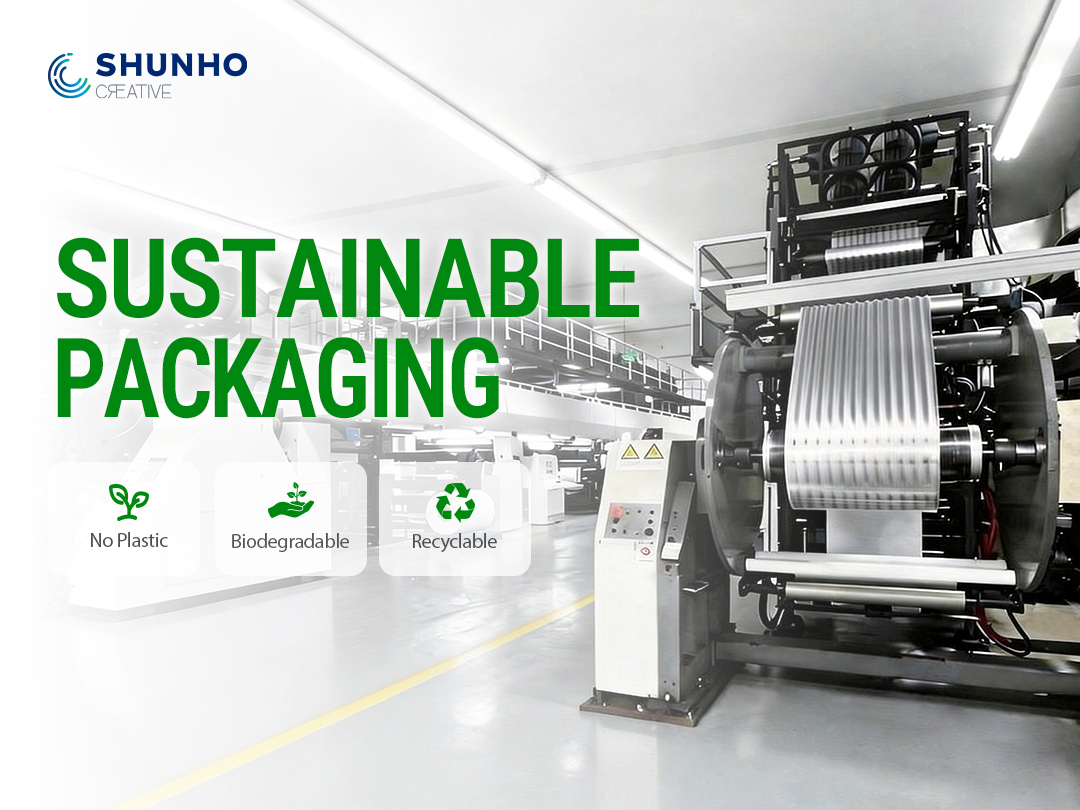
Understanding pricing structures is essential for making informed purchasing decisions. Eco-friendly packaging solutions often come at varying price points based on material, customization, and order volume.
Volume Discounts: Many suppliers offer tiered pricing based on order quantities. When purchasing in bulk, such as Shunho Creative's annual productivity of 200,000 tons, you can benefit from significant reductions in per-unit costs.
Material Selection: The type of eco-friendly material you choose will affect pricing. For example, while laminated papers might be less expensive, TransMet® Silver & Gold Paper / Paperboard, with its specialized production process, may command a higher price due to its advanced barrier properties and recyclability.
Customization Fees: Custom designs or features may incur additional costs. It’s important to communicate your specific needs clearly to get accurate quotes and assess whether the benefits justify the added expense.
Shipping and Handling: Don’t overlook logistics; shipping costs can vary based on the destination and packaging size. Request quotes that include delivery to gauge the total investment accurately.
By understanding these factors, you can better evaluate the total cost of ownership for your eco-friendly packaging solutions.

Finding trustworthy suppliers is crucial for maintaining quality and consistency in your packaging. Here are some strategies to identify reliable partners:
Industry Research: Look for suppliers with a strong track record in eco-friendly materials. Companies like Shunho Creative, which specializes in advanced packaging technologies, are often recognized for their innovation and reliability.
Supplier Certifications: Check if potential suppliers hold relevant certifications that reflect their commitment to quality and sustainability. This could include ISO certifications or specific eco-labels.
Customer Reviews and Case Studies: Explore customer testimonials or case studies that highlight the supplier’s ability to meet delivery timelines, quality standards, and customer service responsiveness.
Networking: Attend industry trade shows or forums to connect with suppliers and gain insights into their products and capabilities. Personal interactions can often reveal more about a company’s reliability than online research alone.
By conducting thorough research and leveraging industry connections, you can identify suppliers who align with your business goals.
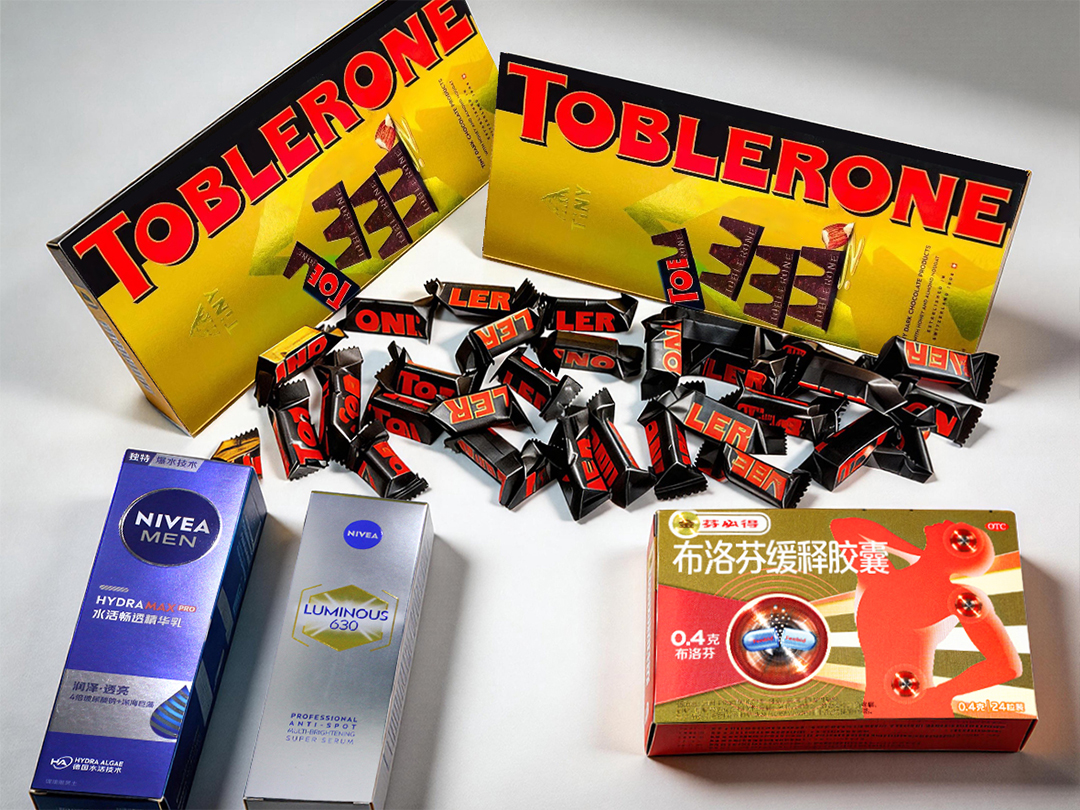
Proper installation and usage of packaging materials are crucial for maximizing their effectiveness. Here are some best practices:
Sample Approval: Before committing to large orders, always request samples. This allows you to assess the material’s performance under actual operating conditions, including compatibility with your filling processes and machinery.
Training: Ensure your team is trained on how to use the packaging materials effectively. This includes understanding how to seal, stack, and store products to prevent damage during transportation and storage.
Quality Control: Implement a quality control process to regularly inspect packaging materials for defects. This could involve visual inspections, functionality tests, and monitoring for consistency in production runs.
Feedback Loops: Establish a system for collecting feedback from your operations team about packaging performance. This can help identify any issues early and inform future procurement decisions.
By following these guidelines, you can optimize the performance of your eco-friendly packaging solutions, ensuring they meet your operational needs.
Support for English, Spanish and Japanese is Rainbow wrapping paper.
More than 20 years of foreign trade experience.Laser paper is produced at a capacity that could reach around Holographic sticker paper tons per year.
Most Silver holographic paper the customers come from the world's best 500 companies
With FSC, REACH, FDA 21 CFR 176.170, ( Holographic check paper) No 10/2011, TUV OK COMPOST HOME, RECYCLABLE, ISO 9001/14001/45001, CNAS, PATENTS and other environmental protection certificates
Eco-friendly packaging solutions are versatile and can be tailored to meet the demands of various sectors. Here are some key applications:
Electronics: The barrier properties of products like TransLens® Paper / Paperboard make them ideal for electronics packaging, protecting sensitive components from moisture and dust.
Cosmetics: In the cosmetics industry, packaging must not only be functional but also aesthetically pleasing. Eco-friendly options can enhance product appeal while aligning with consumer preferences for sustainable choices.
FMCG (Fast-Moving Consumer Goods): With the increasing demand for sustainability, FMCG brands are turning to eco-friendly packaging to minimize their environmental footprint. Materials that are both lightweight and durable can help reduce shipping costs and waste.
Food Packaging: While specific food safety regulations must be followed, eco-friendly materials can be adapted for food packaging, promoting a healthier environment while meeting consumer expectations.
By leveraging the unique properties of eco-friendly packaging, businesses can enhance their product offerings while contributing to sustainability goals across multiple industries.
 EN
 AR
 HR
 CS
 DA
 NL
 FI
 FR
 DE
 EL
 HI
 IT
 JA
 KO
 NO
 PT
 RU
 ES
 TL
 ID
 VI
 HU
 TH
 TR
 MS
 GA
 CY
 MK
 HY
 PL
