When selecting packaging materials for your business, especially eco-friendly options, there are several critical factors to consider. The choice of materials not only impacts the environment but also influences product integrity, brand image, and cost efficiency. This article will help you navigate the selection process by addressing what to consider when choosing eco-friendly packaging materials, evaluating their quality, sourcing reliable suppliers, understanding cost factors, and guiding you on installation for advanced materials, such as those offered by Shunho Creative, a leader in this field. Shunho Creative is a brand of Shanghai Shunho International, a wholly owned subsidiary of Shanghai Shunho New Materials Technology. The brand offers packaging-related products such as whiteboard, laminated paper, and its plastic-free TransMet paper, which is produced using vacuum transfer metallizing, laser writing, and master plate mock-up technology. Shunho Creative promotes sustainable packaging through its “4R1D” principle of Reduce, Reuse, Recycle, Recovery, and Degradable, while its paper products are used in industries such as electronics, liquor, cosmetics, FMCG, pharmaceuticals, toys, and cultural and creative products. The company also maintains dedicated research and testing capabilities and provides custom paper box packaging design support for different customer requirements.
When selecting eco-friendly packaging materials, several key factors should guide your decision:
Material Composition: Look for materials that are recyclable, biodegradable, or made from renewable resources. Shunho Creative’s TransMet paper, for example, is a plastic-free option that features a 30nm aluminum layer, making it both recyclable and degradable
Barrier Properties: Consider the protection requirements for your products. Different materials provide varying levels of moisture, oxygen, and light barriers. The right choice ensures product safety throughout its shelf life, especially in industries like cosmetics and electronics
Compliance and Certifications: Ensure that the materials meet relevant industry standards for safety and environmental impact. Certifications can assure that the materials have been tested and meet specific eco-friendly criteria
Customizability: Depending on your branding needs, the ability to customize the packaging—through design, size, and printing—can be crucial. Verify whether your supplier offers options that align with your brand identity
Cost-Effectiveness: While eco-friendly materials may sometimes have a higher upfront cost, consider the long-term benefits, including brand loyalty and compliance with environmental regulations
By focusing on these aspects, you can better align your packaging choices with your business goals and sustainability initiatives.
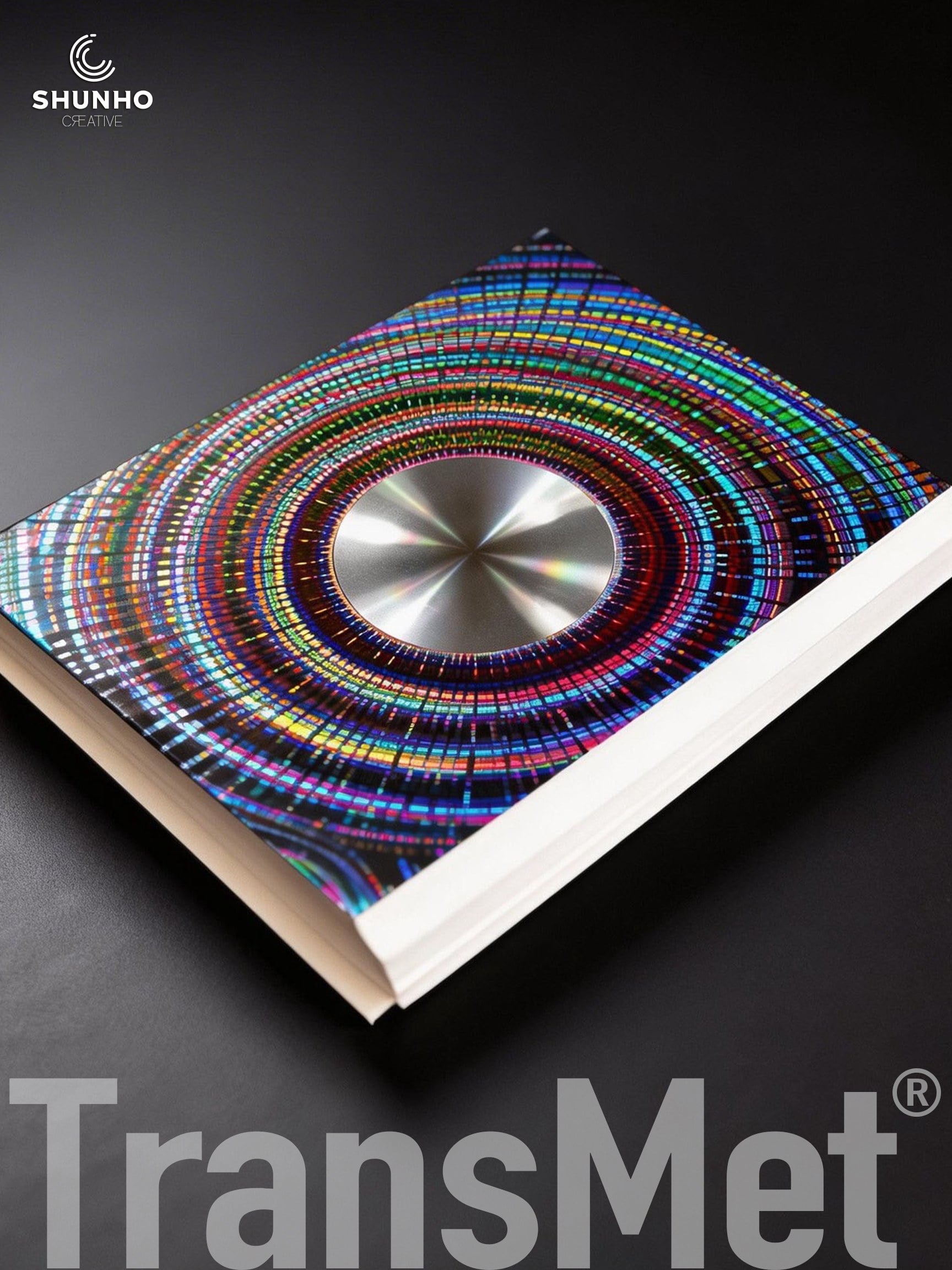
Evaluating the quality of sustainable packaging materials is essential to ensure they meet your operational needs. Here are some critical factors to assess:
Physical Properties: Inspect the material's strength, flexibility, and durability. For example, the tensile strength of a laminated paper can impact its performance during shipping and handling. Request samples to assess how they perform in real-world applications
Production Consistency: Confirm that the supplier has a quality control process that ensures consistent production standards. This may include regular testing of materials to verify their properties and performance
Sample Approval: Before placing a large order, it’s advisable to approve a finished sample. This step allows you to evaluate not just the material but also how it fits with your packaging machinery and meets your performance expectations
Supplier Reputation: Research the supplier’s history and customer feedback. A reliable supplier, such as Shunho Creative, known for its advanced manufacturing capabilities and eco-friendly products, can provide peace of mind regarding product quality and consistency
By conducting thorough evaluations, you can minimize risks associated with material quality and ensure your packaging will perform as needed throughout its lifecycle.
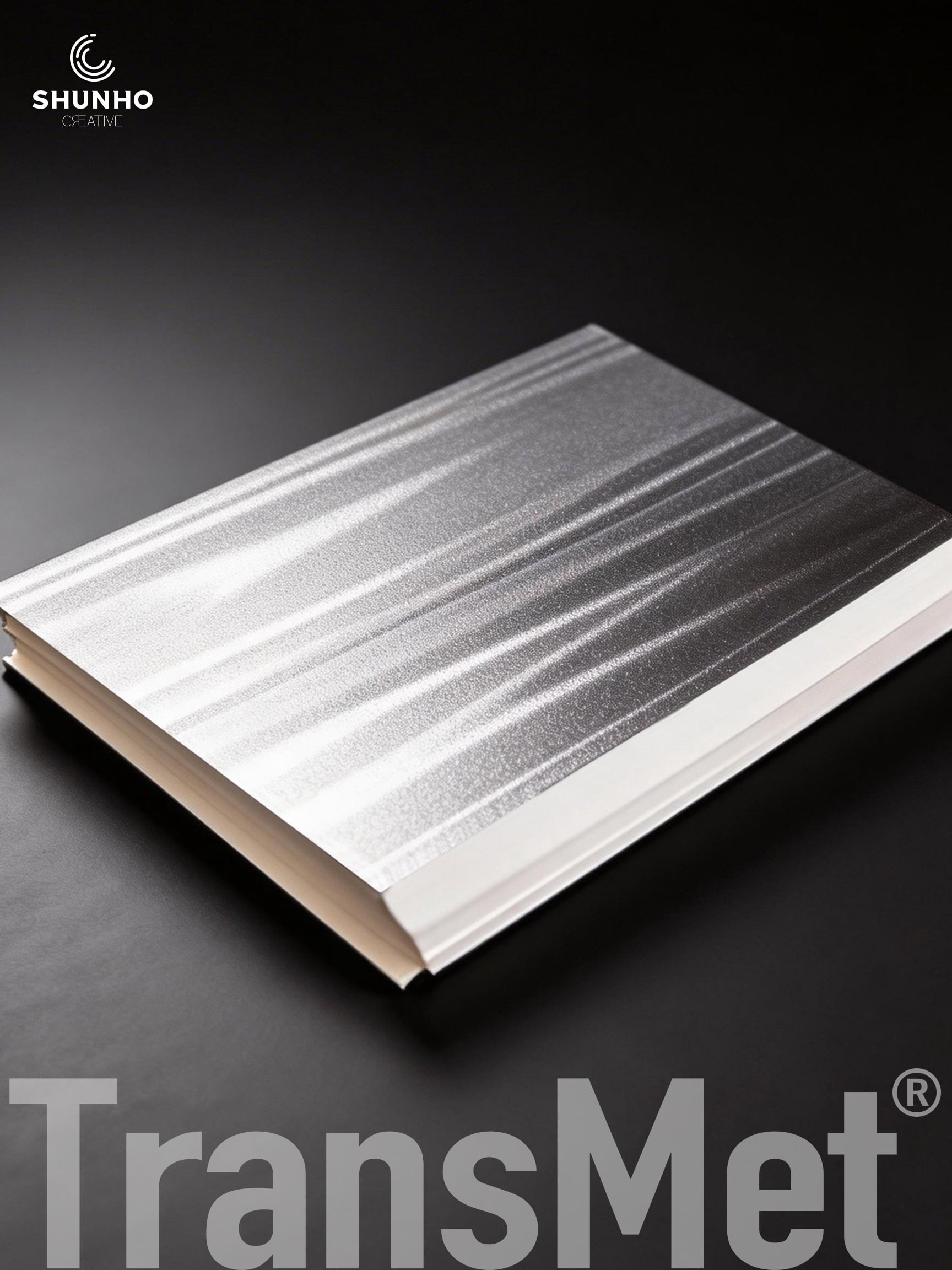
Finding trustworthy suppliers for packaging materials requires a strategic approach. Here are some tips:
Industry Networks: Engage with industry trade shows, conferences, and online forums where packaging professionals gather. These venues often feature suppliers showcasing their latest products and technologies
Online Marketplaces: Utilize B2B platforms that specialize in industrial products. These platforms often feature reviews and ratings that can help you gauge supplier reliability
Direct Outreach: Contact manufacturers directly to inquire about their products, capabilities, and certifications. For instance, Shunho Creative specializes in eco-friendly packaging materials and can provide insights into their production processes and sustainability practices
Referrals and Recommendations: Ask other businesses in your industry for recommendations based on their experiences. A supplier who has successfully met the needs of a similar company can often provide the quality and service you require
By leveraging these strategies, you can identify reliable suppliers who meet your packaging requirements and sustainability goals.
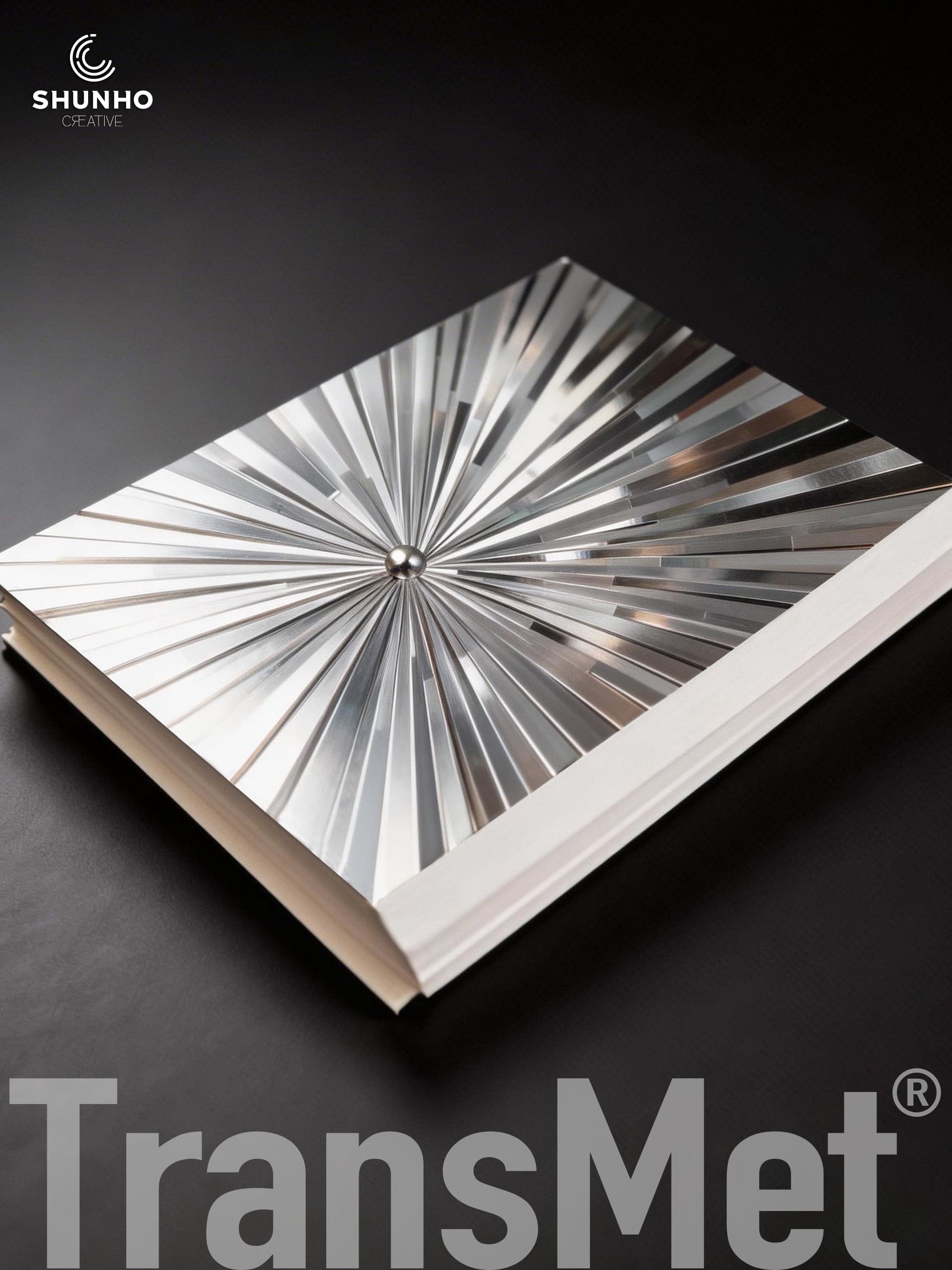
Cost considerations play a pivotal role in the decision-making process for packaging materials. Here are essential factors to keep in mind:
Material Costs: The base cost of eco-friendly materials can vary significantly. For instance, while traditional plastics may be cheaper, sustainable options like Shunho’s TransMet paper may incur higher material costs but offer long-term benefits such as recyclability
Customization and Design: Custom packaging solutions can add to the overall expenditure. Evaluate if the added costs align with your branding strategy and customer expectations
Bulk Pricing and Minimum Order Quantities (MOQ): Suppliers often offer discounts for larger orders. Understanding the MOQ for eco-friendly materials can help you plan your inventory and budgeting effectively
Logistics and Shipping: Factor in shipping costs, especially if sourcing materials from international suppliers. Consider local suppliers to reduce transportation expenses and carbon footprint
Lifecycle Costs: Consider the total cost of ownership, which includes waste disposal, recycling fees, and potential savings from reduced product damage during transit
By thoroughly assessing these cost factors, you can make informed decisions that balance budget constraints with eco-friendly commitments.
With Holographic paper sticker, REACH, FDA 21 CFR 176.170, (EU) No 10/2011, TUV OK COMPOST HOME, RECYCLABLE, ISO 9001/14001/45001, CNAS, PATENTS and other environmental protection certificates
Rainbow wrapping paper majority of customers are from the world's most prestigious 500
Experiential experience in international trade for more than 20 years.The annual capacity of laser-printed paper can Holographic check paper 200 tons.
English, Spanish, Sticker paper holographic, Korean and other languages are supported. Support total solutions from the raw materials to the final product.
Proper installation and handling of advanced packaging materials are crucial to ensure optimal performance. Here are some guidelines to follow:
Compatibility with Equipment: Ensure that the selected packaging materials are compatible with your existing packaging machinery. For instance, Shunho Creative’s materials are designed to integrate smoothly with various sealing and filling machines
Handling Procedures: Develop standard operating procedures for handling and storing packaging materials. This includes maintaining proper humidity and temperature conditions to prevent material degradation
Testing and Validation: Before full-scale production, conduct tests with the new packaging materials in real-world conditions. This may involve running trial batches to assess performance and make necessary adjustments
Training for Staff: Ensure your team is trained on the specific requirements for using new materials. This includes understanding the best practices for sealing, storage, and quality checks
Feedback Loop: Establish a system for collecting feedback on material performance from production staff. This real-time data can help identify any issues early and refine processes accordingly
By following these installation guidelines, you can maximize the effectiveness of your advanced packaging materials and minimize potential disruptions in your operations
Selecting the right packaging materials is a process that requires careful consideration of various factors, from material properties and supplier reliability to cost implications and installation best practices. By leveraging insights from experienced manufacturers like Shunho Creative, you can make informed decisions that align with both your operational needs and sustainability goals.
 EN
 AR
 HR
 CS
 DA
 NL
 FI
 FR
 DE
 EL
 HI
 IT
 JA
 KO
 NO
 PT
 RU
 ES
 TL
 ID
 VI
 HU
 TH
 TR
 MS
 GA
 CY
 MK
 HY
 PL