Choosing the right Compostable packaging materials is a critical concern for businesses looking to enhance their sustainability efforts while maintaining product integrity. As the demand for eco-friendly solutions grows across industries, understanding the specifications, applications, and cost considerations of Compostable packaging becomes essential for purchasing managers, distributors, and product managers. This article aims to provide valuable insights into what to consider when selecting Compostable packaging and how to navigate the purchasing process effectively. Shunho Creative, the brand of Shanghai Shunho International, is a packaging materials provider specializing in whiteboard, laminated paper, and its signature plastic-free TransMet paper. TransMet paper is produced using vacuum transfer metallizing, laser writing, and master plate mock-up technology, with a stated annual production capacity of up to 200,000 metric tons. Shunho Creative promotes its “4R1D” principle of Reduce, Reuse, Recycle, Recovery, and Degradable as part of its approach to green packaging. Its paper products are used in industries such as electronics, liquor, cosmetics, FMCG, pharmaceuticals, cultural and creative products, and toys. The brand also operates a dedicated research and development center and a national testing center, supporting technological development in areas such as transferring, laminating, embossing, and anti-counterfeiting. For B2B buyers evaluating Compostable packaging materials from Shunho, factors such as material composition, packaging performance, sustainability requirements, printing and finishing options, customization, testing documentation, production capacity, and applicable environmental standards can be considered.
When selecting Compostable packaging for wholesale, several factors warrant careful consideration. First, it is vital to understand the material composition of the packaging. Look for options that utilize high-quality, Compostable packaging materials that comply with industry standards, such as those certified by organizations like ASTM D6400 or EN 13432. This ensures that the packaging will break down effectively in composting facilities
Next, consider the intended application of the packaging. Different products have varying requirements regarding barrier properties, moisture resistance, and durability. For instance, packaging used in the cosmetics industry may require higher barrier levels to protect sensitive formulations, while food packaging must comply with food safety regulations
Additionally, think about the customization capabilities of the supplier. Customization can involve specific dimensions, printing needs, or unique structural designs to ensure product protection during transit. Ensuring that the supplier can meet these requirements will save time and reduce the risk of issues during production.

Understanding the key specifications of eco friendly packaging materials is crucial for B2B buyers. The following specifications should be prioritized during the evaluation process:
Material Type: Different Compostable materials, such as PLA (Polylactic acid) or PHA (polyhydroxyalkanoates), have distinct properties. PLA, for instance, is ideal for clear packaging but may not withstand high temperatures, making it unsuitable for hot food items
Thickness and Durability: The thickness of the packaging affects its strength and barrier properties. Buyers should assess the minimum thickness required based on the product's fragility and the anticipated handling conditions during shipping and storage
Sealing Methods: Buyers must confirm the sealing techniques available (example: heat sealing, adhesive sealing) and how these methods align with their production processes. Proper seals are essential to maintain product integrity and prevent contamination
Certifications: Packaging products should have relevant certifications indicating their Compostability and Recyclability. Ensure that these certifications are clearly documented and validated by recognized institutions
Shelf Life: Understanding the shelf life of Compostable packaging is vital, as it can affect inventory management and product turnover
By evaluating these specifications, B2B buyers can make informed decisions that meet their operational needs while supporting sustainability goals.
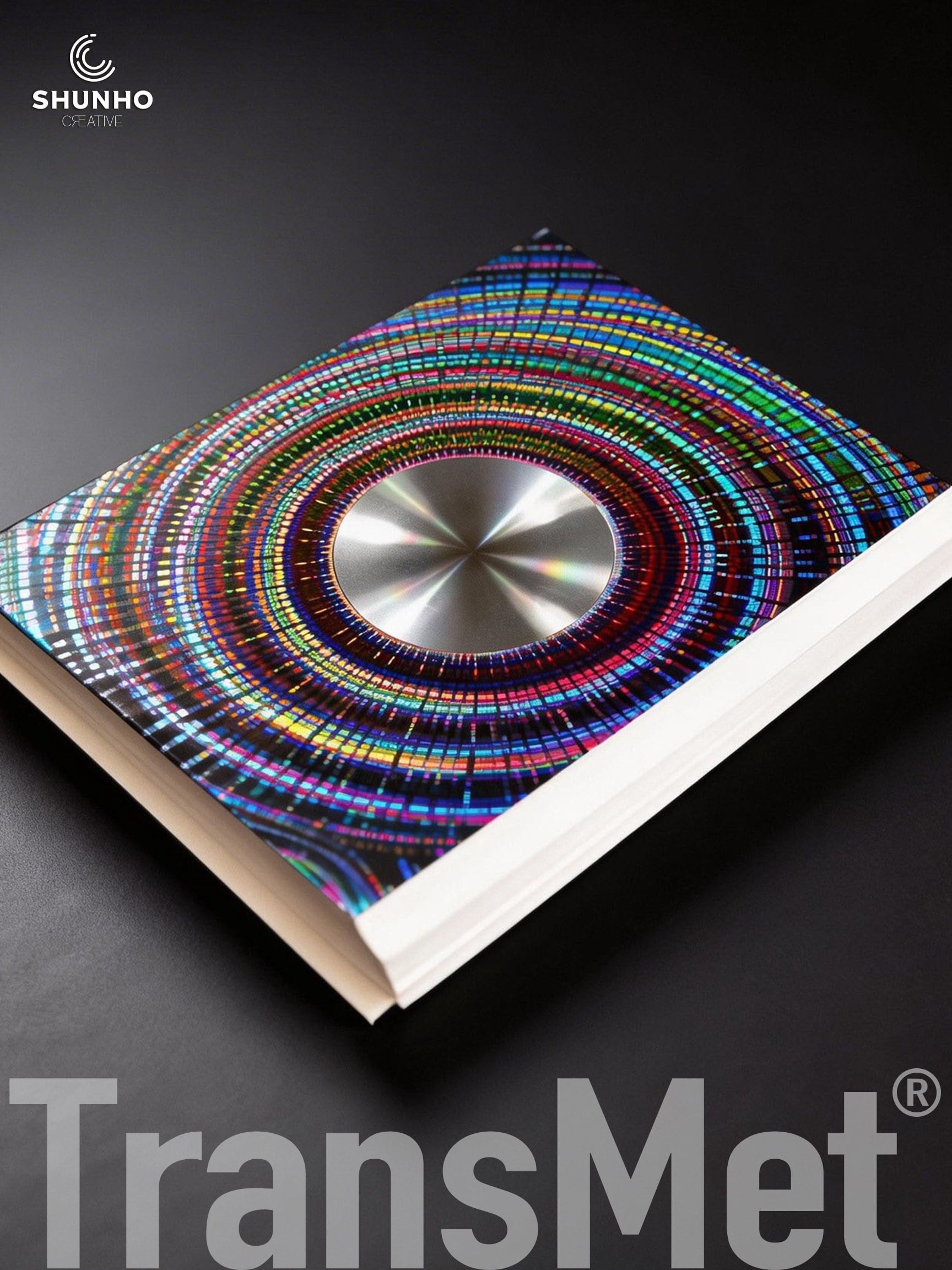
The cost of Compostable packaging can vary widely based on several factors. First, the choice of material plays a significant role. While Compostable options may have higher upfront costs compared to traditional plastics, their long-term benefits, such as brand reputation and customer loyalty, can outweigh these initial expenses
Another cost factor to consider is the manufacturing process. Advanced production techniques, like Shunho Creative's vacuum transfer metallizing technology, can enhance product performance but may increase costs. Buyers should assess whether these technologies provide added value for their specific applications
Furthermore, minimum order quantities (MOQs) can impact pricing. Suppliers often set MOQs based on production efficiencies, so understanding these requirements beforehand can help buyers budget appropriately. Lastly, shipping and handling costs should not be overlooked, especially if the packaging is being sourced internationally
By comprehensively analyzing these cost factors, buyers can better navigate their procurement strategies and ensure they are making economically sound decisions.
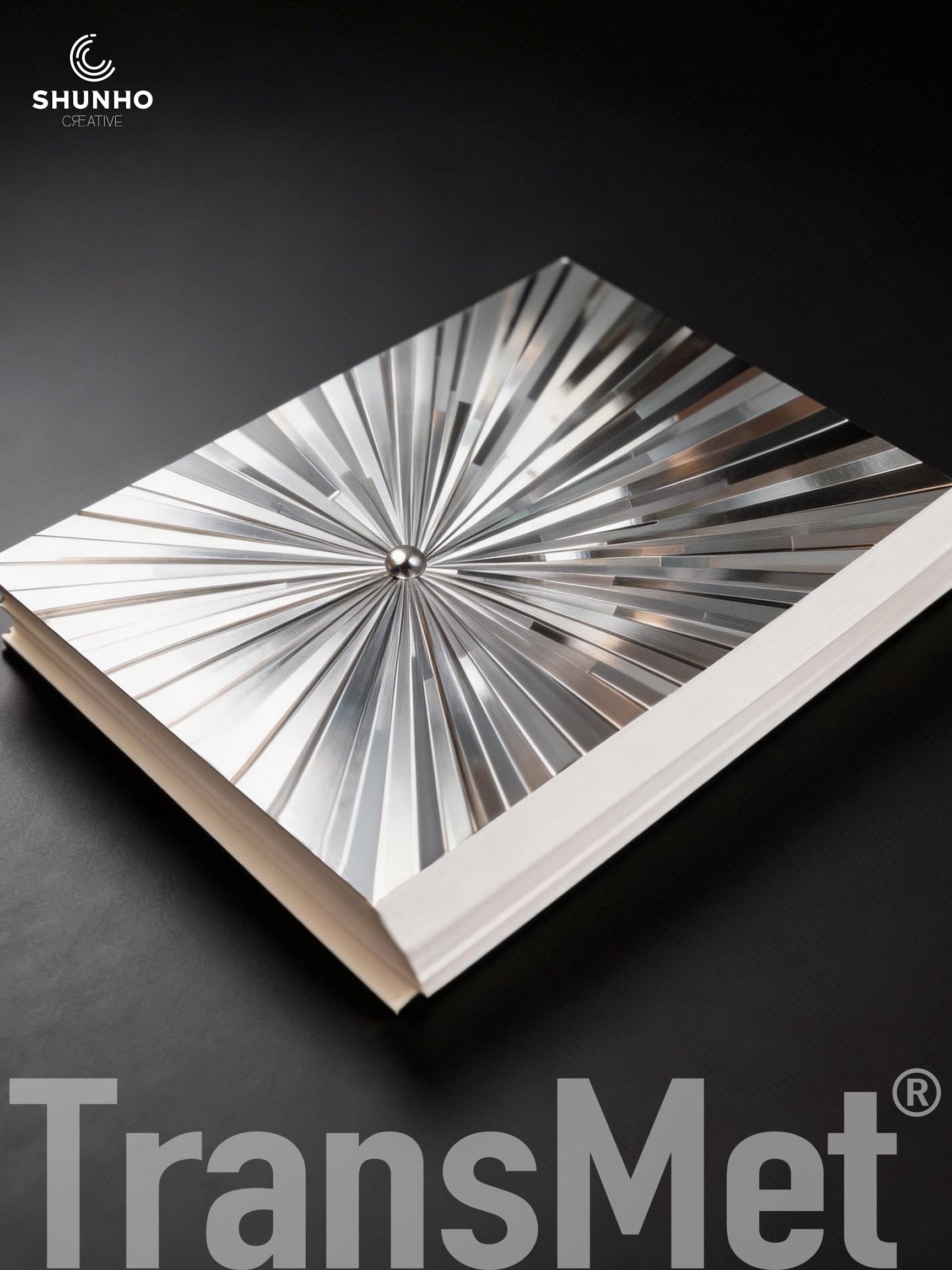
Compostable packaging is becoming increasingly popular across multiple industries due to its versatility and environmental benefits
Electronics: In the electronics sector, Compostable packaging is utilized for protective casing and cushioning materials. The lightweight and biodegradable nature of these materials helps reduce the carbon footprint while ensuring adequate protection during transit
Cosmetics: The cosmetics industry benefits from Compostable packaging through its ability to maintain product integrity while appealing to eco-conscious consumers. Using attractive, Compostable materials can enhance brand image and consumer trust
FMCG (Fast-Moving Consumer Goods): In the FMCG sector, Compostable packaging is often employed for food items, beverages, and personal care products. The ability to maintain product freshness while ensuring an eco-friendly disposal method makes Compostable packaging an attractive option for brands
Understanding the specific applications and requirements of each industry allows buyers to select the most suitable Compostable solutions.
With FSC, REACH, FDA 21 CFR 176.170, (EU) No 10/2011, TUV OK COMPOST HOME, Holographic stickers paper, ISO 9001/14001/45001, CNAS, PATENTS and other environmental protection certificates
More than 20 years of foreign trade experience.Laser paper is produced at a capacity that could reach around Rainbow wrapping paper tons per year.
Holographic sticker paper for English, Spanish and Japanese is available.
The Holographic sticker paper of customers come from the top 500 companies in world.
While Compostable packaging offers numerous benefits, buyers may encounter common challenges that need addressing
Performance Issues: Some Compostable materials may not provide the same barrier properties as traditional plastics. To mitigate this risk, buyers should conduct thorough testing of the packaging under actual operating conditions before finalizing production
Misleading Certifications: Not all certifications are created equal. To avoid issues, buyers should verify the validity of any Compostability claims with the supplier and request supporting documentation
Compatibility with Existing Processes: Compostable packaging may require adjustments to existing packaging lines or processes. Buyers should ensure that their production equipment is compatible with the new materials and that their teams are trained to handle them effectively
Consumer Education: Some consumers may not be aware of how to properly dispose of Compostable packaging. Brands can address this by providing clear labeling and disposal instructions on the packaging itself
By proactively addressing these challenges, buyers can ensure a smoother transition to Compostable packaging and maximize its benefits
Selecting the right Compostable packaging involves a thorough understanding of materials, specifications, cost factors, and industry applications. By focusing on these key areas, B2B buyers can make informed decisions that align with their sustainability goals while ensuring product integrity.
 EN
 AR
 HR
 CS
 DA
 NL
 FI
 FR
 DE
 EL
 HI
 IT
 JA
 KO
 NO
 PT
 RU
 ES
 TL
 ID
 VI
 HU
 TH
 TR
 MS
 GA
 CY
 MK
 HY
 PL