In the cosmetic industry, effective makeup packaging is essential for product protection, brand representation, and consumer appeal. As manufacturers increasingly prioritize sustainability, eco-friendly makeup packaging solutions, such as those offered by Shunho Creative, are gaining traction. This article delves into the key specifications, cost factors, installation guidance, common problems, and the innovative applications of eco-friendly makeup packaging, providing essential insights for purchasing managers, product managers, and other B2B buyers in the cosmetics sector.
When selecting makeup packaging, several specifications must be evaluated to ensure that the packaging meets both functional and aesthetic requirements. Key considerations include:
Material Selection: Choosing the right material is crucial. Eco-friendly options like Shunho’s TransHolo® Paper offer a plastic-free solution with a 30nm aluminum layer, ensuring both barrier protection and recyclability. Understanding the material’s compatibility with the product, such as resistance to moisture and chemical exposure, is vital.
Dimensions and Design: The packaging's dimensions should align with the product's size and shape. This ensures a snug fit, minimizing movement during shipping, which can lead to damage. Additionally, the design should facilitate user interaction, such as ease of opening and dispensing.
Sealing and Closure Mechanisms: The method of sealing impacts the product’s shelf life and security. Common sealing methods include heat sealing and adhesive, each varying in effectiveness depending on the product type. Buyers should evaluate the sealing method based on the expected shelf life and handling during distribution.
Customization Capabilities: Customized packaging solutions can enhance branding and consumer recognition. Buyers should assess suppliers’ capabilities for printing, embossing, or adding unique features that differentiate products in a competitive market.

Cost is a significant consideration in makeup packaging procurement. Several factors influence pricing:
Material Costs: The choice of eco-friendly materials often comes with a premium compared to traditional plastic options. However, the long-term benefits, including brand loyalty and consumer preference for sustainable options, can justify the initial investment.
Production Volume: Economies of scale play a role in pricing. Higher order quantities typically reduce the unit price. Buyers should communicate estimated order volumes to suppliers to obtain accurate quotations.
Customization and Design Complexity: Customized designs may incur additional costs for tooling and production setup. Buyers should weigh the benefits of unique packaging against the added costs.
Logistics and Shipping: Packaging weight and dimensions can affect shipping costs. Eco-friendly materials may offer lighter options, potentially lowering overall shipping expenses.
Quality Control and Testing: Implementing rigorous quality control processes can add to upfront costs but is essential for ensuring that the final product meets specifications and consumer expectations.

Proper installation and usage of makeup packaging materials are crucial for maximizing their effectiveness. Here are key guidelines:
Pre-Production Sample Approval: Before mass production, it is essential to approve a finished sample. This step allows buyers to confirm dimensions, fit, and surface appearance, ensuring that the packaging meets their expectations.
Storage and Handling: Eco-friendly materials should be stored in a controlled environment to prevent moisture absorption or degradation. Proper handling during the packaging process is crucial to maintain the integrity of the materials.
Machine Compatibility: Buyers should ensure that their production machinery is compatible with the selected packaging materials. Testing the materials on existing equipment can help identify potential issues before full-scale production begins.
Training for Staff: Providing training for staff involved in the assembly and packaging process can improve efficiency and reduce errors, enhancing the overall quality of the product.
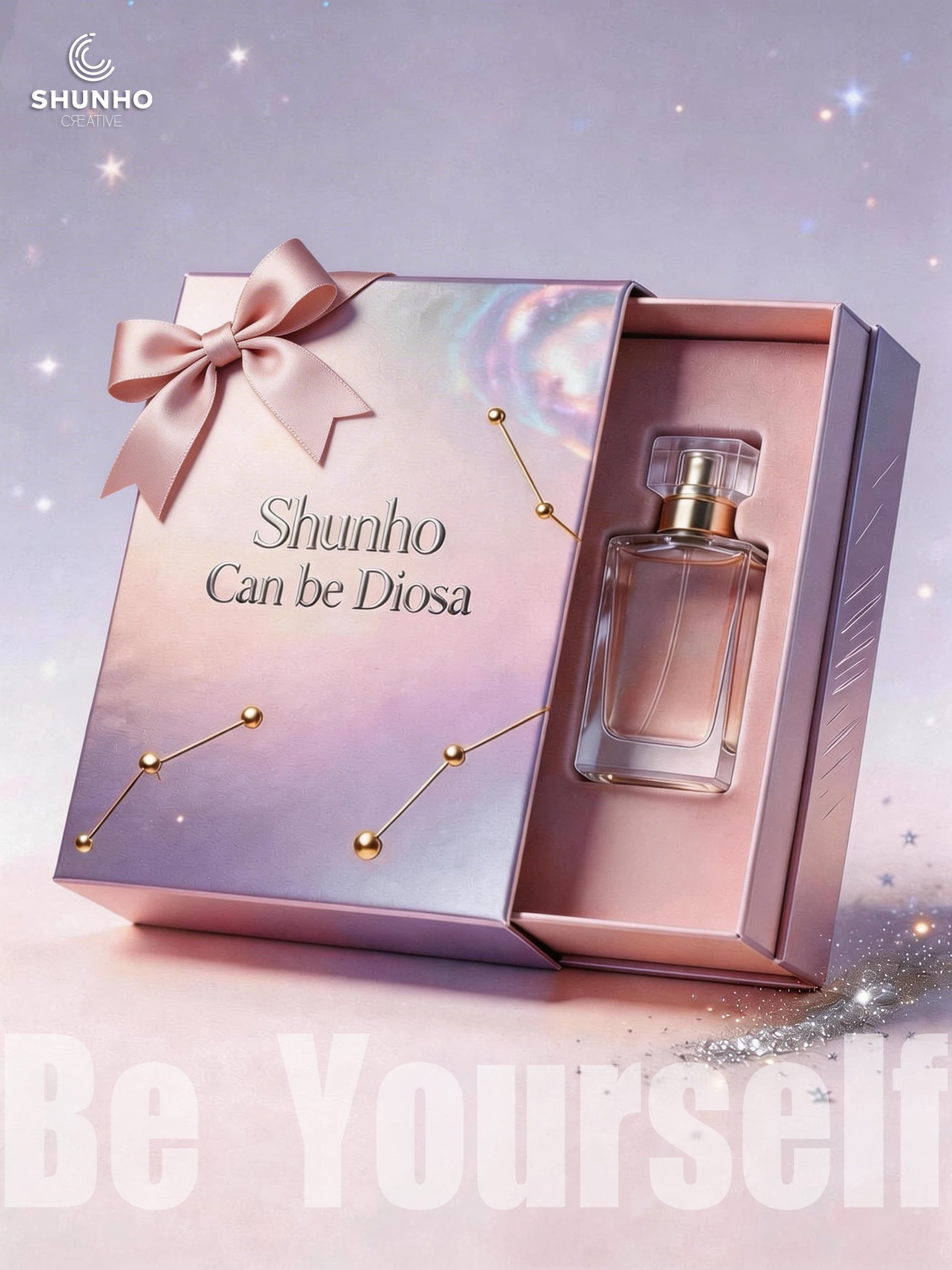
Despite advancements in packaging technology, several common issues can arise:
Seal Integrity Failures: Poor sealing can lead to product contamination. To mitigate this risk, buyers should verify the sealing techniques used by the supplier and consider conducting performance tests under actual conditions.
Material Compatibility Issues: Some materials may react negatively with the cosmetic formulation, affecting product quality. Buyers should perform compatibility tests during the sampling phase to ensure no adverse reactions occur.
Inadequate Barrier Properties: Insufficient barrier properties can lead to product degradation. Buyers should assess the barrier levels required for their specific formulations and select packaging that meets these needs.
Aesthetic Damage During Shipping: Packaging that does not adequately protect the product can lead to aesthetic damage. Buyers can address this by choosing materials with shock-absorbing properties and investing in robust packaging designs.
Consumer Experience Challenges: Packaging that is difficult to open can frustrate consumers. Buyers should seek feedback on packaging usability during the testing phase to refine the design.
Sticker paper holographic 20 years of foreign trade experience.Laser paper is produced at a capacity that can reach around 200,000 tons annually.
Most Rainbow paper the customers come from the world's best 500 companies
Holographic paper for English, Spanish and Japanese is available.
Holographic sticker paper FSC, REACH, FDA 21 CFR 176.170, (EU) No 10/2011, TUV OK COMPOST HOME, RECYCLABLE, ISO 9001/14001/45001, CNAS, PATENTS and other environmental protection certificates
Eco-friendly makeup packaging solutions have diverse applications within the cosmetics industry:
Sustainable Branding: Brands that utilize eco-friendly packaging can enhance their market appeal, particularly among environmentally conscious consumers. Shunho’s TransMet® Silver & Gold Paper enables brands to market their products as sustainable without compromising on quality or aesthetics.
Product Protection: Eco-friendly materials can provide effective barriers against moisture and light, extending the shelf life of cosmetic products. This is crucial for items like foundations or creams that are sensitive to environmental factors.
Recyclability and Degradability: With increasing regulations focusing on sustainability, using recyclable and degradable packaging materials can help brands comply with environmental standards while appealing to a broader customer base.
Innovative Designs: Eco-friendly packaging often allows for creative designs that can enhance product visibility on shelves. Brands can explore unique shapes and finishes that stand out while staying true to their sustainability goals.
Consumer Education: Brands can use packaging as a tool for educating consumers about sustainability practices. Clear labeling regarding recyclability can encourage responsible disposal, strengthening the brand-consumer relationship.
understanding the intricacies of makeup packaging—from specifications to cost factors and common challenges—is essential for B2B buyers in the cosmetics industry. By focusing on eco-friendly solutions like those offered by Shunho Creative, brands can not only elevate their product offerings but also contribute to a more sustainable future.
 EN
 AR
 HR
 CS
 DA
 NL
 FI
 FR
 DE
 EL
 HI
 IT
 JA
 KO
 NO
 PT
 RU
 ES
 TL
 ID
 VI
 HU
 TH
 TR
 MS
 GA
 CY
 MK
 HY
 PL
