Holographic prints have gained significant traction in various industries, serving as eye-catching packaging solutions that enhance product visibility and appeal. In the context of eco-friendly packaging, these prints are particularly valuable for businesses looking to elevate their branding while adhering to sustainability principles. This article will delve into the specifications that define holographic prints, sourcing options for bulk orders, essential considerations when selecting these prints, expert installation guidance, and vital factors for distributors and contractors. Understanding these aspects will help B2B buyers make informed decisions that align with their operational needs and sustainability goals.
Holographic prints are created by applying a reflective layer—often aluminum—onto a substrate, resulting in a visually striking three-dimensional effect. The specifications of these prints include thickness, material composition, and finish, which significantly influence their application and performance.
Thickness: The thickness of the holographic layer affects durability and visual impact. A typical thickness for holographic prints ranges from 30 to 50 micrometers, with a 30nm aluminum layer being a common choice for manufacturers like Shunho Creative. This thickness ensures that the prints are both lightweight and robust, suitable for packaging in industries such as cosmetics and electronics.
Material Composition: Holographic prints can be produced on various substrates, including paper and film. Using eco-friendly materials, like Shunho's TransHolo® Paper, not only enhances the product's sustainability but also allows for better recyclability and degradability. This is crucial for brands looking to minimize their environmental footprint.
Finish: The finish of the print—matte, gloss, or satin—affects its appearance and tactile feel. A glossy finish may enhance vibrancy, while a matte finish could provide a more sophisticated look. The choice of finish should align with the branding strategy of the product.
Understanding these specifications can help buyers evaluate the suitability of holographic prints for their packaging needs, ensuring both aesthetic appeal and functional performance.
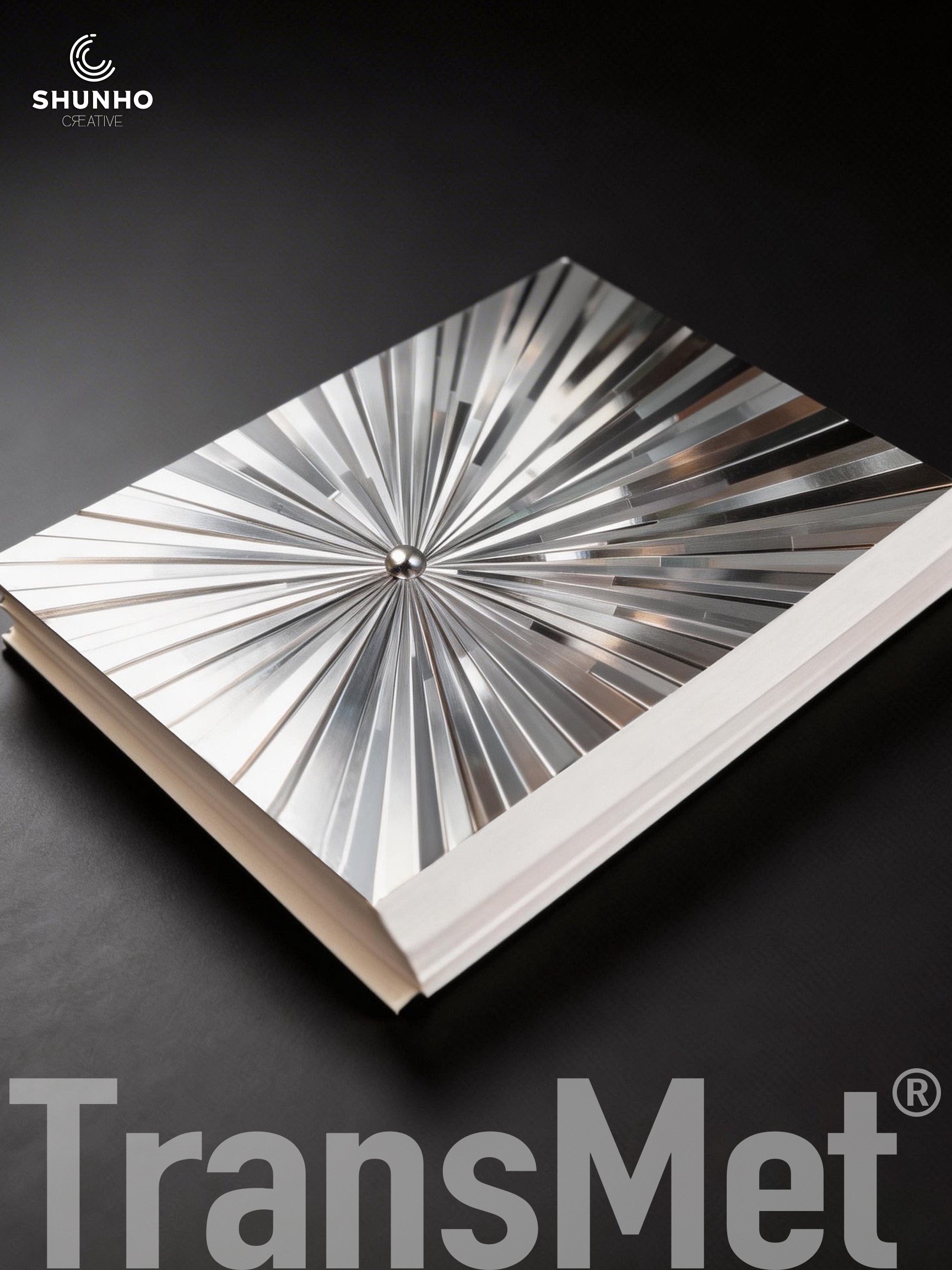
When sourcing holographic prints, particularly for large-scale production, it is essential to consider bulk order options that align with your operational capacity and budget. Suppliers like Shunho Creative offer competitive pricing for bulk orders, allowing businesses to optimize their packaging costs.
Minimum Order Quantity (MOQ): Many manufacturers set an MOQ for holographic prints, which can vary depending on the complexity of the design and the materials used. Buyers should clarify these requirements to avoid unexpected costs.
Lead Time: The lead time for bulk orders can range from a few weeks to several months, depending on the complexity of the print and the supplier's production capabilities. It is advisable to inquire about lead times during the initial stages of supplier discussions to ensure timely delivery.
Customization Options: Customization is a significant factor when ordering holographic prints. Buyers should evaluate suppliers based on their ability to accommodate specific design requests, including unique patterns, colors, and sizes. Discussing artwork specifications upfront can streamline the ordering process.
By understanding sourcing options and evaluating suppliers based on their capabilities, B2B buyers can secure favorable terms and ensure that their packaging meets both aesthetic and functional requirements.
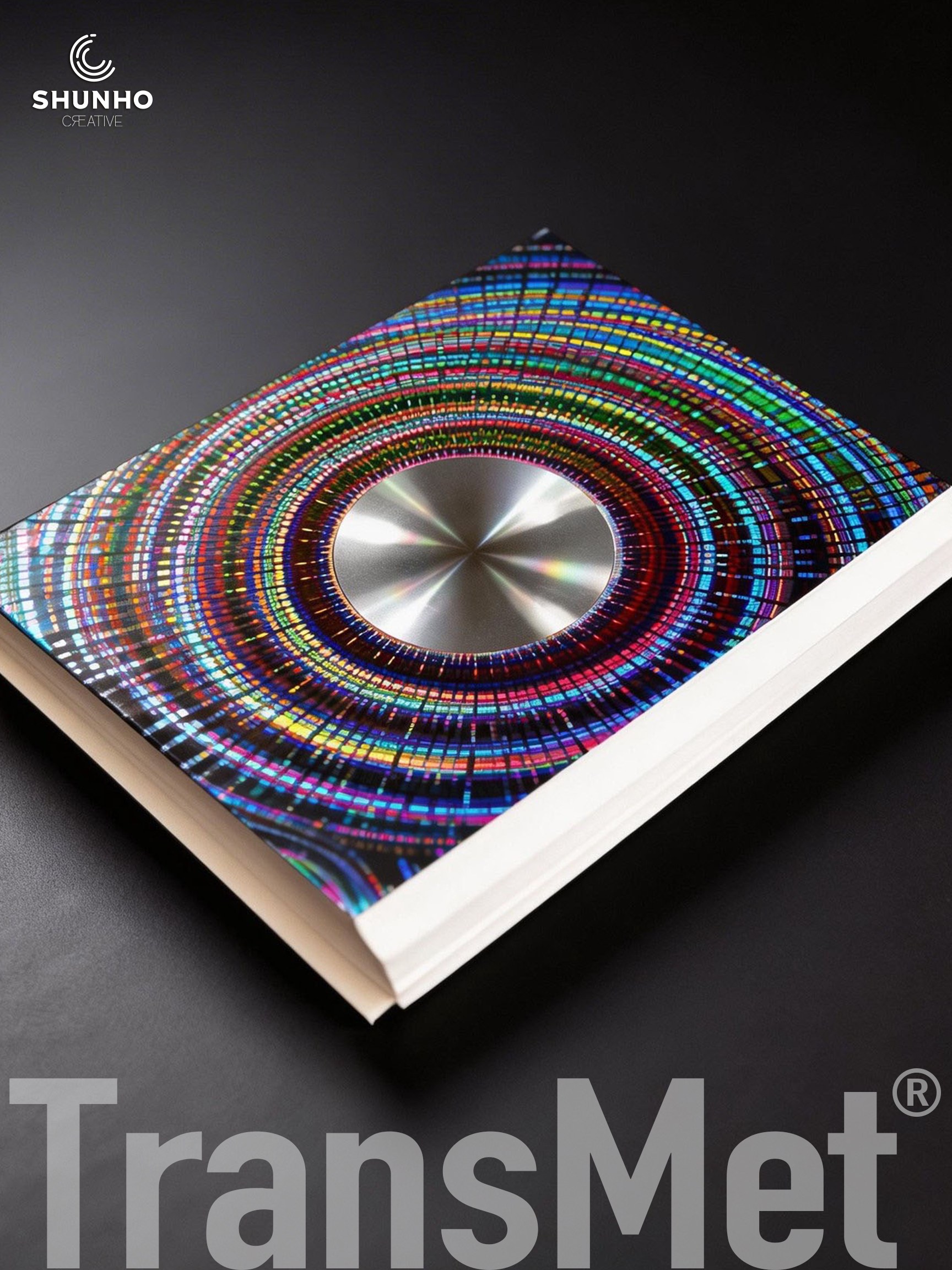
Selecting the right holographic prints involves several critical considerations to ensure optimal performance and alignment with brand values.
Visual Quality: The clarity and vibrancy of holographic prints can significantly impact product perception. Buyers should request samples to assess print quality, ensuring that the holographic effect meets their expectations.
Durability: Holographic prints should withstand various environmental conditions, including moisture and UV exposure. Buyers should inquire about the durability characteristics of the materials used, especially for products intended for outdoor use or those exposed to varying temperatures.
Sustainability: As eco-consciousness grows among consumers, the sustainability of packaging materials is increasingly important. Buyers should prioritize suppliers that offer recyclable and biodegradable options, such as Shunho's TransMet® Silver & Gold Paper, which aligns with corporate sustainability goals.
Adhesion and Compatibility: The adhesion properties of holographic prints must be compatible with the intended substrate. This ensures that the print remains intact throughout the product's lifecycle, reducing the risk of peeling or fading.
By carefully evaluating these factors, buyers can choose holographic prints that not only enhance product appeal but also align with their brand's values and operational needs.
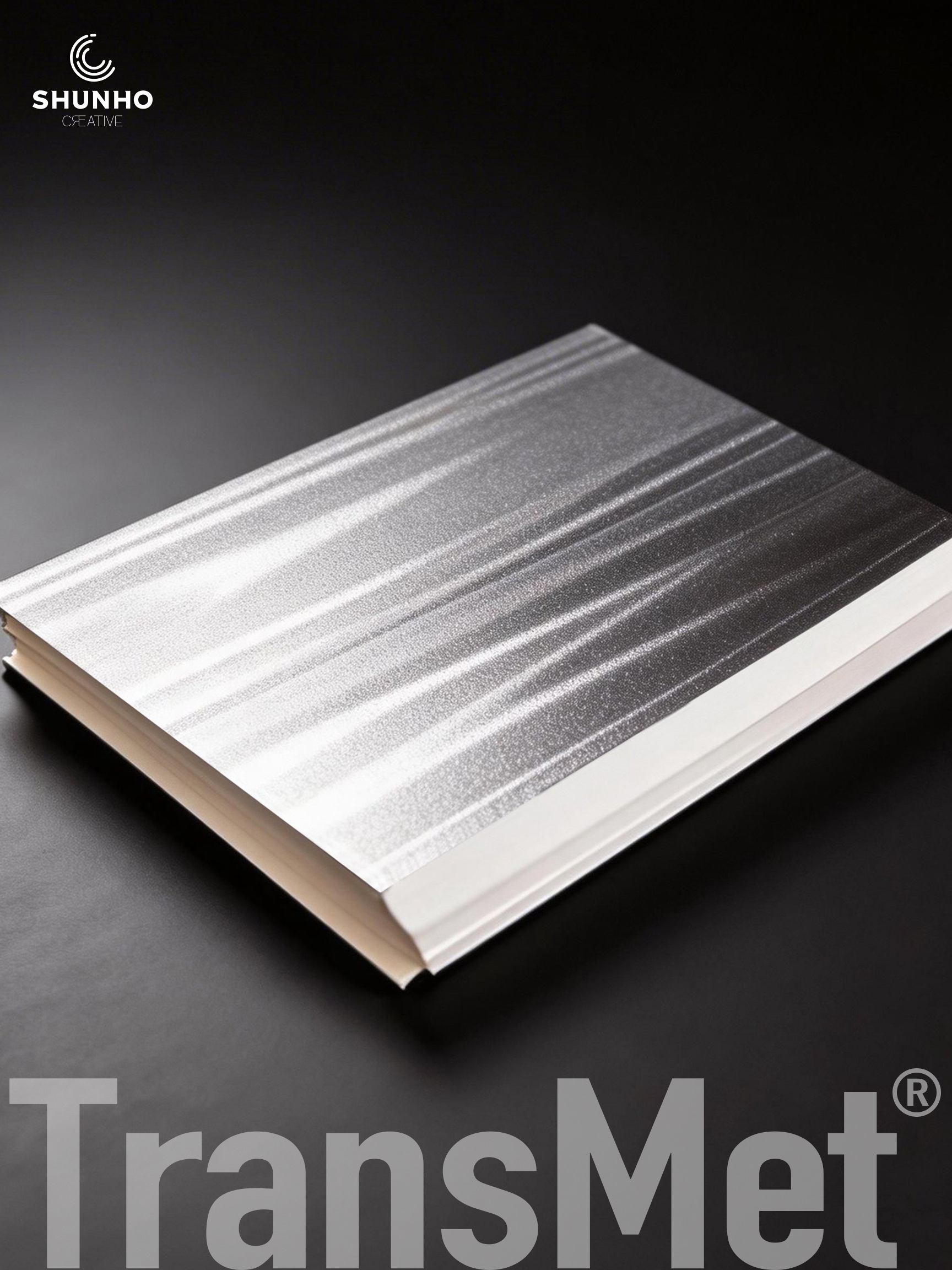
Proper installation of holographic prints is crucial for achieving the desired visual effect and ensuring product integrity. Here are some expert guidelines to follow:
Surface Preparation: Ensure that the surface where the holographic print will be applied is clean, dry, and free from contaminants. Dust or oils can affect adhesion and the overall appearance of the print.
Temperature Control: Installation should be carried out in a controlled environment where temperature and humidity levels are optimal. Extreme conditions can lead to print distortion or adhesion failure.
Application Technique: Depending on the print's application method—whether via direct application, lamination, or as part of a packaging process—specific techniques should be employed. For laminated prints, ensure that the lamination is applied smoothly and without bubbles to maintain the print's quality.
Quality Check: Post-installation, conduct a thorough quality check to ensure that the prints are correctly aligned and free from defects. This step is crucial for maintaining brand integrity and customer satisfaction.
By adhering to these installation guidelines, businesses can maximize the visual impact of holographic prints and ensure their longevity in the market.
Most Sticker paper holographic the customers come from the world's best 500 companies
With FSC, REACH, FDA 21 CFR 176.170, (EU) No 10/2011, TUV OK Holographic paper, RECYCLABLE, ISO 9001/14001/45001, CNAS, PATENTS and other environmental protection certificates
Holographic paper for English, Spanish and Japanese is available.
Experiential experience in international trade for more than 20 years.The annual capacity of laser-printed paper can Holographic check paper 200 tons.
Distributors and contractors play a pivotal role in the supply chain for holographic prints, and understanding the relevant factors can enhance operational efficiency.
Inventory Management: Maintaining optimal inventory levels of holographic prints is essential for meeting customer demand without overstocking. Distributors should implement inventory management systems that allow for real-time tracking and forecasting.
Supplier Relationships: Establishing strong relationships with reliable suppliers can lead to better pricing, priority service, and access to exclusive products. Regular communication and feedback can help strengthen these partnerships.
Regulatory Compliance: Distributors should ensure that the materials used in holographic prints comply with relevant industry regulations, particularly for sectors like cosmetics and food packaging. This adherence not only protects the business but also builds trust with clients.
Training and Support: Contractors should invest in training for their teams on the proper handling and installation of holographic prints. This can reduce errors and improve overall quality, leading to greater customer satisfaction.
By focusing on these factors, distributors and contractors can enhance their service offerings and ensure that they meet the diverse needs of their clients in the B2B market.
 EN
 AR
 HR
 CS
 DA
 NL
 FI
 FR
 DE
 EL
 HI
 IT
 JA
 KO
 NO
 PT
 RU
 ES
 TL
 ID
 VI
 HU
 TH
 TR
 MS
 GA
 CY
 MK
 HY
 PL
