Holographic printer paper is an innovative material that combines visual appeal with practical functionality, making it an excellent choice for businesses in various industries. As buyers look to source this unique product, they may have concerns regarding quality, specifications, and potential applications. This article will provide insights into key specifications to consider, tips for evaluating quality, sourcing suppliers, and common installation challenges, all of which will help you make an informed purchasing decision.
When sourcing holographic printer paper, several specifications should be taken into account to ensure that the product meets your requirements. These include:
Material Composition: Holographic paper is often made from a combination of high-quality paper substrates and a reflective layer, typically aluminum or another metal. Understanding the material composition is crucial as it affects both durability and visual appeal.
Thickness: The thickness of holographic paper can influence its printability and application. A thicker paper may be more durable but could also require specific printer settings for optimal results. Conversely, thinner papers may be more flexible but less resilient.
Surface Finish: The finish of the holographic paper affects its visual characteristics and print surface. Options may include gloss, matte, or satin, each of which has its aesthetic and functional implications.
Compatibility: Ensure that the holographic paper is compatible with your printing technology, whether it be inkjet, laser, or digital printing. Compatibility will affect not just print quality but also the longevity of the print.
Recyclability: As an eco-conscious manufacturer, it's beneficial to select holographic paper that is recyclable or made from sustainable materials, aligning with your company's environmental goals.
By confirming these specifications with potential suppliers, you can ensure the holographic stickers paper will meet your intended use and performance criteria.
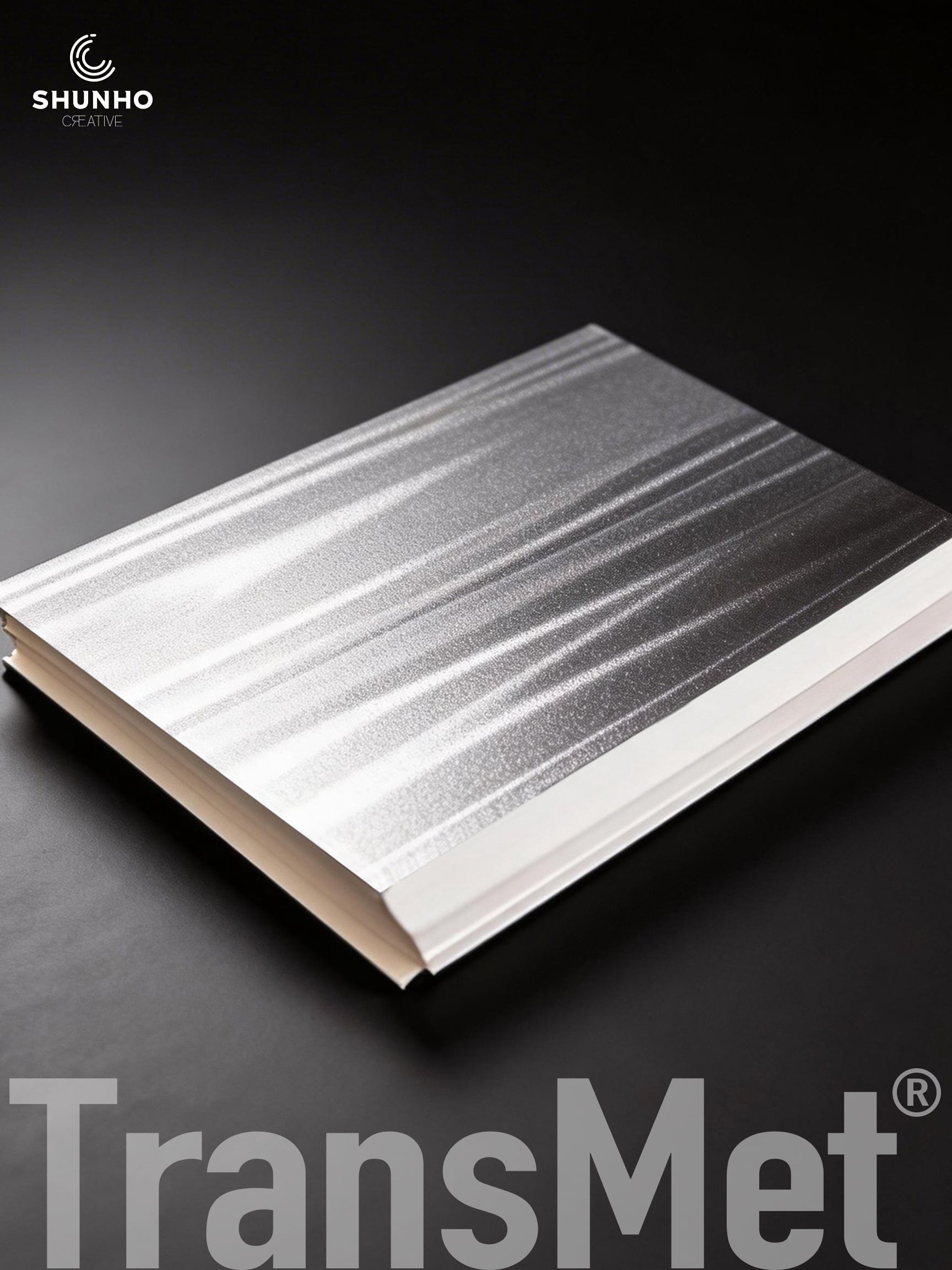
Quality evaluation of holographic printer paper is essential, especially for bulk orders. Here are some practical steps to assess quality before committing to a purchase:
Request Samples: Before placing a bulk order, always request samples of the holographic paper. This allows you to examine the material's thickness, finish, and print compatibility firsthand. Testing these samples with your printing equipment will provide insight into print quality and performance.
Inspect Visual Characteristics: Evaluate the holographic effect and ensure it meets your visual expectations. Look for uniformity in the holographic patterns and any defects such as scratches or inconsistencies.
Review Manufacturing Processes: Understanding the manufacturing processes used to produce the silver holographic paper can reveal a lot about its quality. Inquire about the technology and methods employed by the supplier, as advanced techniques often yield superior results.
Check Certifications: Verify if the holographic paper has any relevant certifications, such as those related to sustainability or quality assurance. Certifications can serve as a benchmark for the product's reliability and environmental impact.
Feedback from Other Buyers: Seek out reviews or testimonials from other businesses that have purchased the same holographic paper. Their experiences can provide valuable insights into the product’s quality and supplier reliability.
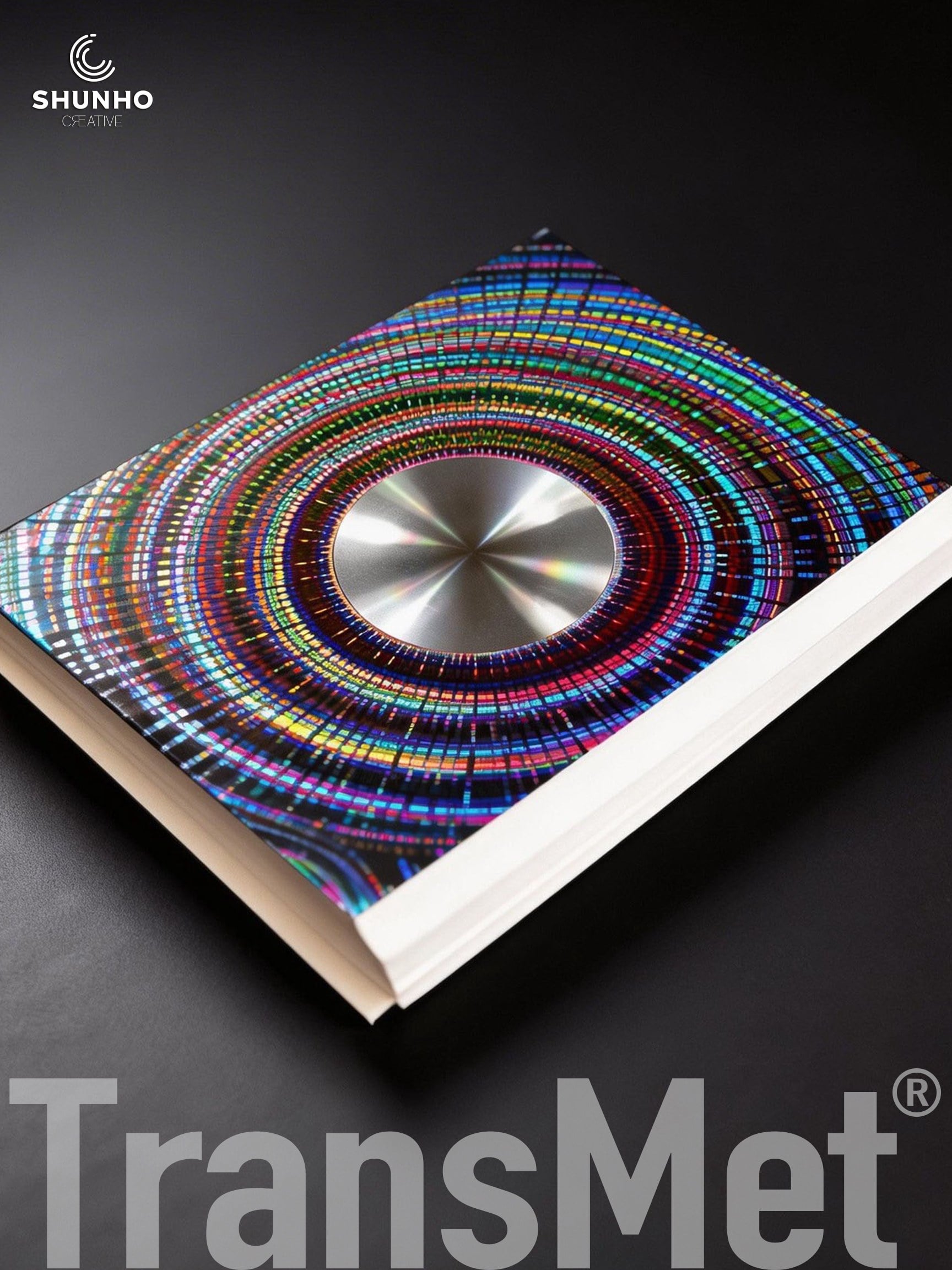
Finding a reliable supplier for Shunho holographic printer paper is crucial for ensuring consistent quality and service. Here are some strategies to identify trustworthy suppliers:
Industry Directories: Utilize industry-specific directories that list manufacturers and suppliers of packaging materials. These directories often include reviews and ratings that can help you assess supplier credibility.
Trade Shows and Exhibitions: Attend trade shows focused on packaging and printing technologies. These events provide an opportunity to meet suppliers, view samples, and ask questions about their products and capabilities.
Online Marketplaces: Explore B2B marketplaces that specialize in industrial supplies. These platforms usually have user reviews and ratings, which can help gauge supplier reliability.
Networking: Leverage your professional network to get recommendations for suppliers. Engaging with industry peers can lead to valuable insights and direct referrals to reputable suppliers.
Evaluate Supplier Capabilities: When considering potential suppliers, assess their production capacity, customization options, and quality control processes. A supplier with robust capabilities is more likely to fulfill your orders consistently and meet specific requirements.
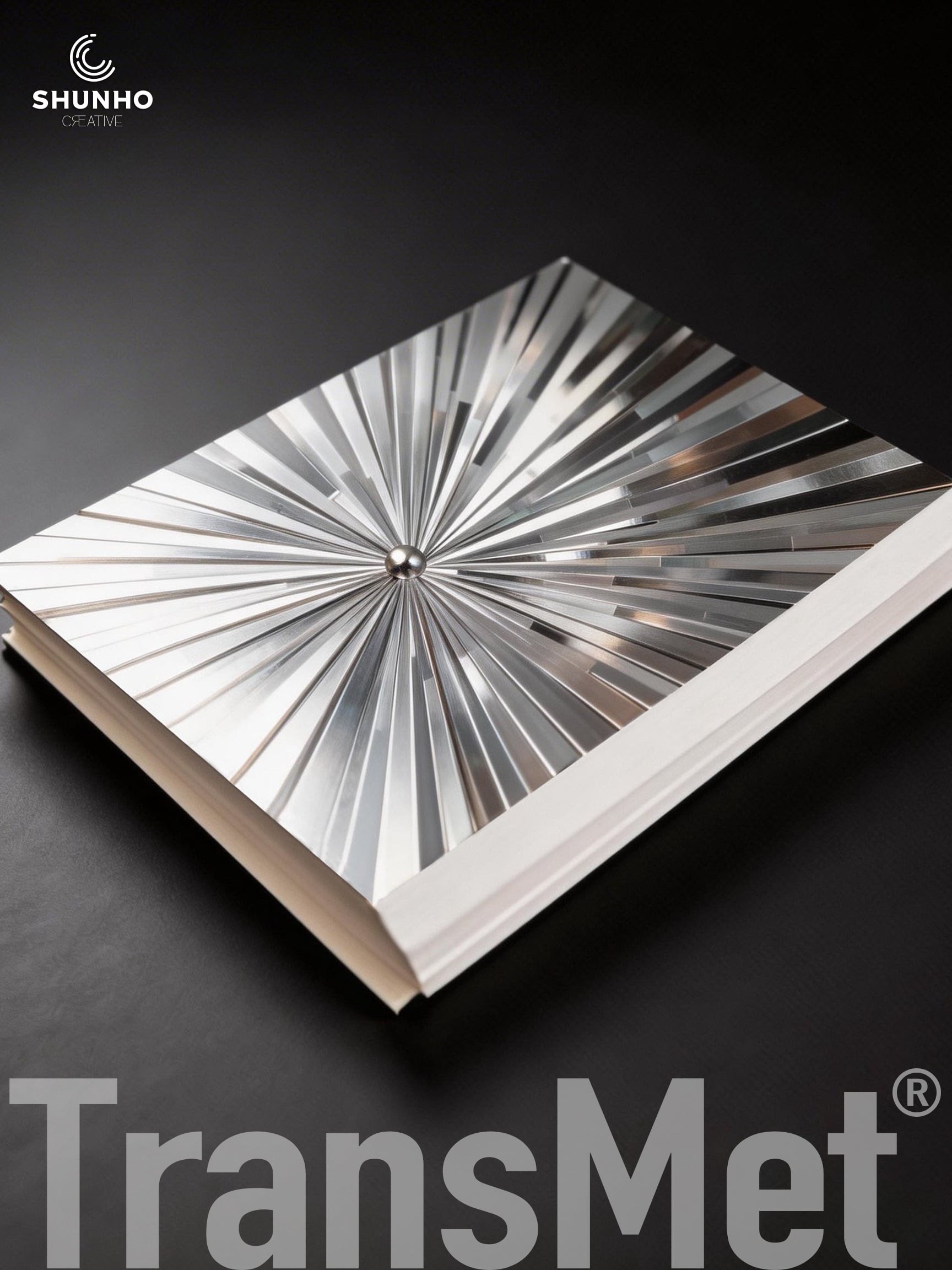
While using Shunho holographic printer paper can enhance your product's visual appeal, installation can present challenges. Here are some common installation problems and their solutions:
Print Smudging: If the prints smudge or smear, it may be due to improper ink settings or insufficient drying time. Ensure that the printer settings are optimized for the specific type of holographic paper being used, and allow adequate time for ink to dry before handling.
Paper Jamming: Holographic paper can be thicker than standard paper, making it more prone to jamming in printers. To mitigate this issue, check the printer's compatibility with the paper thickness and adjust the paper feed settings accordingly.
Inconsistent Color: Variations in color can occur if the paper is not compatible with the printing process or if the ink used is unsuitable. Conduct tests with different ink types to find the best match for the holographic printing paper surface.
Poor Adhesion: When applying holographic paper to surfaces, poor adhesion can lead to lifting or peeling. Ensure that the surface is clean and dry, and consider using a suitable adhesive that works well with the holographic material.
Environmental Conditions: High humidity or extreme temperatures can affect the performance of holographic paper. Store the paper in a climate-controlled environment to maintain its integrity and prevent warping or curling.
By anticipating these common issues and implementing proactive measures, you can ensure a smoother installation process.
More than 20 years of foreign trade experience.Laser paper is produced at a capacity that could reach around Holographic sticker paper tons per year.
Holographic paper for English, Spanish and Japanese is available.
With FSC, REACH, FDA 21 CFR 176.170, ( Holographic check paper) No 10/2011, TUV OK COMPOST HOME, RECYCLABLE, ISO 9001/14001/45001, CNAS, PATENTS and other environmental protection certificates
Holographic check paper majority of customers are from the world's most prestigious 500
Shunho Holographic printer paper is versatile and finds applications across multiple industries. Here are some notable uses:
Cosmetics: In the cosmetic industry, holographic paper is often used for packaging and labeling, as it enhances product visibility and attractiveness on retail shelves. The eye-catching designs can significantly influence consumer purchasing decisions.
Electronics: Holographic paper serves as a protective and promotional element in the electronics sector. It can be used for product packaging, enhancing brand identity while offering a layer of protection against scratches and damage.
FMCG (Fast-Moving Consumer Goods): Holographic paper is frequently employed in the packaging of FMCG products. Its visual appeal can differentiate products in a crowded market, making them more appealing to consumers.
Promotional Materials: Businesses often use holographic paper for creating stunning brochures, flyers, and promotional materials that stand out. The unique visual effects can enhance marketing campaigns and attract attention at trade shows.
Overall, the application of holographic printer paper can significantly boost brand visibility and product appeal across various sectors. By understanding the specifications, quality evaluation methods, sourcing options, installation challenges, and industry applications, buyers can make informed decisions that align with their business needs.
 EN
 AR
 HR
 CS
 DA
 NL
 FI
 FR
 DE
 EL
 HI
 IT
 JA
 KO
 NO
 PT
 RU
 ES
 TL
 ID
 VI
 HU
 TH
 TR
 MS
 GA
 CY
 MK
 HY
 PL