Holo printing is an innovative printing technique that creates stunning visual effects, often used for packaging in industries such as electronics, cosmetics, and fast-moving consumer goods (FMCG). With the increasing demand for eye-catching packaging that also emphasizes sustainability, choosing the right holo print becomes crucial for businesses aiming to stand out in a crowded market. This article addresses key buyer concerns, including product specifications, sourcing reliable suppliers, and best practices for incorporating holo print into your packaging strategy.
Selecting the appropriate holo print for your packaging involves understanding your specific requirements and the characteristics of the available options. Key considerations include the type of product being packaged, the desired visual impact, and the environmental sustainability of the materials used. For instance, if you are packaging electronics, you may prioritize prints that offer excellent barrier properties to protect against moisture and dust. In contrast, for cosmetic products, aesthetic appeal might take precedence, so a high-gloss finish with vibrant colors could be ideal. Additionally, consider the compatibility of the holo print with your existing packaging processes. Ensure that the chosen print can be seamlessly integrated into your production line without requiring significant adjustments or investment in new machinery.
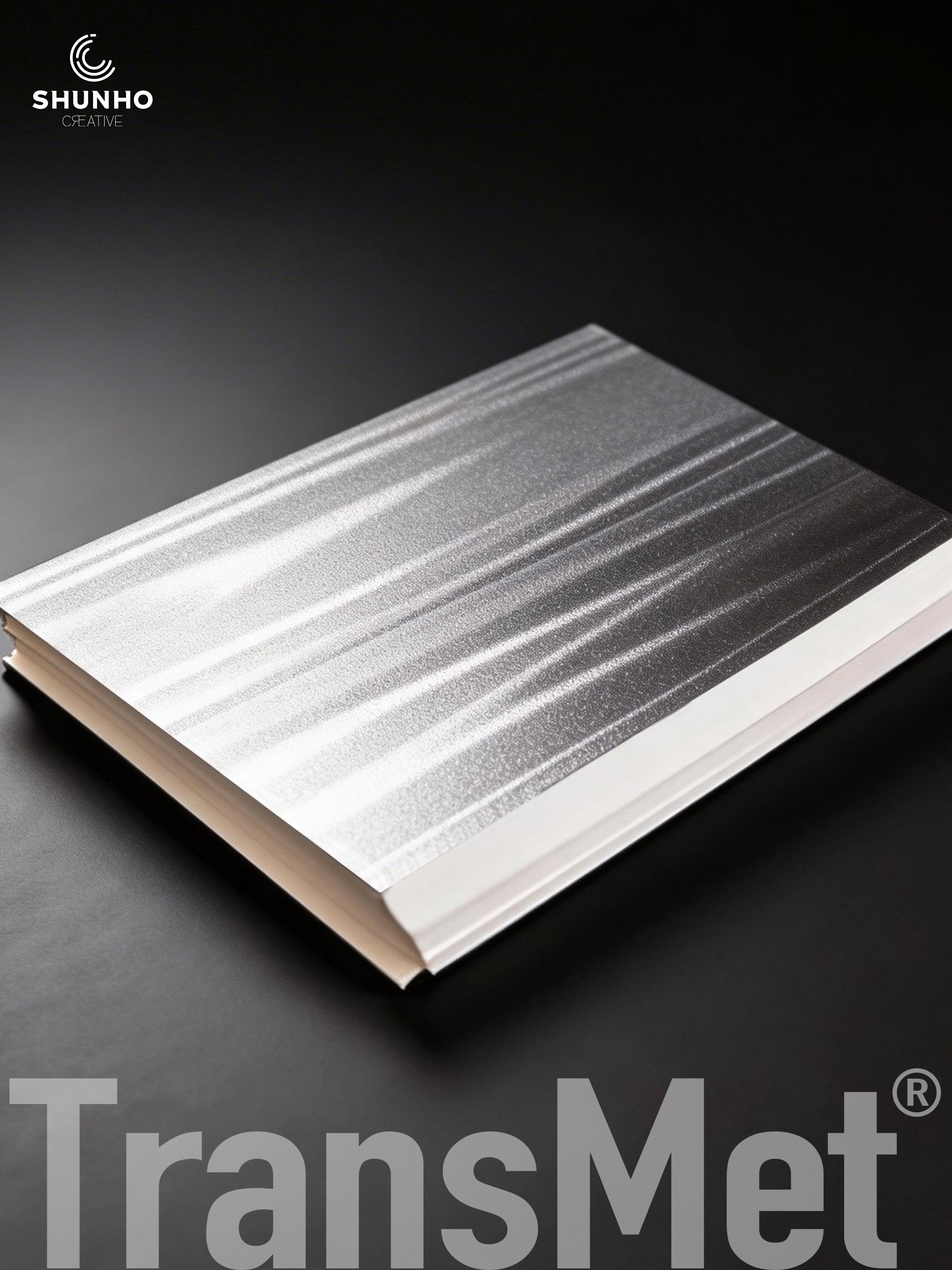
When sourcing holo print products, reliability and quality should be your top priorities. Start by identifying suppliers with a strong track record in the industry, particularly those specializing in eco-friendly packaging materials. Look for manufacturers who use advanced technologies, like Shunho Creative’s vacuum transfer metalizing technology, which enhances the quality and sustainability of their products. Additionally, consider utilizing TransInspire® Paper / Paperboard to further enhance the visual appeal of your packaging.
Request samples to assess the quality of the prints before placing a bulk order. This step is crucial, as it allows you to evaluate the durability, appearance, and performance under real-world conditions. Additionally, verify the supplier’s production capacity to ensure they can meet your order volume without compromising quality or delivery timelines.
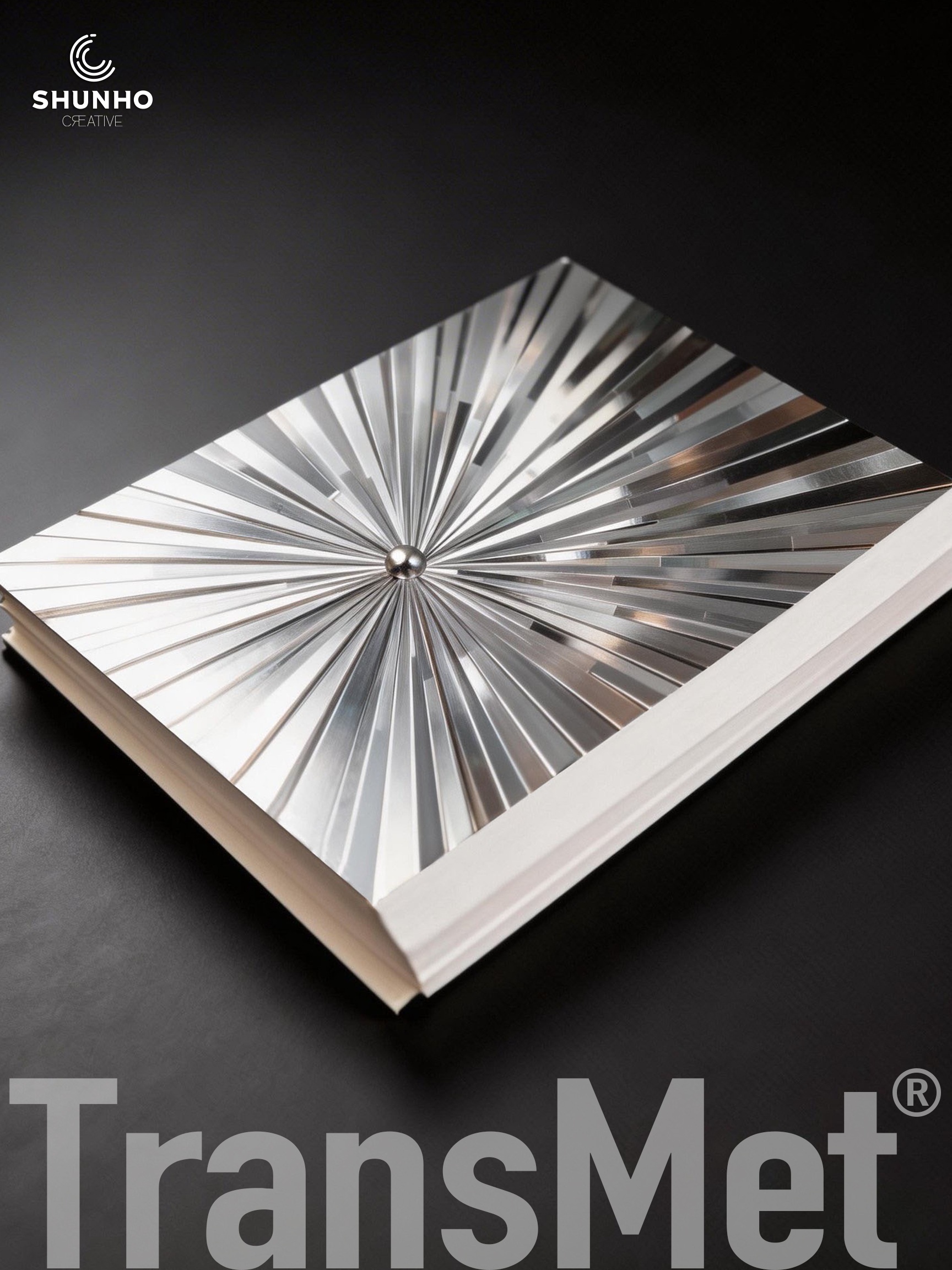
Several specifications are critical when evaluating holo print products:
Thickness: The thickness of the print affects its durability and flexibility. Thicker prints may provide better protection but could also impact the overall weight of your packaging.
Material Composition: Ensure that the materials used are suitable for your product’s requirements. For example, Shunho Creative’s TransMet® Silver & Gold Paper / Paperboard features a plastic-free design, making it both recyclable and biodegradable, appealing to eco-conscious consumers.
Visual Effects: Understand the different visual effects available, such as holographic patterns, colors, and finishes. Each effect can convey different messages and appeal to various consumer preferences.
Adhesion and Compatibility: Confirm that the holo print adheres well to your chosen packaging materials and maintains its integrity throughout the supply chain.
By thoroughly evaluating these specifications, you can make informed decisions that align with both your brand image and product protection needs.
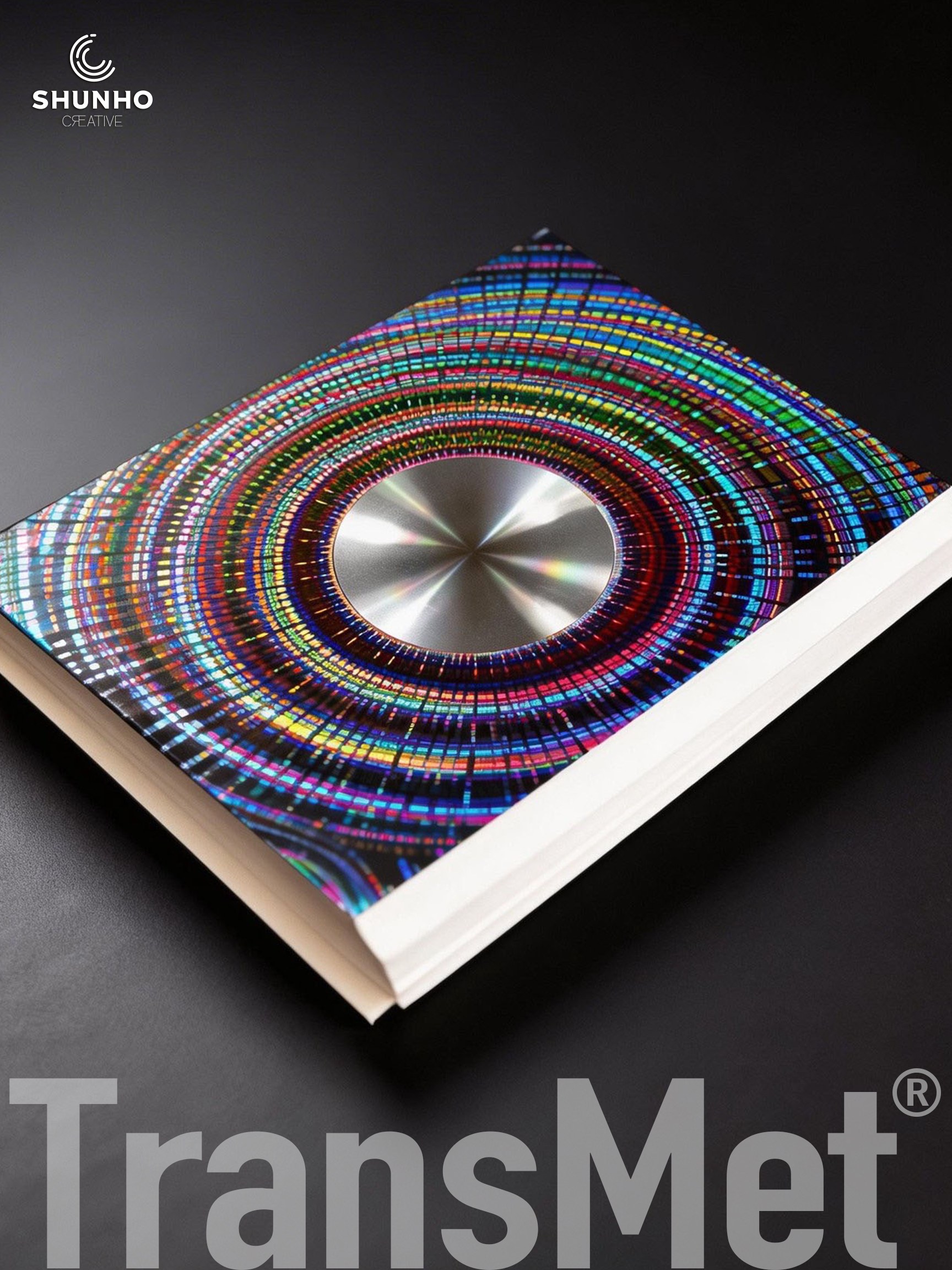
To effectively incorporate holo print into your packaging, consider the following best practices:
Conduct Market Research: Understand current trends in packaging design within your industry. This knowledge can guide your choices in print effects and designs that resonate with your target audience.
Prototype Testing: Before finalizing your packaging design, create prototypes that include the holo print. Test these prototypes under typical handling and environmental conditions to ensure they perform as expected.
Collaborate with Designers: Work closely with packaging designers who have experience in incorporating holo print. Their expertise can help you achieve a balance between functionality and aesthetics.
Establish Clear Communication with Suppliers: Maintain open lines of communication with your suppliers regarding your expectations, timelines, and any potential challenges. This collaboration is essential to avoid misunderstandings and ensure timely delivery.
Holographic paper experience in international trade for more than 20 years.Laser paper has a production capacity that can go the 200,000 ton mark each year.
Holographic paper sticker majority of customers are from the world's most prestigious 500
With FSC, REACH, FDA 21 CFR 176.170, (EU) No 10/2011, TUV OK Holographic paper, RECYCLABLE, ISO 9001/14001/45001, CNAS, PATENTS and other environmental protection certificates
Holographic silver paper, Spanish, Japanese, Korean and other languages are supported. Support the complete solution from the raw materials to the final product.
While holo printing offers many advantages, it can also present challenges:
Print Quality Issues: Sometimes, the final print may not meet expectations in terms of clarity or vibrancy. To mitigate this, ensure that the supplier provides high-quality samples and that you thoroughly review the production process.
Adhesion Failures: In some cases, the holo print may not adhere properly to the packaging material, leading to peeling or fading. To address this, verify the compatibility of the print with your material and consider conducting adhesion tests during prototyping.
Environmental Concerns: As sustainability becomes increasingly important, ensure that your chosen holo print solutions are eco-friendly. Opt for suppliers who prioritize recyclable and biodegradable materials, such as Shunho Creative’s offerings.
By being aware of these common problems and implementing preventive measures, you can enhance the effectiveness of your packaging solutions and maintain customer satisfaction.
Incorporating holo print into your packaging strategy can significantly elevate your brand's presence in the market. By choosing the right products, sourcing reliable suppliers, and following best practices, you can create packaging that not only attracts attention but also aligns with your company's values and sustainability goals.
 EN
 AR
 HR
 CS
 DA
 NL
 FI
 FR
 DE
 EL
 HI
 IT
 JA
 KO
 NO
 PT
 RU
 ES
 TL
 ID
 VI
 HU
 TH
 TR
 MS
 GA
 CY
 MK
 HY
 PL
