Food wrapping paper rolls are essential materials used in the packaging of various food products, ensuring freshness and protection during storage and transportation. As B2B buyers, purchasing managers, and product managers, understanding the quality, cost factors, and applications of these rolls is crucial for making informed purchasing decisions. This article will provide insights into evaluating food wrapping paper rolls, discussing key considerations that affect their performance and suitability for different industries.
When assessing the quality of food wrapping paper rolls, several factors come into play. First, consider the material composition. High-quality food wrapping paper is often made from eco-friendly materials like Shunho Creative's TransMet paper, which is plastic-free and features a 30nm aluminum layer that enhances barrier properties while being fully recyclable and degradable.
Next, examine the thickness and density of the paper. Thicker paper typically offers better protection against moisture and oxygen, which is vital for preserving food quality. A common specification to look for is the grammage, which indicates the weight of the paper per square meter. This metric helps determine the durability and performance of the wrapping paper under various conditions.
Additionally, evaluate the paper's sealing properties. A good food wrapping paper should be compatible with different sealing methods—whether heat sealing, adhesive, or manual sealing—depending on your packaging process. Finally, ensure that the paper complies with relevant food safety regulations, which can vary by region.

Cost is often a significant concern when ordering food wrapping paper rolls in bulk. The price can be influenced by several factors, including material type, processing technology, and order volume. Eco-friendly options, like those produced using advanced vacuum transfer metalizing technology, might come with a higher upfront cost but offer long-term savings through sustainability benefits.
Another factor affecting pricing is the minimum order quantity (MOQ). Suppliers often set an MOQ to cover production costs, so understanding this metric is essential for budgeting. For buyers looking to maximize cost-efficiency, negotiating bulk pricing based on larger orders may yield significant savings.
Shipping costs also play a role in the overall expense. Consider the delivery destination, as shipping rates can vary widely depending on distance and logistics. When calculating total costs, it's important to factor in these additional expenses alongside the base price of the food wrapping paper.
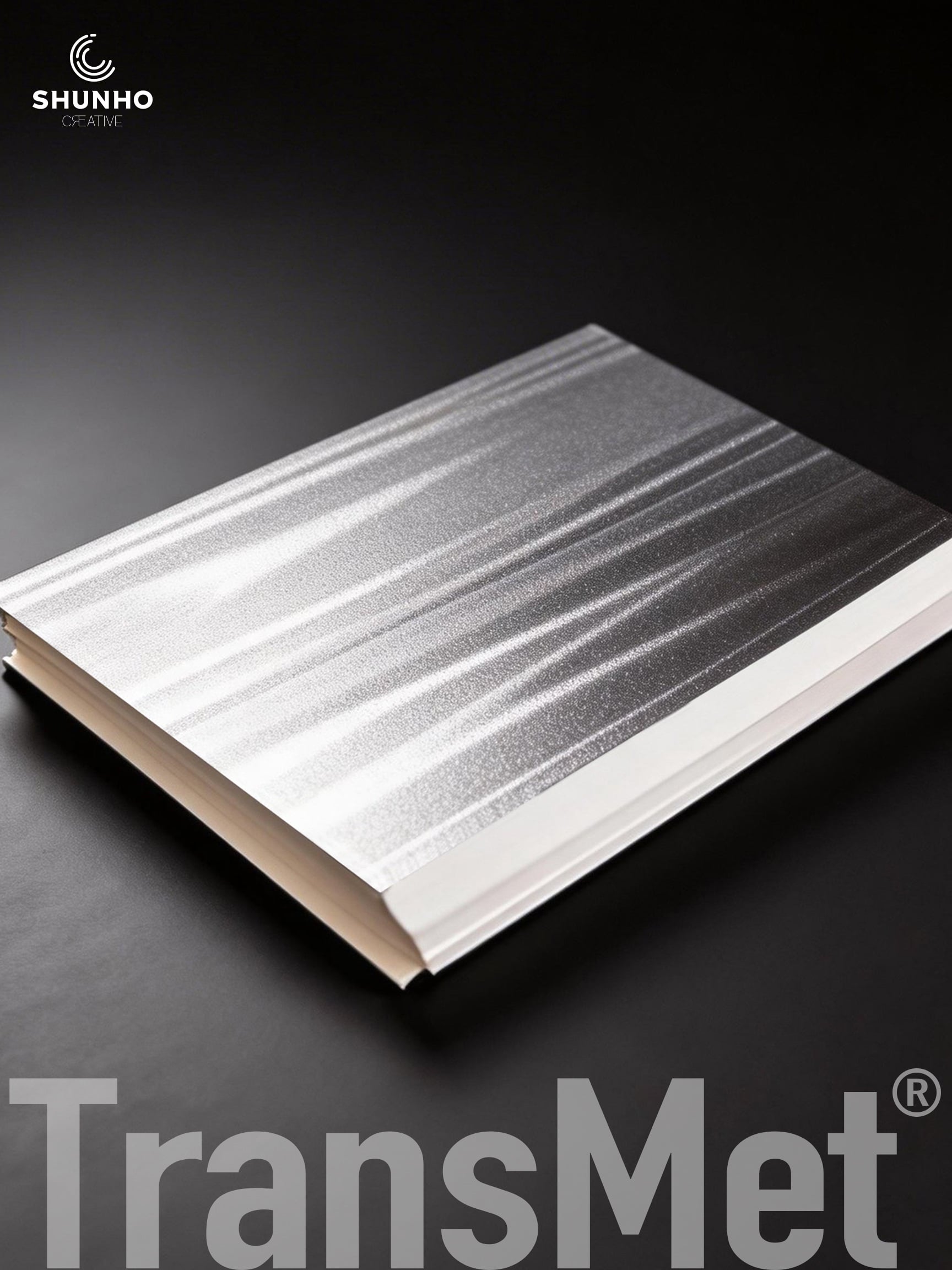
While food wrapping paper rolls serve vital functions, common issues can arise during usage. One frequent problem is insufficient moisture or oxygen barrier properties, which can lead to food spoilage. To mitigate this, opt for high-quality products like TransMet paper, which provides superior protection through its innovative aluminum layer.
Another issue may occur during the sealing process, where the paper does not adhere properly. This can often be resolved by ensuring compatibility between the paper and the sealing method you are using. Testing samples under actual production conditions can help identify any potential sealing issues before mass production.
Additionally, buyers should be aware of the potential for tearing or splitting during handling. Selecting a paper with appropriate thickness and durability according to your application will help minimize this risk. Conducting quality inspections on samples prior to placing a bulk order is an effective way to avoid such problems.
Effective installation and usage of food wrapping paper rolls are crucial for optimal performance. Begin by ensuring that your wrapping equipment is compatible with the selected paper type. This includes checking the paper's thickness and width against your machinery's specifications to prevent jamming or uneven feeding.
Next, familiarize yourself with the proper handling techniques. When loading the rolls into your machine, make sure the paper feeds correctly and aligns with the sealing mechanisms. Regular maintenance of your equipment will also help prevent issues related to installation.
It’s advisable to conduct a trial run with the food wrapping paper rolls to assess their performance in real-world conditions. This trial should include wrapping actual food products to evaluate sealing quality, durability during transport, and overall appearance of the finished product.
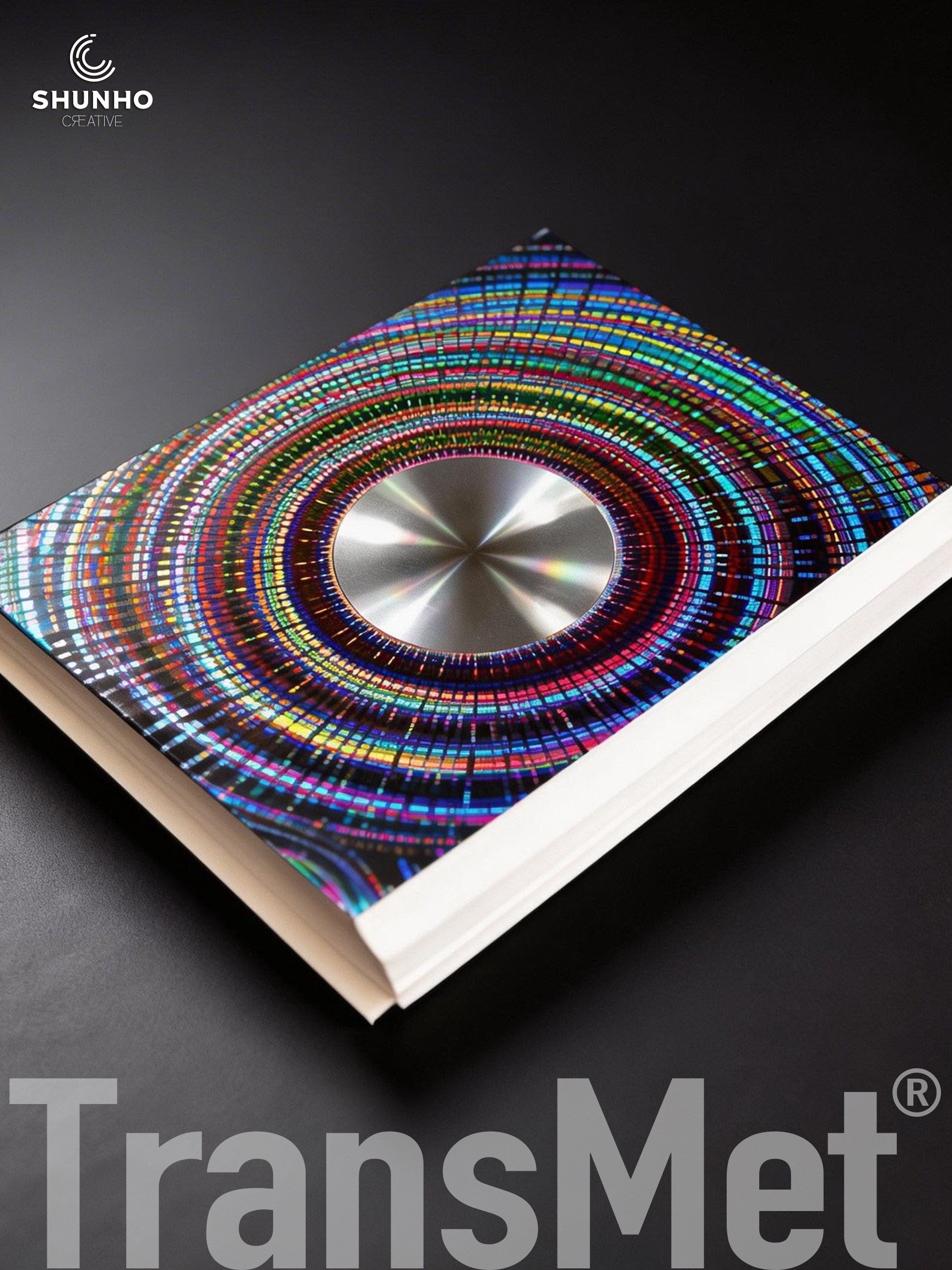
Holographic silver paper, Spanish, Japanese, Korean and other languages are supported. Support the complete solution from the raw materials to the final product.
Experiential experience in international trade for more than 20 years.The annual capacity of laser-printed paper can Holographic check paper 200 tons.
Rainbow wrapping paper majority of customers are from the world's most prestigious 500
With FSC, REACH, FDA 21 CFR 176.170, ( Holographic check paper) No 10/2011, TUV OK COMPOST HOME, RECYCLABLE, ISO 9001/14001/45001, CNAS, PATENTS and other environmental protection certificates
Eco-friendly food wrapping paper, such as Shunho Creative's TransMet paper, is increasingly being utilized across various industries beyond food packaging. Its environmental benefits align with the growing demand for sustainable practices. This paper is well-suited for the electronics and cosmetics industries, where it can serve as protective packaging while ensuring compliance with environmental regulations.
In the food industry, eco-friendly wrapping paper can be used for a variety of applications, including wrapping sandwiches, baked goods, and fresh produce. Its ability to maintain freshness while being fully recyclable makes it an attractive option for businesses looking to enhance their sustainability initiatives.
Furthermore, customization options are available for businesses seeking specific branding or design elements on their wrapping paper. This can enhance product visibility and appeal while reinforcing the company’s commitment to eco-friendly practices.
By understanding the quality, cost factors, potential problems, installation guidelines, and diverse applications of food wrapping paper rolls, B2B buyers can make informed decisions that align with their operational needs and sustainability goals.
 EN
 AR
 HR
 CS
 DA
 NL
 FI
 FR
 DE
 EL
 HI
 IT
 JA
 KO
 NO
 PT
 RU
 ES
 TL
 ID
 VI
 HU
 TH
 TR
 MS
 GA
 CY
 MK
 HY
 PL