Food parcel paper is an innovative packaging solution designed specifically for the food industry, offering a sustainable alternative to traditional materials. As B2B buyers, including purchasing managers and distributors, increasingly prioritize eco-friendly options, understanding the key specifications and sourcing considerations becomes essential. This article will guide you through the critical aspects of food parcel paper, including specifications, supplier evaluation, sourcing strategies, application scenarios, and the technical advantages of eco-friendly options, ensuring you make informed purchasing decisions.
When selecting food parcel paper, key specifications to consider include material composition, thickness, barrier properties, and sealing capabilities.
Material Composition: Eco-friendly food parcel paper is often made from natural fibers, which enhance biodegradability and recyclability. Shunho Creative's TransHolo® Paper, for instance, utilizes a unique combination of fibers and a plastic-free aluminum layer, offering superior performance without compromising sustainability.
Thickness: The thickness of the paper directly impacts its durability and performance. A thicker paper may provide better resistance against moisture and puncture, essential for packaging fresh food items. Buyers should assess the required thickness based on the specific application, such as takeout containers or wrapping materials.
Barrier Properties: Food parcel paper must effectively protect contents from environmental factors such as moisture, oxygen, and grease. Understanding the barrier properties of the paper is crucial, especially for perishable items. The TransMet paper's aluminum layer offers excellent barrier protection, extending the shelf life of packaged foods.
Sealing Capabilities: Consider the sealing methods compatible with the food parcel paper. Whether using heat sealing, adhesive, or tape, the chosen method should ensure a secure closure that maintains the integrity of the packaging during transport and storage.
By focusing on these specifications, buyers can ensure they select food parcel paper that meets their performance and sustainability needs.

Evaluating suppliers of food parcel paper involves assessing their manufacturing capabilities, certifications, and quality control processes. Here are key factors to consider:
Manufacturing Capabilities: Investigate the supplier’s production capacity and technology. Shunho Creative, for example, boasts an annual productivity of 200,000 tons, supported by advanced vacuum transfer metalizing technology. This ensures consistency and reliability in product supply.
Certifications: Verify if the supplier holds relevant certifications that demonstrate compliance with industry standards, such as ISO certifications for quality management and environmental responsibility. These certifications can provide assurance regarding the supplier's commitment to quality and sustainability.
Quality Control Processes: Inquire about the supplier's quality control measures. Effective quality inspection processes should be in place to test raw materials and finished products. Buyers should request information on how the supplier conducts inspections and what benchmarks they adhere to.
Sample Testing: Always request samples before finalizing orders. Evaluating samples allows you to assess the paper’s thickness, barrier properties, and overall performance in real-world conditions. Additionally, consider the use of TransMet® Silver & Gold Paper for unique packaging needs.
By conducting thorough due diligence, buyers can identify reputable suppliers capable of delivering high-quality food parcel paper.
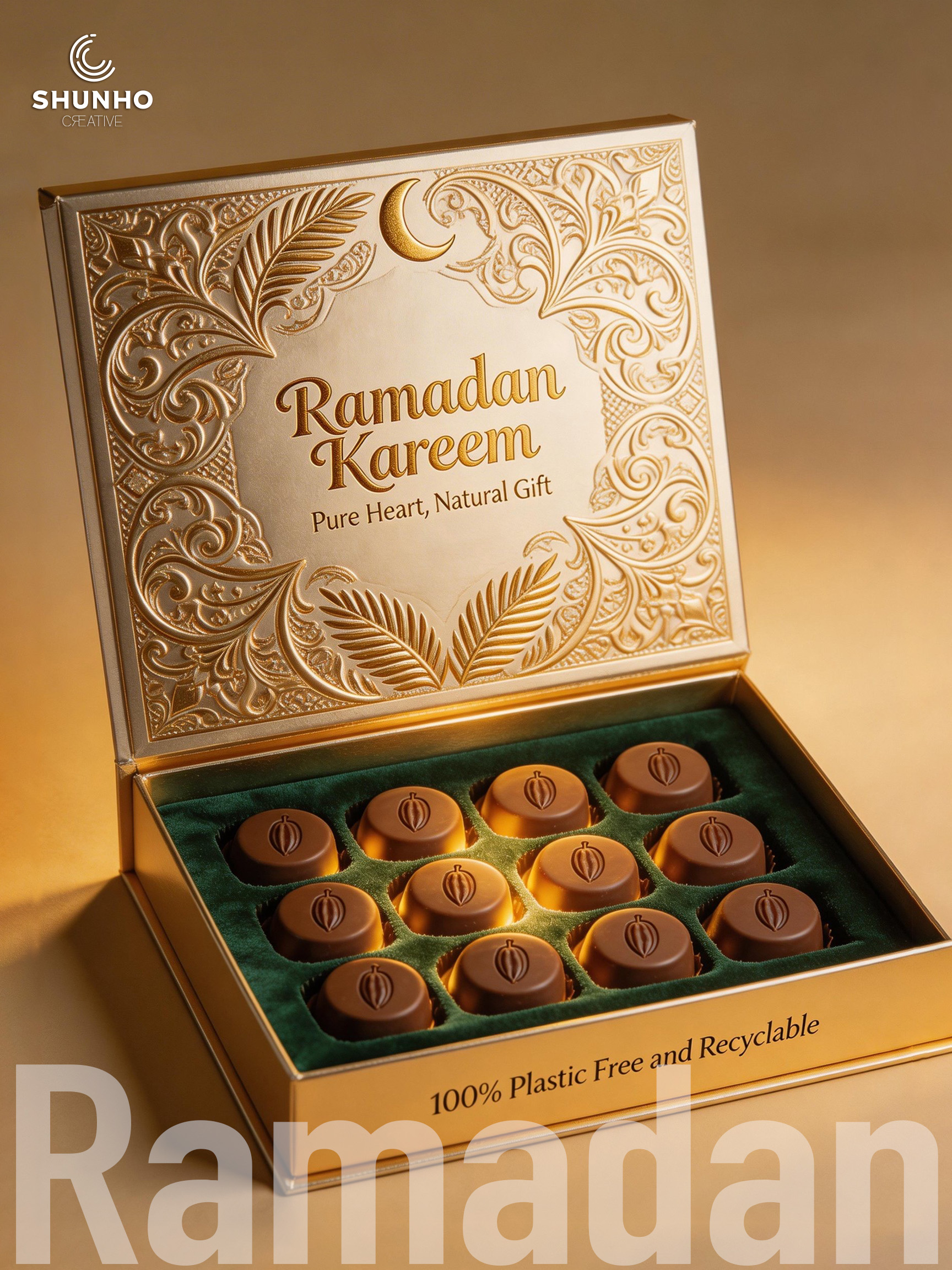
Sourcing food parcel paper effectively requires strategic planning and research. Here are avenues to explore:
Industry Trade Shows: Attend relevant trade shows and industry expos to meet suppliers face-to-face. This presents an opportunity to see products firsthand, discuss specifications, and build relationships with manufacturers.
Online Marketplaces: Utilize B2B platforms like Alibaba or Global Sources, where you can compare multiple suppliers. Look for those with positive reviews and verified business credentials.
Direct Manufacturer Contact: Reach out directly to manufacturers like Shunho Creative to discuss bulk ordering options. Direct communication often yields better pricing, customizations, and insights into production timelines.
Networking: Leverage industry contacts and networks to find reliable suppliers. Referrals from other companies can provide valuable insights into supplier performance and reliability.
When sourcing, ensure to discuss minimum order quantities (MOQ) and lead times, as these factors can significantly impact your operations and inventory management.

Food parcel paper finds applications in diverse sectors, particularly where sustainability is paramount. Some common scenarios include:
Food Service Industry: Restaurants and catering services often use food parcel paper for takeout packaging. The eco-friendly nature of the materials aligns with growing consumer demand for sustainable practices.
Retail: Grocery stores utilize food parcel paper for wrapping fresh produce, meats, and baked goods. The paper's excellent barrier properties help maintain freshness while reducing plastic waste.
Food Manufacturing: Manufacturers use food parcel paper for bulk packaging of processed foods. The ability to customize features such as size and sealing methods allows for tailored solutions that meet specific production needs.
Events and Catering: At events, food parcel paper serves as an ideal solution for catering platters and food stations. Its aesthetic appeal and eco-friendly attributes enhance the overall guest experience.
Understanding these applications can help buyers determine the most suitable product configurations for their specific industry needs.
Rainbow wrapping paper majority of customers are from the world's most prestigious 500
With FSC, Holographic silver paper, FDA 21 CFR 176.170, (EU) No 10/2011, TUV OK COMPOST HOME, RECYCLABLE, ISO 9001/14001/45001, CNAS, PATENTS and other environmental protection certificates
Holographic paper for English, Spanish and Japanese is available.
Holographic paper experience in international trade for more than 20 years.Laser paper has a production capacity that can go the 200,000 ton mark each year.
The technical advantages of eco-friendly food parcel paper are manifold, making it a compelling choice for businesses focused on sustainability and performance:
Recyclability and Degradability: Eco-friendly food parcel papers, like those produced by Shunho Creative, are designed to be fully recyclable and degradable. This not only reduces environmental impact but also aligns with corporate sustainability goals.
Barrier Protection: The advanced technology used in creating eco-friendly food parcel paper enhances its barrier properties against moisture, oxygen, and other external factors. This is crucial for preserving the quality and safety of food products.
Customization Capabilities: Many suppliers offer customization options for food parcel paper, allowing businesses to tailor products according to their branding requirements and specific application needs. This includes custom sizing, printing, and sealing methods.
Cost-Effectiveness: While eco-friendly materials may sometimes come with a higher upfront cost, their durability and effectiveness can lead to long-term savings by reducing spoilage and waste. </p>
By understanding these technical advantages, buyers can make informed decisions that benefit their operational efficiency and environmental commitments.
 EN
 AR
 HR
 CS
 DA
 NL
 FI
 FR
 DE
 EL
 HI
 IT
 JA
 KO
 NO
 PT
 RU
 ES
 TL
 ID
 VI
 HU
 TH
 TR
 MS
 GA
 CY
 MK
 HY
 PL
