In an era where sustainability is paramount, environmentally friendly packaging solutions have emerged as vital components for businesses across various industries. These solutions not only meet increasing regulatory demands but also address consumer preferences for greener alternatives. However, selecting the right eco-friendly packaging can be challenging for purchasing managers and product developers alike. This article will help clarify essential factors to consider when choosing these solutions, source reliable suppliers, implement quality control measures, and navigate common issues in eco-friendly packaging.
When evaluating environmentally friendly packaging solutions, several key factors should be considered to ensure that the chosen materials align with your product’s requirements and brand values.
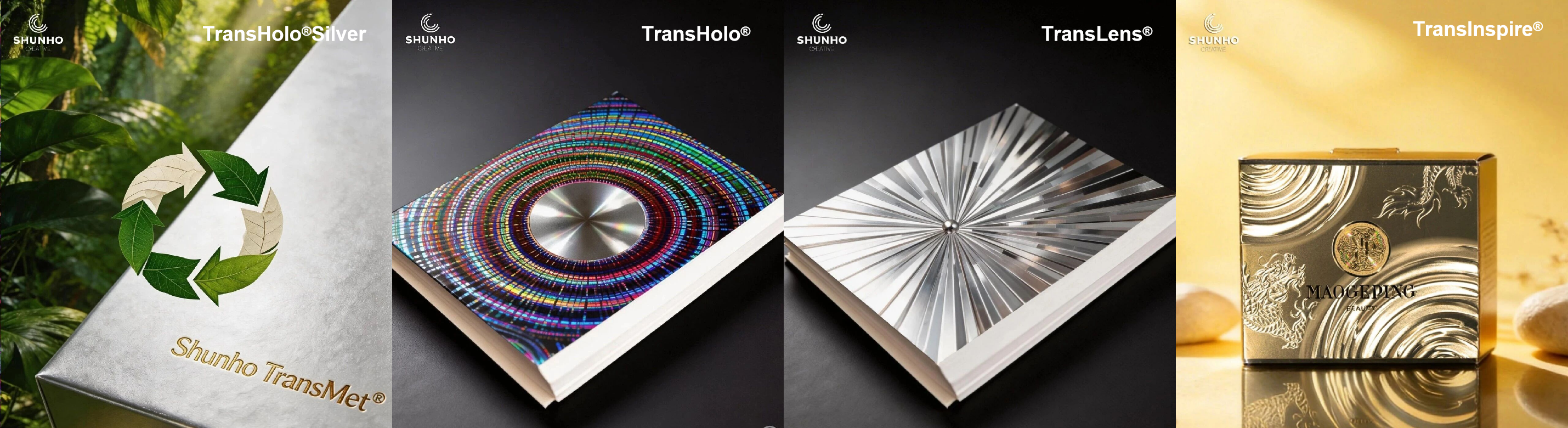
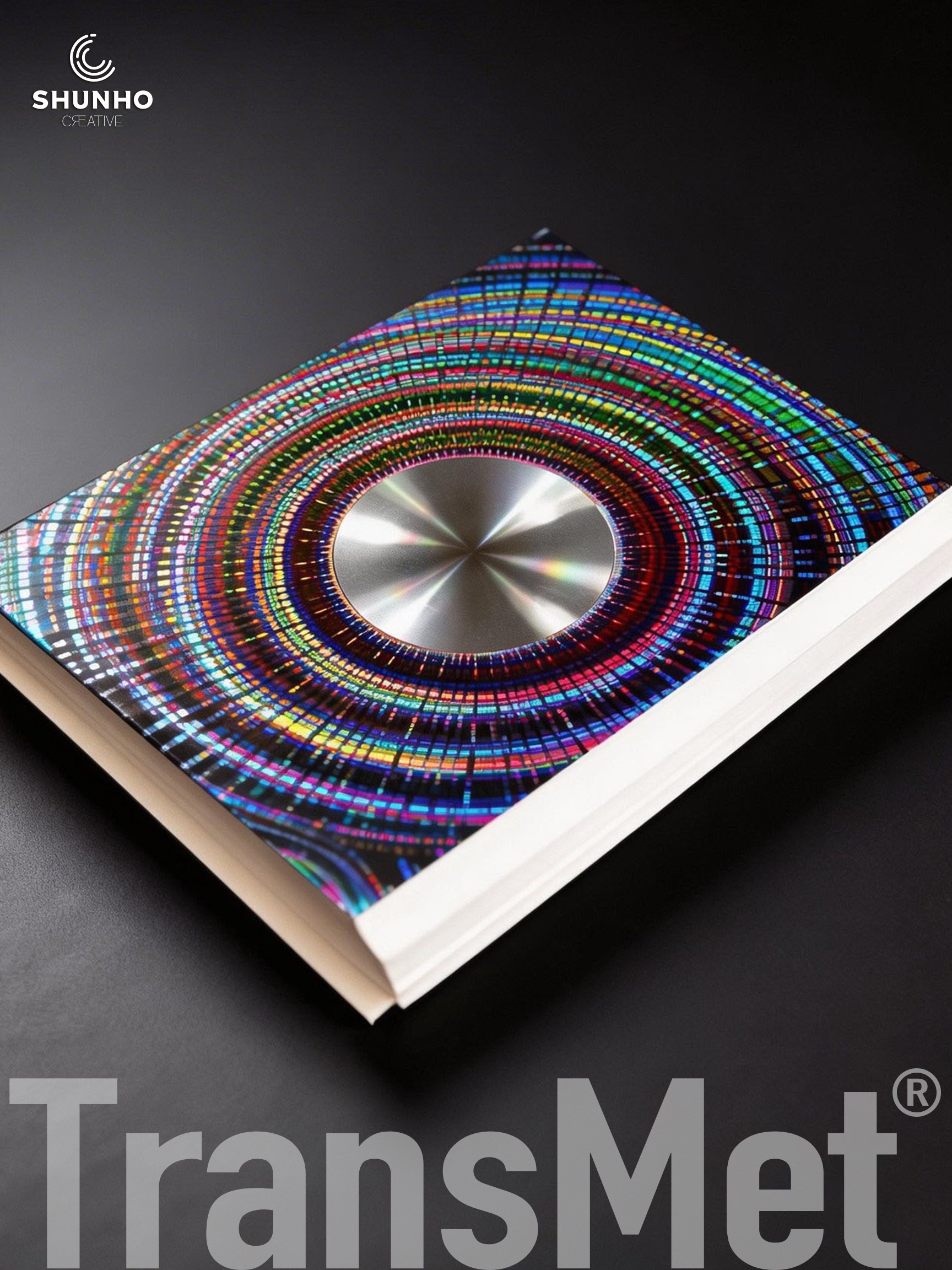
Material Composition: The choice of material significantly impacts the sustainability of your environmentally friendly cosmetic packaging. Options like Shunho Creative's TransMet paper, which is plastic-free and features a 30nm aluminum layer, offer excellent barrier properties while being fully recyclable and degradable. Buyers should assess the environmental impact of the materials, including their carbon footprint and recyclable.
Performance Requirements: Different applications demand different performance characteristics. For instance, packaging for electronics might require enhanced moisture and dust protection, while cosmetics packaging may need to be visually appealing while still being functional. It’s crucial to evaluate how the chosen material will perform under specific conditions, such as temperature variations and exposure to chemicals.
Customization Capabilities: Businesses often require bespoke solutions to meet unique branding and functional needs. Evaluate the manufacturer’s ability to provide customized sizes, designs, and printing options. This ensures that your packaging not only serves its purpose but also enhances your brand identity.
Compliance and Certification: Ensure that the packaging complies with relevant industry regulations and certifications. This may include food safety standards for food packaging or specific eco-labels that verify the sustainability of the materials used.
Cost Considerations: While eco-friendly options can often carry a higher upfront cost, it's essential to consider the total cost of ownership, including potential savings on disposal and waste management in the long run.
Sourcing reliable suppliers for eco-friendly packaging solutions begins with identifying manufacturers who specialize in sustainable materials. Here are some steps to effectively locate these suppliers:
Industry Directories and Trade Shows: Utilize industry-specific directories and attend trade shows focused on sustainable packaging. These platforms allow you to connect with multiple suppliers in one location, facilitating direct discussions about their capabilities and product offerings.
Supplier Certifications: Look for suppliers with recognized certifications that validate their commitment to sustainability. This can include ISO certifications, FSC certifications for paper products, or other environmental certifications that indicate responsible sourcing and manufacturing practices.
Request Samples: Before making a commitment, request samples to evaluate the quality and performance of the packaging materials. This can help you assess whether the supplier’s offerings meet your specific needs.
Customer Reviews and Case Studies: Investigate customer feedback and case studies. Suppliers who have successfully collaborated with other companies in your industry can provide insights into their reliability and customer service.
Sustainability Initiatives: Assess the supplier’s overall sustainability initiatives. A company that prioritizes eco-friendly practices across its operations is likely to be a more trustworthy partner.
Implementing stringent quality control measures is essential to ensure that eco-friendly packaging solutions meet the required performance standards. Here are key measures to consider:
Material Inspection: Conduct thorough inspections of raw materials upon delivery to confirm that they meet specified quality standards. This should include checks for physical properties, such as thickness and barrier performance.
Production Monitoring: Regularly monitor the production process to identify any deviations from quality standards. This can include checking machine calibration, monitoring environmental conditions, and ensuring compliance with manufacturing protocols.
Testing and Validation: Carry out comprehensive testing of the final product, including stress tests for durability, moisture resistance, and overall functionality. This is particularly important for high-value items, such as electronics and cosmetics.
Sample Approval: Before mass production, it’s advisable to approve a finished sample. This ensures that dimensions, fit, and surface appearance are as expected and that the packaging performs adequately in real-world conditions.
Continual Improvement: Establish a feedback loop that incorporates insights from quality control checks into the manufacturing process. This will help in refining production techniques and improving overall product quality.

While eco-friendly packaging offers numerous advantages, several challenges may arise during its production and use. Here are some common issues and effective solutions:
Material Limitations: Some eco-friendly materials may not provide the same level of protection as traditional options. For instance, biodegradable materials might deteriorate under certain environmental conditions. To address this, it’s crucial to conduct thorough testing to ensure the material’s suitability for the intended application.
Cost Variability: Eco-friendly packaging can sometimes be more expensive than conventional options. Buyers should evaluate the long-term savings associated with sustainable practices, including reduced waste disposal costs and enhanced brand loyalty from environmentally conscious consumers.
Consumer Perception: There may be misconceptions about the performance of eco-friendly packaging. Education and transparent communication regarding the benefits and capabilities of these materials can help alleviate concerns among consumers.
Supply Chain Complexity: Sourcing sustainable materials can complicate supply chains. Collaborating with suppliers who have established sustainable practices can streamline this process and ensure that your packaging meets both environmental and operational requirements.
Recycling and Disposal Issues: Not all eco-friendly packaging is easily recyclable in every region. Buyers should consider local recycling capabilities and ensure that their packaging can be processed effectively in the intended markets.
The Holographic sticker paper of customers come from the top 500 companies in world.
Holographic sticker paper for English, Spanish and Japanese is available.
With Sticker paper holographic, REACH, FDA 21 CFR 176.170, (EU) No 10/2011, TUV OK COMPOST HOME, RECYCLABLE, ISO 9001/14001/45001, CNAS, PATENTS and other environmental protection certificates
Experiential experience in international trade for more than 20 years.The annual capacity of laser-printed paper can Holographic check paper 200 tons.
Eco-friendly packaging solutions are applicable across a wide range of industries, each with unique requirements:
Electronics: Packaging for electronic products must provide excellent protection against moisture and static. Solutions like Shunho Creative's TransMet paper help maintain product integrity while being environmentally responsible.
Cosmetics and Personal Care: The cosmetics industry often seeks visually appealing packaging that also aligns with sustainability goals. Eco-friendly options can enhance brand image while meeting consumer demand for greener products.
Fast-Moving Consumer Goods (FMCG): In the FMCG sector, packaging needs to be cost-effective while maintaining freshness and safety. Eco-friendly materials can effectively meet these needs without sacrificing quality.
Food and Beverage: Sustainable packaging options are increasingly important in the food industry, where compliance with safety standards is critical. Materials must be safe for food contact and capable of preserving product quality.
Retail and E-commerce: As online shopping grows, eco-friendly packaging is becoming vital for shipping products safely and sustainably. Companies can use biodegradable packing materials to reduce their environmental footprint.
By understanding the diverse applications and considerations surrounding environmentally friendly packaging solutions, businesses can make informed decisions that align with their sustainability goals and market demands.
 EN
 AR
 HR
 CS
 DA
 NL
 FI
 FR
 DE
 EL
 HI
 IT
 JA
 KO
 NO
 PT
 RU
 ES
 TL
 ID
 VI
 HU
 TH
 TR
 MS
 GA
 CY
 MK
 HY
 PL