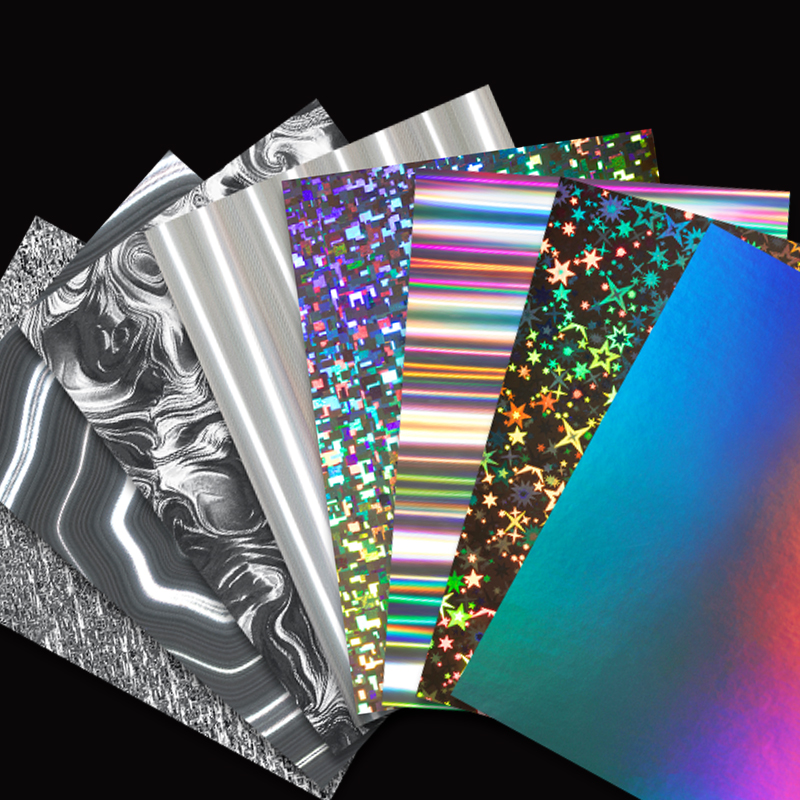
Eco-friendly boxes are a crucial component in sustainable packaging, providing businesses with an environmentally responsible way to package their products. As industries increasingly prioritize sustainability, understanding the specifications, sourcing options, quality control processes, and cost factors associated with eco-friendly boxes becomes vital for purchasing managers, distributors, and product managers. This article aims to provide valuable insights into eco-friendly packaging materials, specifically focusing on the key aspects that B2B buyers need to consider for informed decision-making.
When selecting eco-friendly boxes, several key specifications should be taken into account to ensure they meet your packaging needs:
Material Composition: The most common materials used in eco-friendly boxes include recycled paper, biodegradable plastics, and innovative options like TransMet paper, which features a plastic-free aluminum layer. Each material offers distinct benefits, such as moisture resistance or structural integrity, making it crucial to choose based on the specific requirements of your product.
Dimensions and Weight: The size and weight of the boxes are critical for effective shipping and storage. Ensure that the dimensions align with your product specifications to avoid excess material use and reduce shipping costs. Lightweight materials can also help lower transportation expenses.
Barrier Properties: Depending on the application, the barrier properties of the packaging material are essential. For example, if your product is sensitive to moisture or light, packaging with appropriate barrier levels is necessary to maintain product integrity. TransMet paper, with its aluminum layer, provides excellent protection against these elements.
Recyclability and Degradability: Certifications regarding the recyclability and degradability of packaging materials should be verified. Eco-friendly boxes should ideally be fully recyclable or compostable, aligning with sustainable practices and enhancing brand reputation.
Customization Options: Many manufacturers, including Shunho Creative, offer customization options for eco-friendly boxes. This can include specific sizes, designs, and printing options that cater to your branding needs while maintaining sustainability.

Finding dependable suppliers for eco-friendly boxes is essential for ensuring consistent product quality and timely delivery. Here are some tips for sourcing:
Industry Research: Utilize industry-specific directories and trade shows to identify suppliers specializing in eco-friendly packaging. This can provide insights into their capabilities and product offerings.
Supplier Evaluations: Assess potential suppliers based on their manufacturing capacity, production processes, and commitment to sustainability. Request samples and certifications to verify their eco-friendly claims.
Partnerships and Recommendations: Building relationships with other businesses in your sector can lead to valuable referrals. Collaborate with partners who have experience sourcing eco-friendly packaging materials.
Request for Quotes (RFQs): When reaching out to suppliers, provide clear specifications regarding your packaging needs, including dimensions, materials, and expected quantities. This ensures accurate quotes and reduces misunderstandings.
Online Platforms: Consider leveraging online marketplaces that focus on sustainable products. These platforms often vet suppliers for quality and reliability, making it easier to find suitable partners.

Quality control is paramount in maintaining the performance and reliability of eco-friendly boxes. Here are some essential aspects to consider:
Material Testing: Manufacturers should conduct rigorous testing of materials to ensure they meet the required specifications for durability and barrier properties. This may include testing for moisture resistance, tensile strength, and overall performance under various conditions.
Production Process Monitoring: Regular audits of the manufacturing process can help identify any inconsistencies or defects early on. This includes monitoring machinery performance and quality during production runs.
Sample Approval: Before committing to mass production, it is advisable to approve a finished sample. This ensures that the box dimensions, material quality, and overall presentation align with your expectations and standards.
Third-party Certifications: Look for suppliers who have third-party quality certifications, which can provide additional assurance regarding their manufacturing practices and product performance.
Continuous Improvement: Engage with suppliers who prioritize continuous improvement in their processes. This can lead to better quality products and a commitment to reducing waste and enhancing sustainability.

Implementing eco-friendly packaging materials effectively requires proper installation and usage practices:
Handling: Ensure that all personnel involved in packing and shipping understand the specific requirements of eco-friendly materials. For instance, while TransMet paper offers excellent barrier properties, it should be handled with care to avoid damage during packing.
Assembly Techniques: Provide clear guidelines on how to assemble the boxes to maintain structural integrity. This may include specific folding techniques or adhesives that are compatible with eco-friendly materials.
Storage Conditions: Store eco-friendly boxes in a controlled environment to prevent exposure to moisture or extreme temperatures, which could compromise their quality.
Training: Regular training sessions for staff on best practices for using eco-friendly packaging can help minimize errors and ensure that products are packaged correctly.
Feedback Mechanism: Establish a feedback loop with employees to address any challenges encountered with the packaging materials. This can facilitate improvements and enhance overall efficiency.
Holographic paper for English, Spanish and Japanese is available.
More than 20 years of foreign trade experience.Laser paper is produced at a capacity that could reach around Rainbow wrapping paper tons per year.
With FSC, REACH, FDA 21 CFR 176.170, (EU) No 10/2011, TUV OK COMPOST HOME, Holographic stickers paper, ISO 9001/14001/45001, CNAS, PATENTS and other environmental protection certificates
The majority of customers come Holographic paper the leading 500 businesses in the world.
When purchasing eco-friendly boxes in bulk, various cost factors need to be evaluated to ensure a competitive pricing structure:
Material Costs: The type of material selected directly impacts pricing. While innovative materials like TransMet paper may have a higher initial cost, their recyclability and performance can lead to long-term savings.
Customization Expenses: Custom designs or sizes may incur additional costs. It’s essential to evaluate whether the added investment aligns with your marketing strategy and product requirements.
Minimum Order Quantities (MOQ): Be aware of the MOQ set by suppliers, as this can affect your overall budget. Ordering in larger quantities typically reduces the unit price but requires careful planning regarding inventory management.
Shipping and Logistics: Consider the costs associated with shipping eco-friendly boxes. Lightweight and compact designs can significantly reduce shipping expenses.
Quality vs. Cost: While it may be tempting to opt for the lowest-priced option, it's crucial to balance cost with quality. A cheaper product may lead to higher costs in the long run due to increased returns or damaged goods.
By understanding these key aspects of eco-friendly boxes, B2B buyers can make informed decisions that align with their sustainability goals while ensuring product performance and customer satisfaction.
 EN
 AR
 HR
 CS
 DA
 NL
 FI
 FR
 DE
 EL
 HI
 IT
 JA
 KO
 NO
 PT
 RU
 ES
 TL
 ID
 VI
 HU
 TH
 TR
 MS
 GA
 CY
 MK
 HY
 PL