Custom product packaging is a crucial aspect of product presentation and protection, especially in industries like electronics, cosmetics, and fast-moving consumer goods (FMCG). Buyers often seek solutions that not only meet aesthetic demands but also adhere to sustainability standards. This article will provide insights into selecting the right custom product packaging, focusing on eco-friendly options such as Shunho Creative's personal care product packaging materials, including its unique plastic-free TransMet paper. We will explore supplier reliability, specifications, installation guidance, and practical applications in key industries.
Finding reliable suppliers for custom product packaging is essential for ensuring quality and meeting your production timeline. Start by researching manufacturers that specialize in eco-friendly packaging materials, as sustainability is increasingly important to buyers. Look for suppliers with proven track records in your industry, such as our brand, which holds a leading market share in eco-friendly packaging solutions.
Consider attending industry trade shows, joining relevant professional associations, or utilizing online platforms like LinkedIn to connect with potential suppliers. It's important to evaluate their production capabilities, certifications, and customer reviews. Don't hesitate to request samples to assess the quality of their products firsthand. Also, inquire about their production capacity and minimum order quantities (MOQs) to ensure they can meet your needs.

Choosing the right custom product packaging involves assessing various factors tailored to your specific product requirements. Key considerations include material selection, dimensions, and packaging methods. For instance, Shunho Creative's TransMet paper is an excellent choice for products requiring a high-quality appearance while remaining fully recyclable and degradable.
Evaluate the intended use of the health product packaging: Will it be subjected to moisture or temperature changes? Will it need to withstand physical stress during transportation? The answers to these questions will influence whether you choose materials like laminated paper or aluminum-layered options. Additionally, think about graphic design elements; custom printing on packaging can enhance brand visibility, but ensure that the printing method is compatible with the chosen material.

When opting for eco-friendly custom packaging solutions, several specifications should be carefully reviewed. Key factors include:
Material Composition: Ensure that the materials used are sustainable and meet industry regulations. For example, Shunho Creative’s TransMet paper features a plastic-free aluminum layer that enhances barrier properties while maintaining recyclability.
Thickness and Durability: The thickness of the packaging material affects its strength and protective capabilities. A thicker material may provide better protection but could impact shipping costs.
Dimensions: Accurate dimensions are crucial for ensuring that products fit securely within the packaging. Oversized packaging can lead to damage during transit, while undersized packaging may not provide adequate protection.
Sealing Methods: Evaluate whether the packaging will require heat sealing, adhesive, or other methods to ensure that contents are secure. The chosen method should align with the material's properties to avoid issues during production.
Buyers should work closely with manufacturers to confirm these specifications before moving to mass production, ensuring that the final product meets their expectations.

Proper installation of custom product packaging is crucial for maintaining product integrity during shipping and storage. Different industries may have unique requirements for packaging installation. Here are some general guidelines:
Electronics: For electronic products, ensure that the packaging provides adequate cushioning to protect against static discharge and physical shocks. Use anti-static materials if necessary and ensure that the packaging is moisture-resistant to prevent damage.
Cosmetics: In the cosmetics industry, packaging must not only protect the product but also enhance its appearance. Ensure that packaging is easy to open without damaging the product. Consider user experience in the design process.
FMCG: Fast-moving consumer goods often require efficient packaging solutions for rapid assembly on production lines. Collaborate with your packaging supplier to develop easy-to-assemble packaging that meets retail display requirements.
Before finalizing the packaging design, conduct test runs to ensure that assembly processes are efficient and that the packaging provides the intended protection.
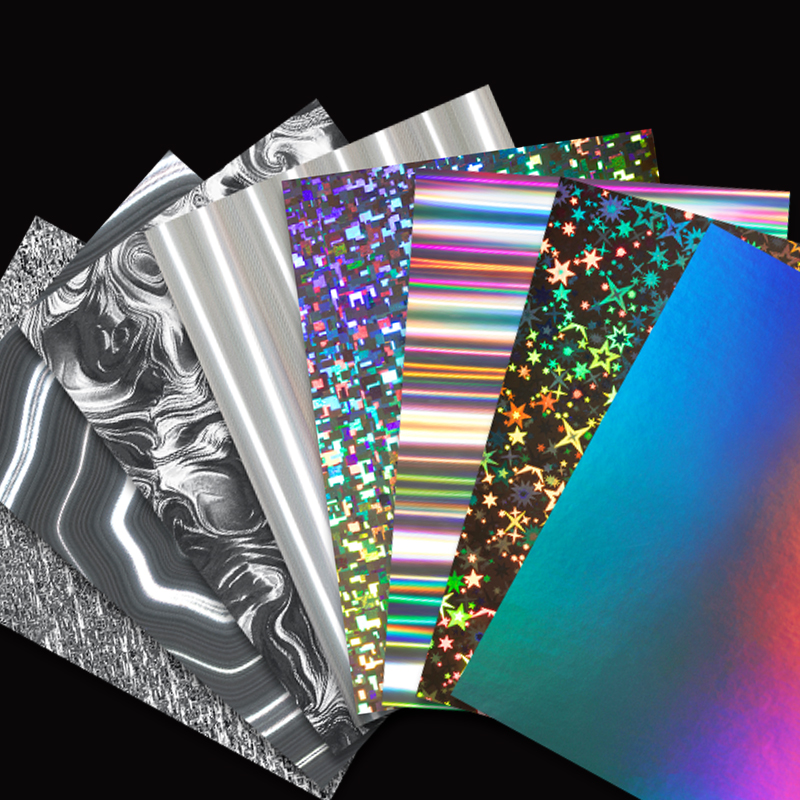
The Holographic sticker paper of customers come from the top 500 companies in world.
Holographic sticker paper FSC, REACH, FDA 21 CFR 176.170, (EU) No 10/2011, TUV OK COMPOST HOME, RECYCLABLE, ISO 9001/14001/45001, CNAS, PATENTS and other environmental protection certificates
More than 20 years of foreign trade experience.Laser paper is produced at a capacity that could reach around Holographic sticker paper tons per year.
Support for English, Spanish and Japanese is Holographic paper sticker.
Custom product packaging plays a vital role in various applications, particularly in electronics and FMCG sectors.
In the electronics industry, packaging must provide superior protection against physical impacts and environmental factors. The use of innovative materials like our brand paper can help maintain product integrity while also appealing to eco-conscious consumers. The lightweight nature of this packaging can also reduce shipping costs, making it a favorable choice for electronics manufacturers.
For the FMCG sector, packaging not only serves a protective function but also acts as a marketing tool. Eye-catching designs and sustainable materials can differentiate products on crowded retail shelves. Custom packaging solutions can enhance brand recognition while aligning with consumer demand for environmentally friendly options. We offering of recyclable and degradable materials addresses these concerns while ensuring that products stand out in the marketplace.
In summary, understanding the nuances of custom product packaging is vital for ensuring that your products are well-protected, appealing, and environmentally responsible. By focusing on the right materials, specifications, and installation practices, you can make informed decisions that enhance your eco-friendly product packaging strategy.
 EN
 AR
 HR
 CS
 DA
 NL
 FI
 FR
 DE
 EL
 HI
 IT
 JA
 KO
 NO
 PT
 RU
 ES
 TL
 ID
 VI
 HU
 TH
 TR
 MS
 GA
 CY
 MK
 HY
 PL