Custom food boxes are specialized packaging solutions designed to meet the unique needs of the food industry. These boxes not only protect food products during transportation and storage but also play a critical role in branding and customer experience. For B2B buyers, selecting the right custom food boxes involves various considerations, including material suitability, design, and compliance with food safety regulations. This article will guide you through the essential aspects of choosing custom food boxes that align with your business requirements and industry standards
Shunho provides custom packaging solutions using paper-based materials for different product and branding requirements. When evaluating custom food boxes from Shunho, B2B buyers can consider factors such as material composition, food-contact suitability, box dimensions, structural strength, moisture resistance, printing quality, surface finishing, closure design, customization options, sustainability requirements, production capacity, quality control, packaging, minimum order quantities, lead times, and supplier support to determine whether the packaging meets specific food packaging, transportation, storage, and branding requirements.
When selecting custom food boxes, you must first assess the specific requirements of your food products. Consider factors such as the type of food being packaged (fresh, frozen, dry, or liquid), the expected shelf life, and storage conditions. For example, perishable items may require packaging with superior moisture barriers, while frozen foods may need boxes that can withstand lower temperatures without compromising structural integrity
Additionally, think about your branding needs. Customization options such as printing, color schemes, and food box paper shapes can enhance your product's shelf appeal and communicate your brand message effectively. When discussing your requirements with suppliers, be clear about the volume you need, any design specifications, and your timeline
Lastly, consider sustainability. With increasing consumer demand for eco-friendly products, selecting biodegradable or recyclable materials, like the plastic-free TransMet paper offered by Shunho Creative, can improve your brand perception and appeal to environmentally conscious consumers.
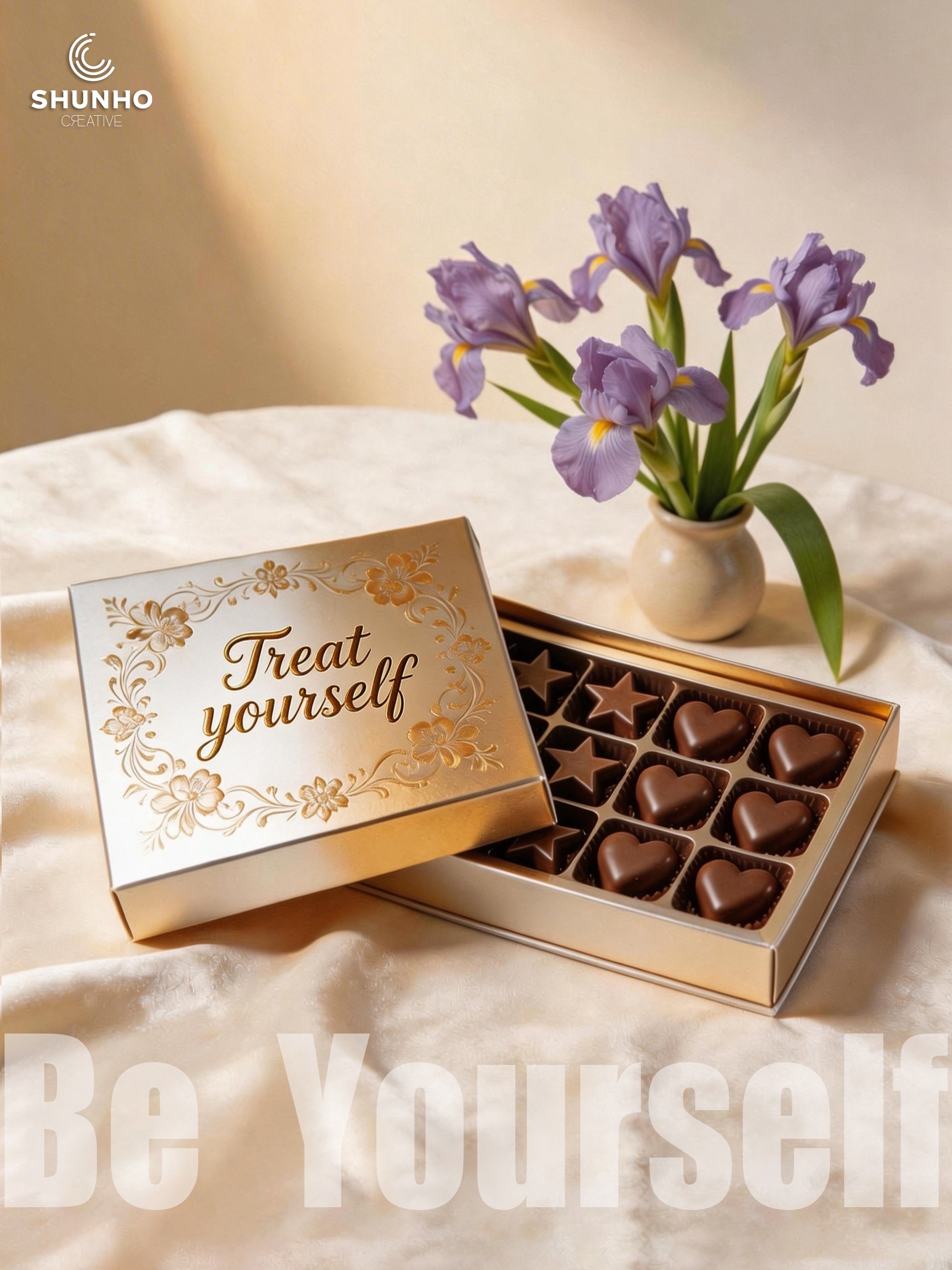
Several key specifications should be evaluated when selecting custom food boxes:
Material: The choice of material affects the box's strength, barrier properties, and environmental impact. Options include cardboard, plastic, and innovative materials like TransMet paper, which offers excellent moisture resistance and is fully recyclable
Dimensions: Accurate dimensions are crucial. Boxes that are too large may lead to product damage during transit, while those that are too small can compromise the integrity of the packaging. It's essential to provide your supplier with detailed measurements and any relevant tolerances
Closure Methods: Ensure the closure method (for example, tuck flaps, adhesive seals, or locking tabs) is suitable for the food being packaged. A secure closure not only preserves product freshness but also enhances the Unboxing experience for customers
Printing and Design: Custom printing options can help communicate important information, such as ingredients and storage instructions, while also reinforcing brand identity. Discuss the printing capabilities of your supplier to explore design possibilities
Compliance and Safety Standards: Ensure that the packaging meets relevant food safety regulations, including material safety and hygiene standards. This is particularly important for food products that have direct contact with packaging materials.
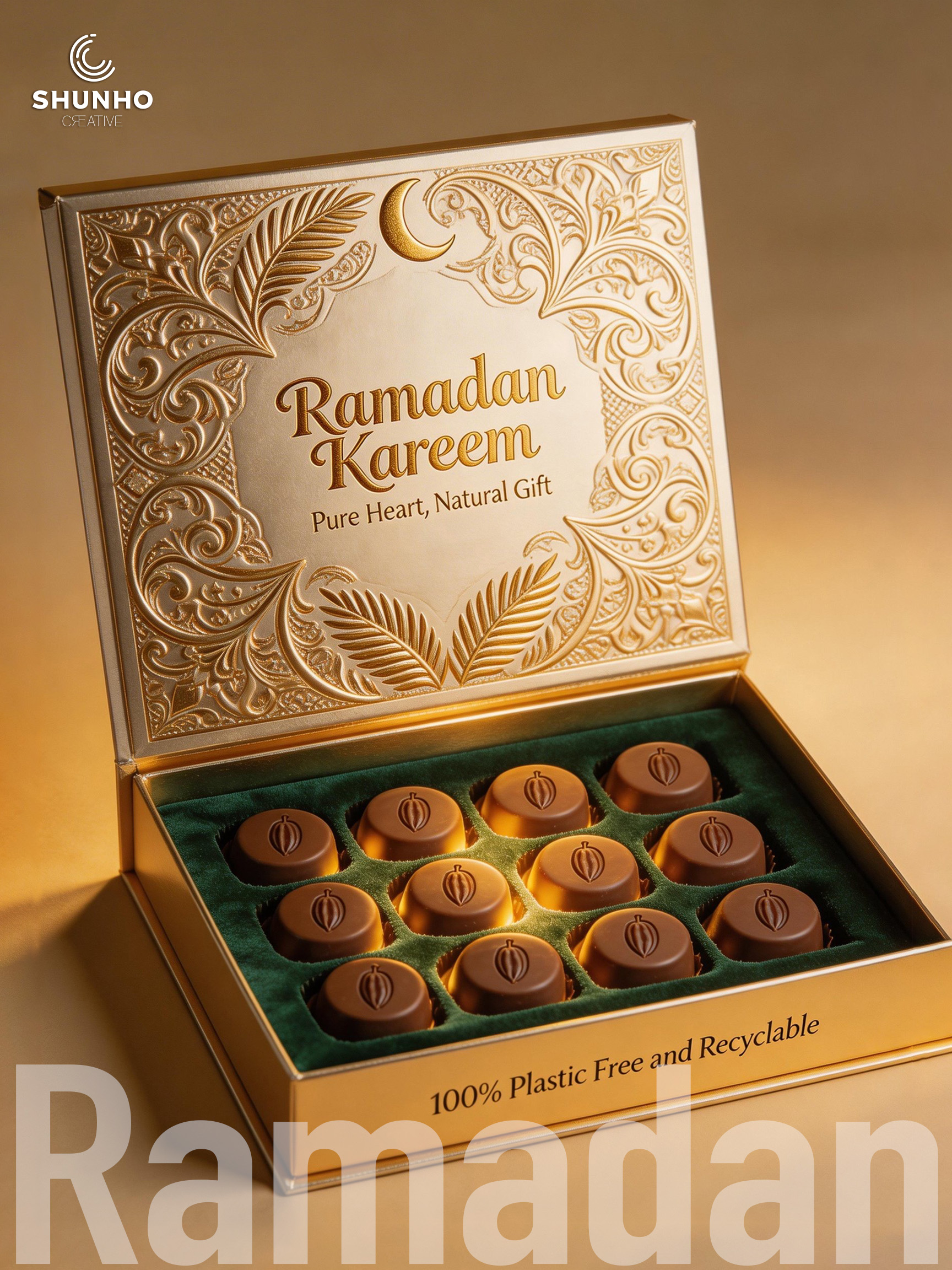
When evaluating potential suppliers for custom boxes and packaging, look for the following attributes:
Experience and Expertise: Choose a supplier with a proven track record in producing food-safe packaging. Their understanding of industry standards and regulations can be invaluable in ensuring compliance
Customization Capabilities: Ensure the supplier can meet your specific design requirements. This includes flexibility in order quantities, materials, and printing options
Production Capacity and Lead Times: Assess the manufacturer’s production capabilities to ensure they can handle your order volume within your desired timeline. Discuss lead times upfront to avoid delays in product launches
Quality Control Processes: Inquire about the supplier's quality assurance practices. A reliable manufacturer should have stringent quality control measures in place to prevent defects and ensure consistency in every batch
Customer Support: Strong communication and support throughout the ordering process, from initial inquiry to final delivery, can make a significant difference in your experience.
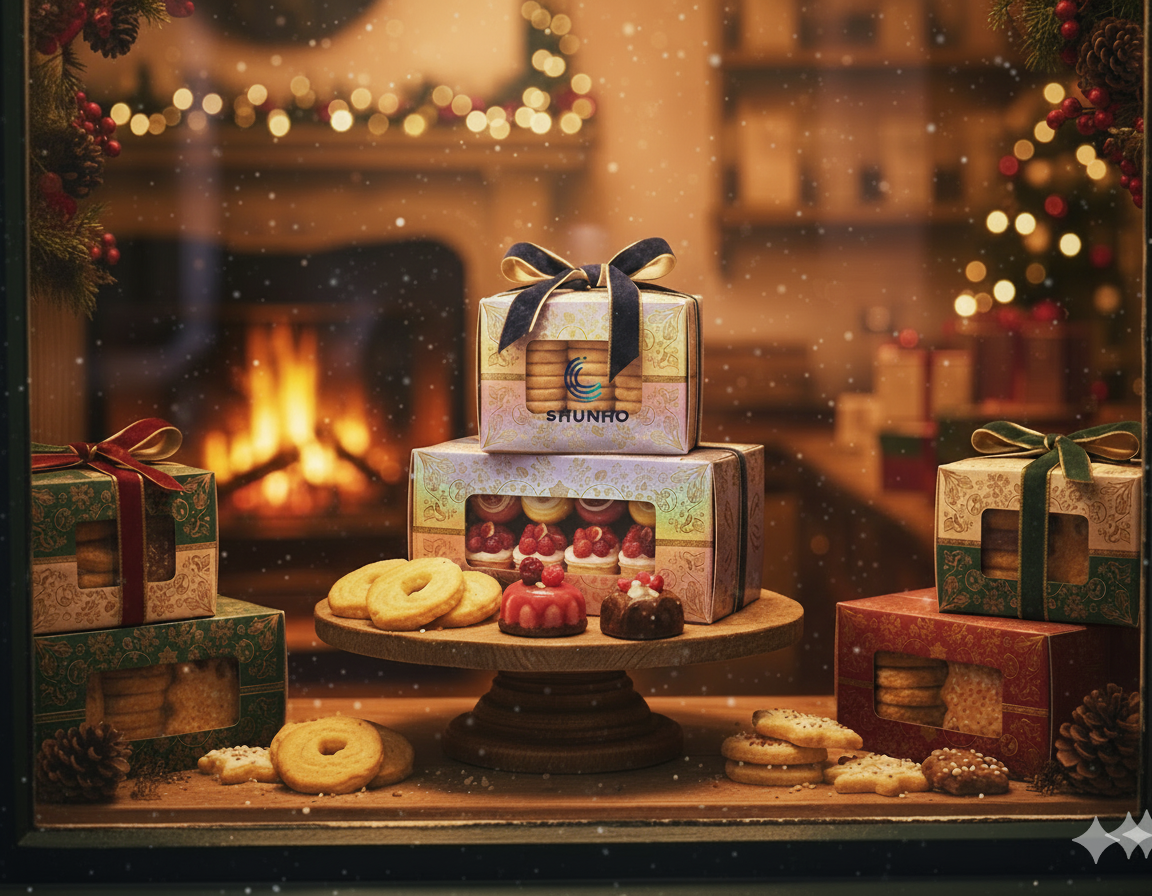
While custom food boxes are designed to meet specific needs, several common issues can arise:
Inadequate Protection: If the packaging does not adequately protect the contents, it can lead to damage during transport. To mitigate this risk, evaluate the material's strength and ensure proper sealing methods are employed
Poor Fit: Boxes that are not designed to fit the product properly can result in shifting and damage. Work closely with your supplier to provide accurate measurements and request prototypes or samples for testing
Environmental Concerns: As consumer preferences shift towards sustainable products, traditional packaging materials may not meet market demands. Consider eco-friendly alternatives, like Shunho Creative’s TransMet paper, which provides a sustainable option without sacrificing performance
Regulatory Compliance Issues: Non-compliance with food safety regulations can lead to significant setbacks. Collaborate with your supplier to verify that materials and designs meet all necessary regulations
Supply Chain Disruptions: Fluctuations in supply chain logistics can impact delivery timelines. Planning and establishing a relationship with your supplier can help mitigate these risks.
The Holographic sticker paper of customers come from the top 500 companies in world.
Experiential experience in international trade for more than 20 years.The annual capacity of laser-printed paper can Holographic check paper 200 tons.
With Holographic paper sticker, REACH, FDA 21 CFR 176.170, (EU) No 10/2011, TUV OK COMPOST HOME, RECYCLABLE, ISO 9001/14001/45001, CNAS, PATENTS and other environmental protection certificates
Holographic paper for English, Spanish and Japanese is available.
Custom food boxes are versatile and find applications across various industries, including:
Food and Beverage: Restaurants and food delivery services utilize custom food boxes to package meals for takeout and delivery, ensuring freshness and quality
Retail: Grocery stores and supermarkets often require custom packaging for fresh produce, baked goods, and frozen items, emphasizing product visibility and brand identity
Catering Services: Catering companies depend on custom food packing boxes to present meals attractively while maintaining food safety and integrity during transportation
Subscription Services: Meal kit and snack box companies can benefit from custom packaging that enhances the Unboxing experience while ensuring product protection
Confectionery: Chocolate and candy manufacturers use custom food boxes to create visually appealing packaging that draws customers in while preserving the quality of their products
Selecting the right custom food boxes involves careful consideration of material, design, and intended application. By understanding your business needs and collaborating with a reputable supplier like Shunho Creative, you can ensure that your packaging not only meets industry standards but also enhances your product's marketability.
 EN
 AR
 HR
 CS
 DA
 NL
 FI
 FR
 DE
 EL
 HI
 IT
 JA
 KO
 NO
 PT
 RU
 ES
 TL
 ID
 VI
 HU
 TH
 TR
 MS
 GA
 CY
 MK
 HY
 PL