Custom cosmetic boxes play a crucial role in the cosmetics industry, serving as both protective packaging and marketing tools for beauty products. As purchasing managers and product managers look for ways to enhance brand visibility and product presentation, understanding the intricacies of these cosmetic packaging becomes essential. This article will delve into the important factors to consider when selecting custom cosmetic boxes for wholesale, common challenges in their use, specifications that ensure quality, applications in the cosmetics sector, and guidance for installation in retail settings.
When selecting custom cosmetic boxes, several key factors should be at the forefront of your decision-making process. First and foremost is the material. Options such as Shunho Creative's eco-friendly TransMet paper, which is plastic-free and fully recyclable, not only align with sustainability goals but also appeal to a growing eco-conscious consumer base.
Secondly, consider the design and dimensions of the boxes. Customization capabilities allow for unique shapes and sizes that can differentiate your products on crowded shelves. Ensure that the dimensions suit the product specifications and that the design complements your brand identity while enhancing user experience.
Another critical element is the printing quality. High-quality graphics and text not only attract consumers but also communicate essential product information. The choice of lamination can add an extra layer of protection and improve the box's aesthetic appeal, making it more likely to catch consumers' eyes.
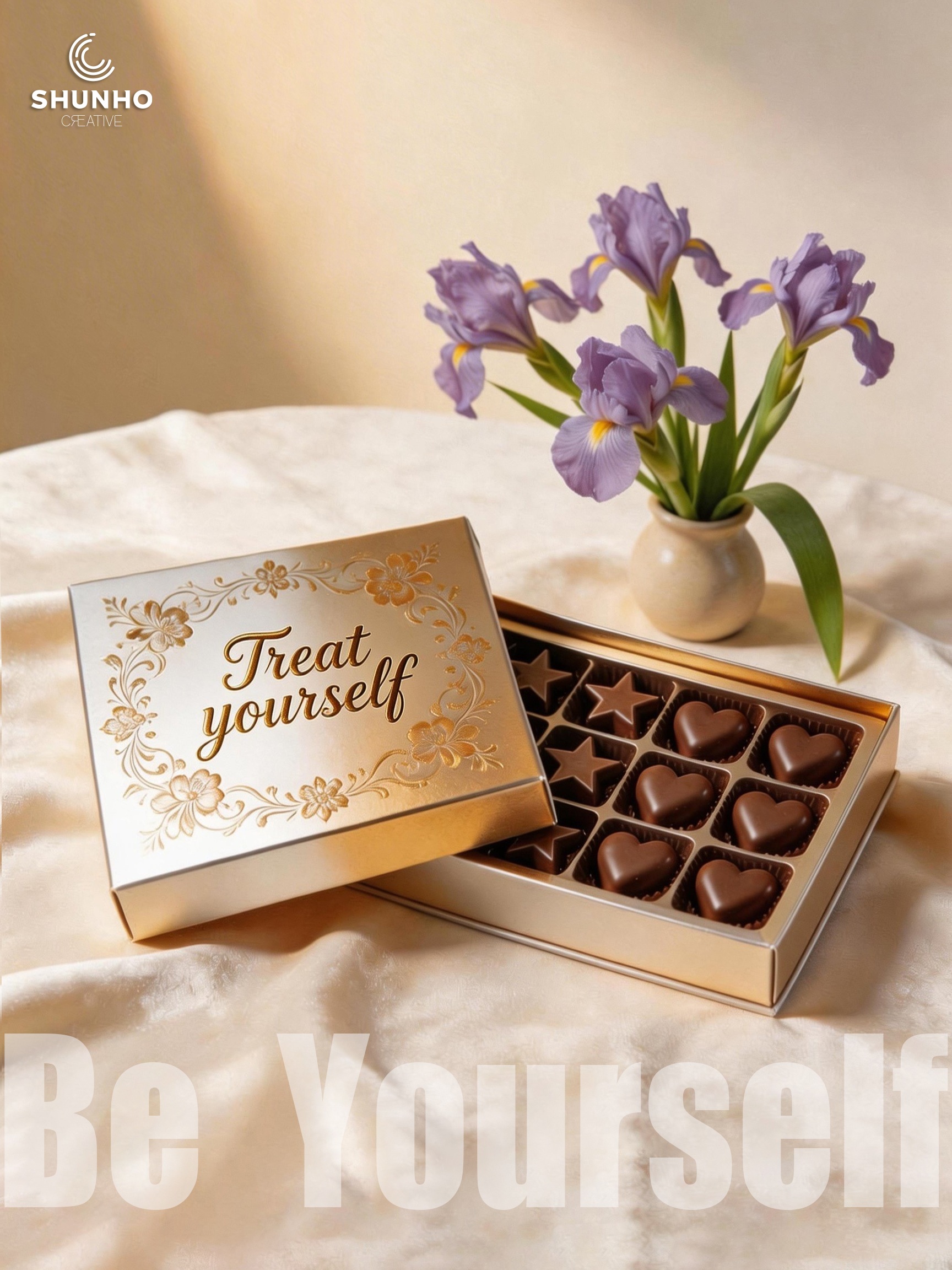
Common issues that arise with custom cosmetic boxes include structural integrity problems and print quality inconsistencies. For instance, boxes that are not adequately designed for their contents may lead to product damage during transport or display. To mitigate this, it’s essential to conduct thorough testing and validation of cosmetic packaging boxes designs before mass production.
Another frequent challenge is the mismatch between the artwork and the final product. Misprints or color discrepancies can undermine brand quality. To avoid this, it is recommended that buyers review prototype samples rather than relying solely on digital proofs. This step ensures that all visual elements meet expectations in terms of color accuracy and print quality.
Lastly, lead times can also pose a problem. To prevent delays, it is advisable to establish clear timelines and maintain open communication with manufacturers throughout the production process.

When evaluating custom cosmetic boxes, several specifications should be prioritized:
Material Thickness: The right thickness is crucial for ensuring durability while maintaining an appealing aesthetic. For instance, a thicker material may better resist creasing and tearing during handling.
Closure Mechanism: The type of closure (tuck-end, magnetic closure, etc.) affects both functionality and user experience. Choose one that suits the product's weight and intended use.
Barrier Properties: For cosmetic products, the barrier properties of the packaging are essential to protect against moisture and light exposure. TransMet paper, for example, offers advanced barrier protection due to its aluminum layer.
Print Quality Standards: Ensure that your manufacturer adheres to specific print quality standards to maintain brand integrity. A high-resolution printing process will yield clearer images and text.
Confirming these specifications with your supplier before placing a bulk order can prevent costly mistakes and ensure that the boxes meet your product requirements.
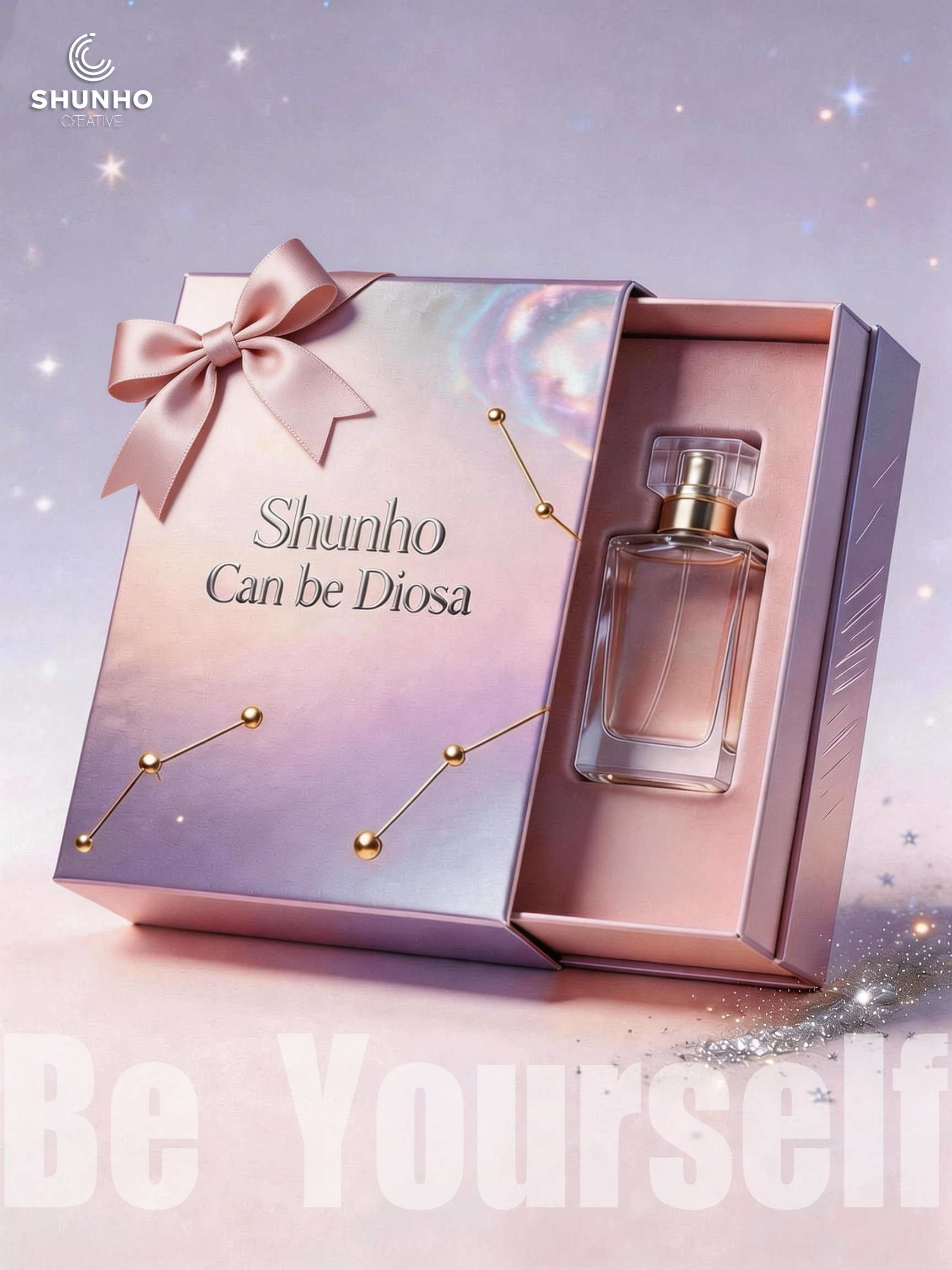
Custom cosmetic boxes serve a variety of applications in the cosmetics industry. They are not only used for packaging individual products but can also be designed for retail displays, promotional kits, and gift sets.
In retail environments, the packaging plays a pivotal role in attracting consumer attention. Eye-catching designs can significantly enhance the customer experience, leading to higher sales. Additionally, custom cosmetic packaging box can be tailored for specific events, such as seasonal promotions or product launches, making them a versatile marketing tool.
Another vital application is in e-commerce. As online shopping continues to grow, ensuring that the packaging protects the product during transit is paramount. Custom cosmetic boxes can be engineered to provide the necessary cushioning and protection, while also presenting an appealing unboxing experience for consumers.
The majority of customers come Holographic paper the leading 500 businesses in the world.
English, Spanish, Japanese, Korean and other languages are supported. Support all Rainbow paper from materials to finished products.
With FSC, Holographic silver paper, FDA 21 CFR 176.170, (EU) No 10/2011, TUV OK COMPOST HOME, RECYCLABLE, ISO 9001/14001/45001, CNAS, PATENTS and other environmental protection certificates
Over Holographic stickers paper years of foreign trade experience.The annual production capacity of laser paper could reach 200,000 tons.
Proper installation of custom cosmetic boxes in retail settings is essential for maximizing their impact. Here are some guidelines to consider:
Display Arrangement: Arrange the boxes to create an inviting display. Group similar products together or create themed displays that resonate with current trends or seasons.
Visibility: Ensure that the boxes are positioned at eye level to catch the attention of shoppers. Using risers or shelves can enhance visibility and draw customers in.
Brand Messaging: Utilize signage that complements the packaging design. Clear messaging about product benefits can further entice potential buyers.
Stock Management: Regularly monitor stock levels to avoid empty spaces on the shelf, which can deter customers. Implement a rotation system to ensure that older stock is sold first.
Following these guidelines not only improves the aesthetic appeal of retail displays but also enhances the overall shopping experience, potentially leading to increased sales.
In summary, understanding the nuances of custom cosmetic boxes can significantly impact the success of your products in the cosmetics industry. From selecting the right materials and designs to addressing common challenges and ensuring effective retail installation, these insights help purchasing managers and product managers make informed decisions that align with their brand goals.
 EN
 AR
 HR
 CS
 DA
 NL
 FI
 FR
 DE
 EL
 HI
 IT
 JA
 KO
 NO
 PT
 RU
 ES
 TL
 ID
 VI
 HU
 TH
 TR
 MS
 GA
 CY
 MK
 HY
 PL
