Custom box solutions are an essential aspect of packaging for businesses across various industries. They not only serve as protective containers for products but also play a crucial role in branding and customer experience. As a buyer, you may have concerns regarding the quality, sustainability, cost, and functionality of these custom boxes. This article will provide insights into evaluating custom box solutions, sourcing eco-friendly options, considering cost factors, installation guidance, and comparing material advantages, specifically tailored to your business needs.
Evaluating the quality of custom box solutions starts with understanding the materials used in manufacturing. High-quality boxes often utilize durable materials such as laminated paper or eco-friendly options like TransMet paper, which is not only robust but also fully recyclable and degradable. Buyers should examine the box's structural integrity, including its strength, resistance to moisture, and overall design.
Another critical quality aspect is the manufacturing process. Factors such as advanced vacuum transfer metalizing technology can enhance barrier properties against moisture and oxygen, which is particularly vital for products in the electronics and cosmetics industries. Before placing a bulk order, requesting samples is advisable. This allows for a comprehensive quality inspection, where buyers can check for dimensional accuracy, surface finish, and performance under actual operating conditions.
Additionally, certifications related to eco-friendliness or quality assurance can serve as indicators of reliability. Ensure that the manufacturer has a robust quality control process in place, typically involving multiple stages of inspection throughout production.
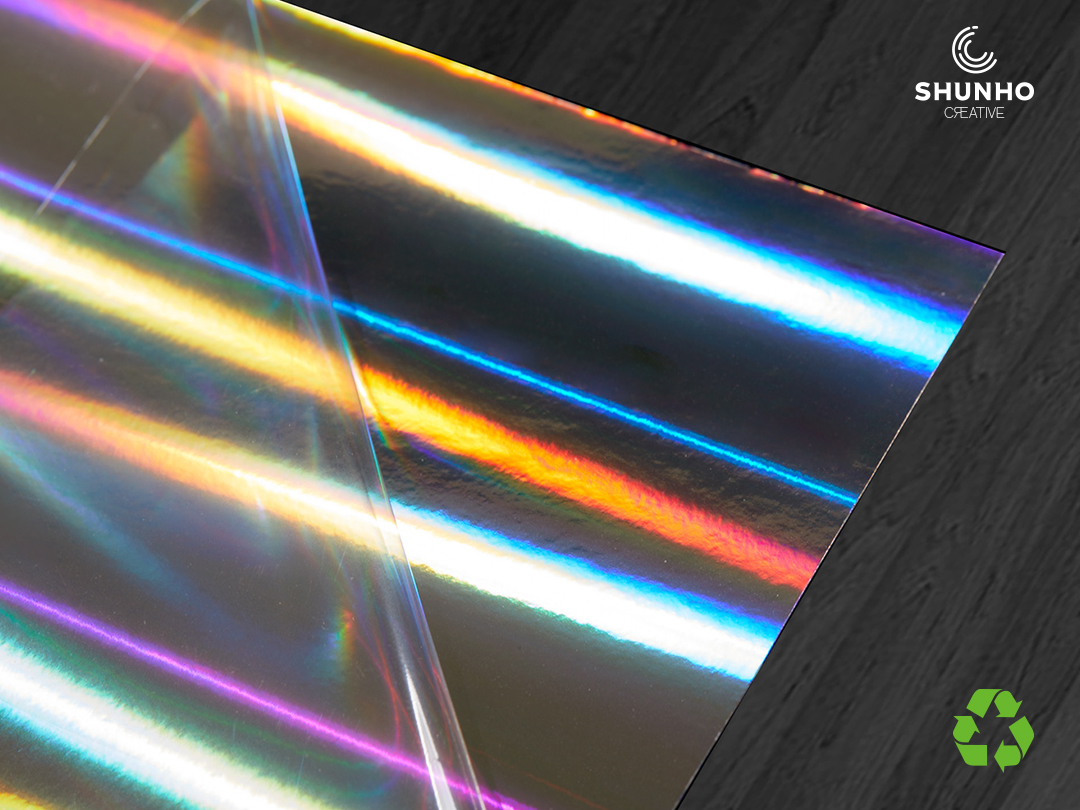
Sourcing eco-friendly custom box solutions for bulk orders involves identifying manufacturers committed to sustainable practices. Start by researching suppliers like Shunho Creative, known for their focus on eco-friendly packaging materials, including their signature plastic-free TransMet® Inspire paper.
When evaluating potential suppliers, consider their production capacity and ability to meet your specific order volume without compromising quality. It’s also important to discuss the minimum order quantities (MOQ) they can accommodate, as this can vary significantly among manufacturers.
Trade shows, industry expos, and online marketplaces dedicated to sustainable packaging are excellent venues for discovering potential suppliers. Engaging in direct discussions with manufacturers can also yield insights into their sustainability initiatives, such as the use of recycled materials and environmentally friendly production processes.
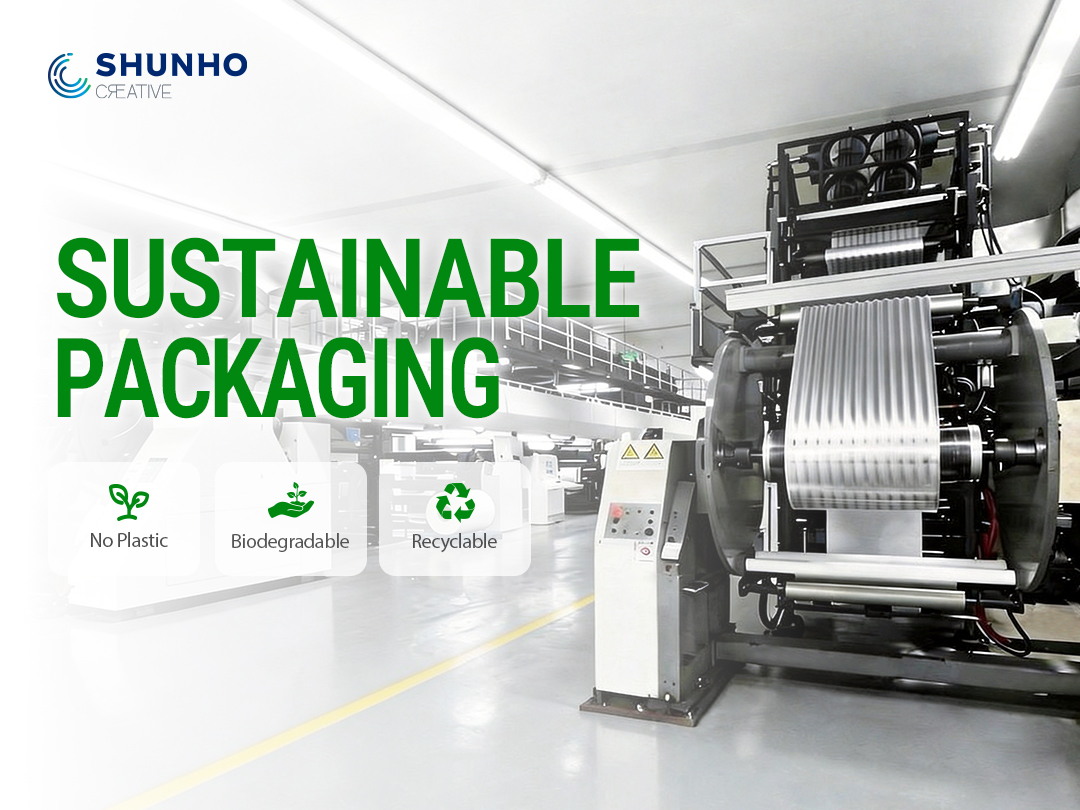
Understanding the cost factors associated with purchasing custom box solutions is crucial for budgeting and financial planning. Several elements contribute to the overall cost, including the choice of materials, manufacturing complexity, and customization options. For instance, while TransMet® Lens paper may incur a higher initial cost due to its advanced production technology, its recyclable and degradable properties can lead to long-term savings and positive brand perception.
Another significant cost factor is the quantity ordered. Bulk orders generally lead to lower per-unit costs, so aligning your order size with your projected demand can optimize expenditures. Buyers should also consider the impact of shipping costs, especially for international orders. These can vary based on the weight and volume of the boxes, as well as the delivery destination.
Lastly, it’s essential to factor in potential hidden costs, such as those related to setup fees for custom designs or charges for expedited production timelines. Clear communication with the manufacturer about all potential costs upfront can help avoid surprises later.
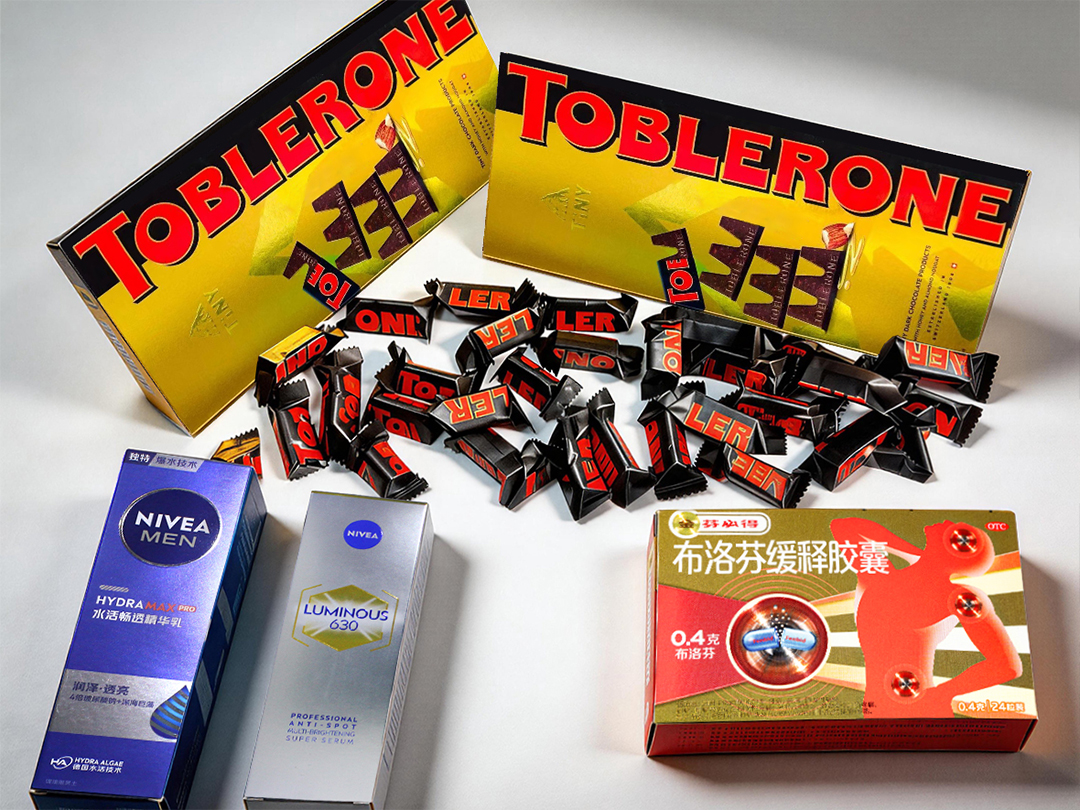
When it comes to installing custom box solutions, proper handling and setup are paramount to ensure efficiency and protect the integrity of the packaging. Start by assessing the dimensions and weight capacities of the boxes to confirm they are suitable for your products. This is particularly important for heavier items, where structural integrity must be guaranteed to prevent damage during transit.
If the boxes require assembly, ensure that your team is trained in the correct procedures to avoid misalignment or damage. For certain applications, it may be beneficial to conduct a trial run using a small batch of boxes to identify any potential issues during the installation phase.
Moreover, consider the environment where the boxes will be stored and utilized. Factors such as temperature, humidity, and exposure to light can affect the performance of the packaging materials. For instance, laminated paper may offer better moisture resistance, making it more suitable for humid environments.
Holographic sticker paper FSC, REACH, FDA 21 CFR 176.170, (EU) No 10/2011, TUV OK COMPOST HOME, RECYCLABLE, ISO 9001/14001/45001, CNAS, PATENTS and other environmental protection certificates
English, Spanish, Sticker paper holographic, Korean and other languages are supported. Support total solutions from the raw materials to the final product.
The majority of customers come Holographic stickers paper the leading 500 businesses in the world.
Over 20 years of foreign trade experience.The Rainbow paper production capacity of laser paper could up to 200,000 tons.
When selecting custom box solutions, understanding the advantages of different materials is essential for making informed purchasing decisions. Materials such as laminated paper offer enhanced durability and moisture resistance, making them ideal for products that require extra protection during shipping.
In contrast, eco-friendly options like TransMet® Holographic paper provide a sustainable solution without sacrificing performance. With a 30nm aluminum layer, this material offers high barrier properties while being completely recyclable and degradable, catering to businesses looking to minimize their environmental impact.
Buyers should also consider the specific application requirements when comparing materials. For example, products exposed to chemicals or extreme temperatures may necessitate packaging with specialized coatings or treatments to maintain integrity.
Additionally, the aesthetic appeal of the packaging can influence consumer perception. Materials that can be printed on or finished with unique textures may enhance branding efforts and improve the overall product presentation.
effectively evaluating and sourcing custom box solutions requires a keen understanding of material properties, quality assurance processes, cost considerations, installation protocols, and application-specific advantages. By focusing on these factors, B2B buyers can make informed decisions that align with their operational needs and sustainability goals.
 EN
 AR
 HR
 CS
 DA
 NL
 FI
 FR
 DE
 EL
 HI
 IT
 JA
 KO
 NO
 PT
 RU
 ES
 TL
 ID
 VI
 HU
 TH
 TR
 MS
 GA
 CY
 MK
 HY
 PL