Choosing the right container for your cosmetic products is crucial in ensuring product integrity, brand image, and customer satisfaction. In the competitive beauty industry, a well-crafted cosmetic container not only protects the product but also enhances its appeal on the shelf. This article will delve into the essential aspects of selecting the ideal container for cosmetic products, focusing on eco-friendly options like Shunho Creative's innovative packaging solutions, including the plastic-free TransHolo® Paper / Paperboard. We'll explore buyer concerns such as material quality, production capabilities, and specifications to help you make informed purchasing decisions.
When selecting containers for cosmetic products, several factors come into play, including product compatibility, aesthetic appeal, sustainability, and cost. The ideal container will protect the product from environmental factors while maintaining its integrity and enhancing its visual presentation.
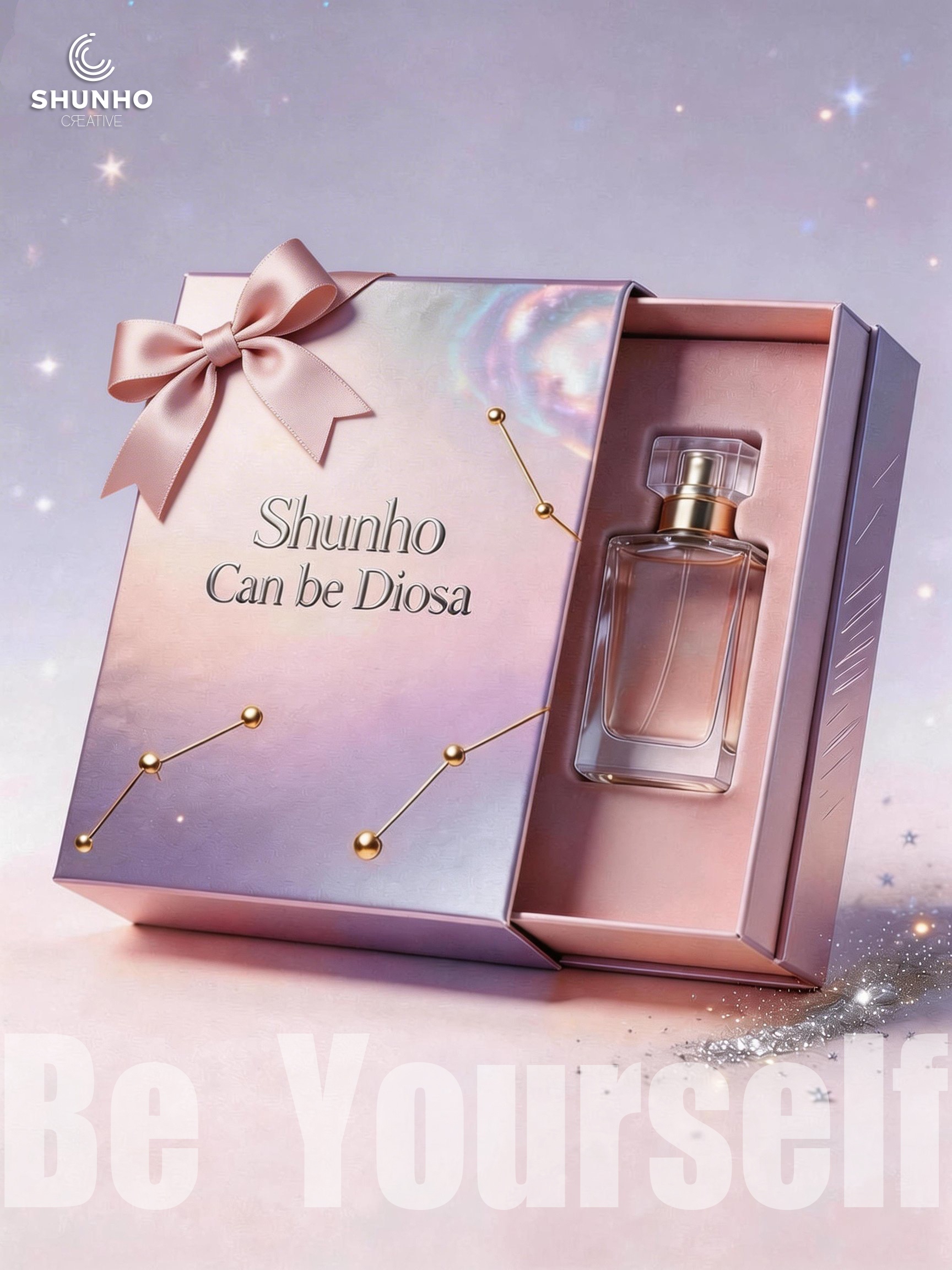
Eco-friendly options like Shunho Creative’s TransHolo® Paper / Paperboard offer a sustainable alternative without compromising on quality. With advanced vacuum transfer metalizing technology, TransMet paper provides an effective barrier against moisture and oxygen, which is essential for preserving the quality of cosmetic formulations.
Buyers should also consider the type of cosmetic product being packaged. Creams, liquids, and powders may require different container shapes and closure mechanisms. Additionally, the container's design should align with the brand's identity to resonate with target consumers.

The quality of materials used in cosmetic containers directly impacts product safety and shelf life. Here are essential aspects to consider when evaluating materials:
Barrier Properties: The material must provide adequate protection against moisture, light, and oxygen. For instance, TransMet paper’s aluminum layer offers exceptional barrier properties while remaining fully recyclable and degradable.TransMet® Silver & Gold Paper / Paperboard is another great option to consider.
Chemical Compatibility: Ensure the material is compatible with the cosmetic formulation to prevent reactions that could alter the product's effectiveness. For example, certain plastics may leach chemicals into formulations, which can be detrimental to both safety and performance.
Durability and Strength: The container should withstand transportation and handling without compromising its structural integrity. Testing for impact resistance and tensile strength can help evaluate this aspect.
Recyclability: With growing consumer demand for sustainable packaging, choosing recyclable materials is vital. Verify that the chosen material meets recycling standards and is recognized by relevant certifications.
Aesthetic Appeal: Finally, the material should allow for high-quality printing and finishing techniques to enhance branding and consumer attraction.
For businesses looking to scale their production, bulk ordering cosmetic packaging solutions can lead to significant cost savings and consistency in quality. When placing bulk orders, consider the following:
Minimum Order Quantities (MOQ)</strong>: Understand the supplier's MOQ requirements. Shunho Creative, for example, can accommodate various order sizes, which can be beneficial for businesses of different scales.
Lead Times: Discuss production timelines upfront to ensure that your supply chain runs smoothly. Factors like order size and customization requests can affect lead times.
Customization Options: Many suppliers offer customization in terms of size, color, and design. It’s essential to provide clear specifications and artwork to avoid delays during the production process.
Quality Assurance: Establish quality control measures, such as pre-production samples and inspection protocols to ensure that the bulk order meets your standards before mass production.
When evaluating cosmetic containers, specific technical specifications are crucial for ensuring optimal performance:</p>
Dimensions: The container’s size should align with the product volume and desired user experience. Consider how the dimensions will affect filling processes and consumer handling.
Sealing Mechanisms: Different sealing methods, such as screw tops, pumps, or flip caps, can affect product usability and preservation. Choose a closure that complements the product and ensures a tight seal to prevent contamination.
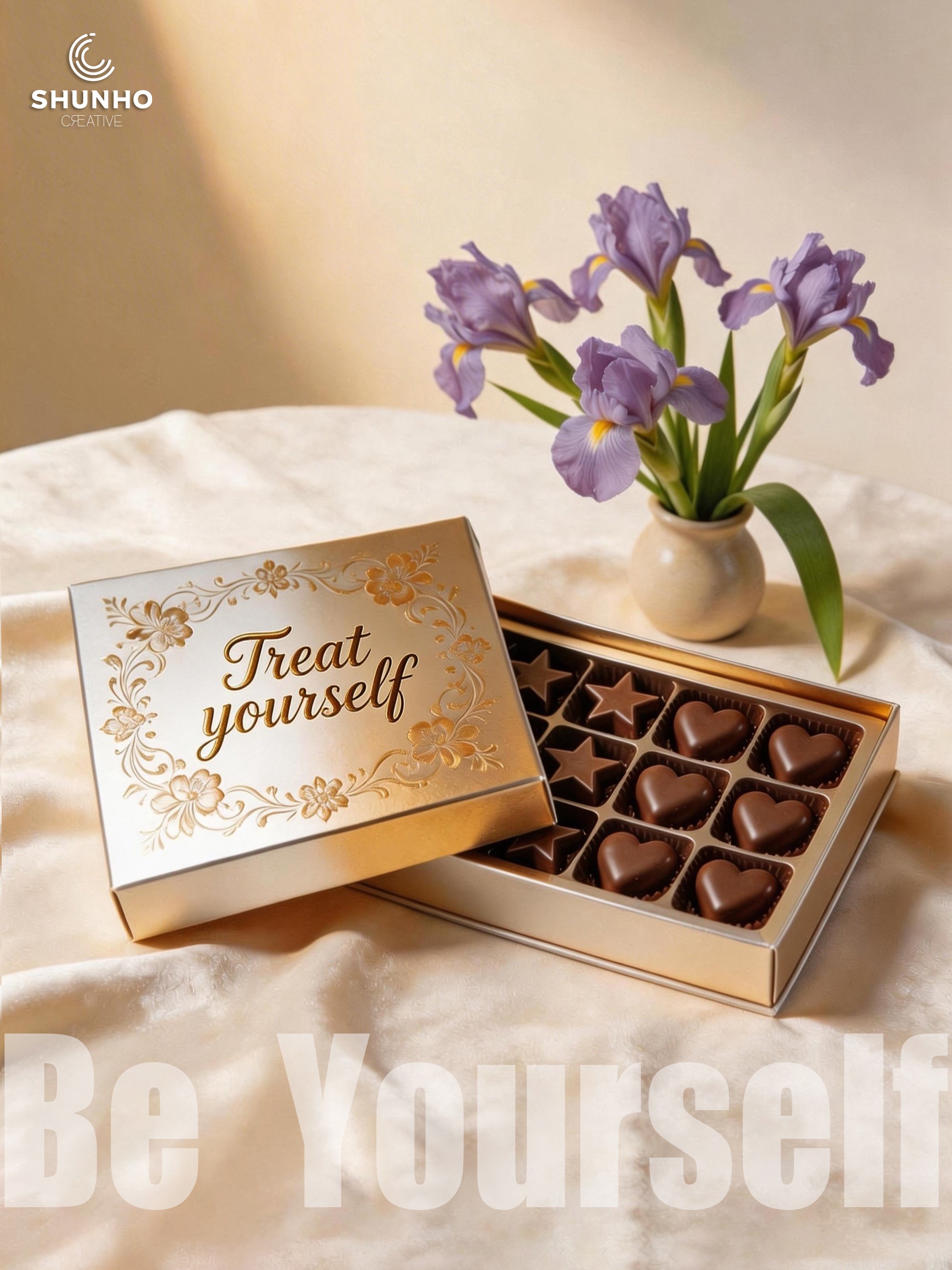
Surface Treatments: Surface finishes such as matte, gloss, or embossed textures can enhance aesthetics and grip. Consider how these treatments can improve the overall user experience while aligning with branding efforts.
Weight: The weight of the container can impact shipping costs and consumer perception. Lightweight materials can reduce shipping expenses but must still provide sufficient protection.
Testing Standards: Ensure that the containers meet industry standards for safety and performance, especially if the product is intended for sensitive skin or has specific regulatory requirements.
With FSC, REACH, FDA 21 CFR 176.170, (EU) No 10/2011, TUV OK COMPOST HOME, Holographic stickers paper, ISO 9001/14001/45001, CNAS, PATENTS and other environmental protection certificates
Most Rainbow paper the customers come from the world's best 500 companies
Holographic silver paper, Spanish, Japanese, Korean and other languages are supported. Support the complete solution from the raw materials to the final product.
Sticker paper holographic 20 years of foreign trade experience.Laser paper is produced at a capacity that can reach around 200,000 tons annually.
Installing eco-friendly cosmetic packaging solutions requires careful consideration to maintain product integrity and brand aesthetics. Here are some guidelines:</p>
Handling: Use appropriate handling techniques to avoid damaging the containers during installation or filling processes. This is particularly important for materials like TransMet paper, which, while durable, should still be treated with care.
Filling Process: Ensure that the filling equipment is compatible with the chosen container material. Some materials may require specific machinery for efficient filling without compromising the integrity of the product.
Labeling: Proper labeling is essential for brand recognition and compliance. Make sure the labels are applied correctly, considering factors like placement and adhesion, which can affect shelf presence.
Storage Conditions: Store the containers in a controlled environment to prevent any degradation of materials before use. Ideal storage conditions can vary based on the material properties and should be verified with the supplier.
By understanding these aspects of cosmetic containers—from material quality to installation guidelines—buyers can confidently select the right packaging solutions that meet their product and brand needs. Utilizing eco-friendly options not only benefits the environment but also aligns with increasing consumer demand for sustainable products.
 EN
 AR
 HR
 CS
 DA
 NL
 FI
 FR
 DE
 EL
 HI
 IT
 JA
 KO
 NO
 PT
 RU
 ES
 TL
 ID
 VI
 HU
 TH
 TR
 MS
 GA
 CY
 MK
 HY
 PL
