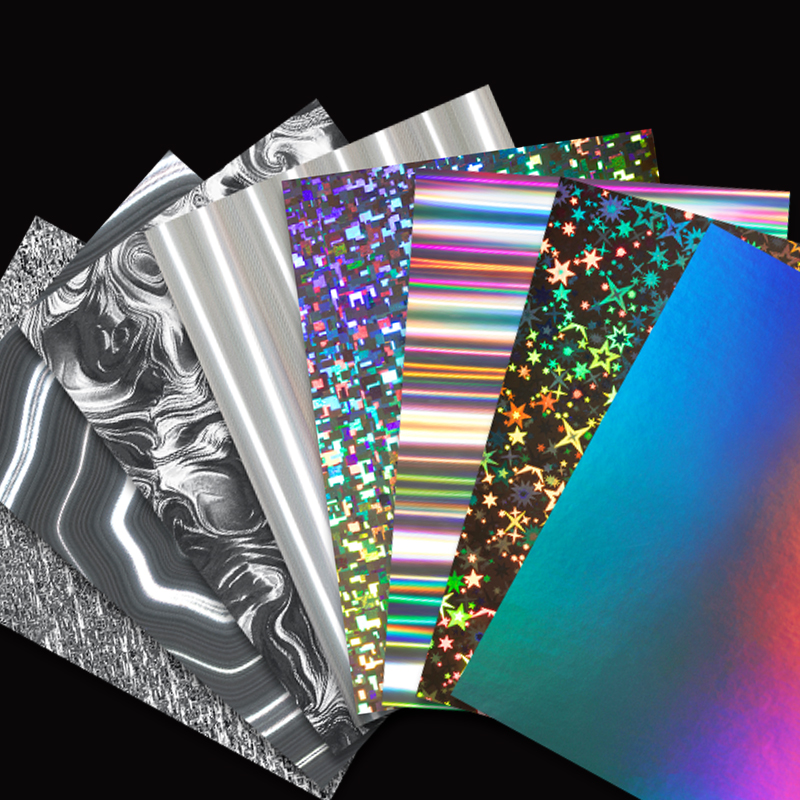
Biodegradable gift wrap is an eco-friendly alternative to traditional wrapping materials, designed to decompose naturally without harming the environment. For B2B buyers, such as purchasing managers and distributors, choosing the right biodegradable gift wrap involves understanding material specifications, application suitability, and quality assurance processes. This article will address key considerations for selecting biodegradable gift wrap, explore its applications across various industries, evaluate quality factors, discuss sourcing strategies, and outline the benefits of incorporating this sustainable option into packaging solutions.
When selecting biodegradable gift wrap for wholesale, several factors should be taken into account:
Material Composition: Understanding the material makeup is crucial. Options vary from paper-based wraps to laminates that include biodegradable elements. The right choice depends on the intended application, aesthetic preferences, and environmental goals.
Durability and Strength: The wrap should maintain its integrity while packaging products. Considerations include thickness, tensile strength, and resistance to tearing. A gift wrap that is too thin may not protect the contents adequately, while one that is too thick can increase costs unnecessarily.
Customization Options: Many manufacturers, including Shunho Creative, offer customization capabilities such as printing and embossing. Custom designs can enhance brand visibility and appeal to customers, so inquire about minimum order quantities (MOQs) and design capabilities during the selection process.
Certifications and Standards: Look for certifications that ensure the biodegradable gift wrap meets environmental and safety standards. paperboard box packaging may include certifications for compostability or recyclability, which can bolster your brand's commitment to sustainability.
Environmental Impact: Assess the life cycle of the product, from production to disposal. Understanding the wrap’s biodegradation process and its effects on the environment will help you make a more informed decision.
By carefully considering these factors, B2B buyers can ensure they choose the right biodegradable gift wrap that aligns with their company's values and customer expectations.
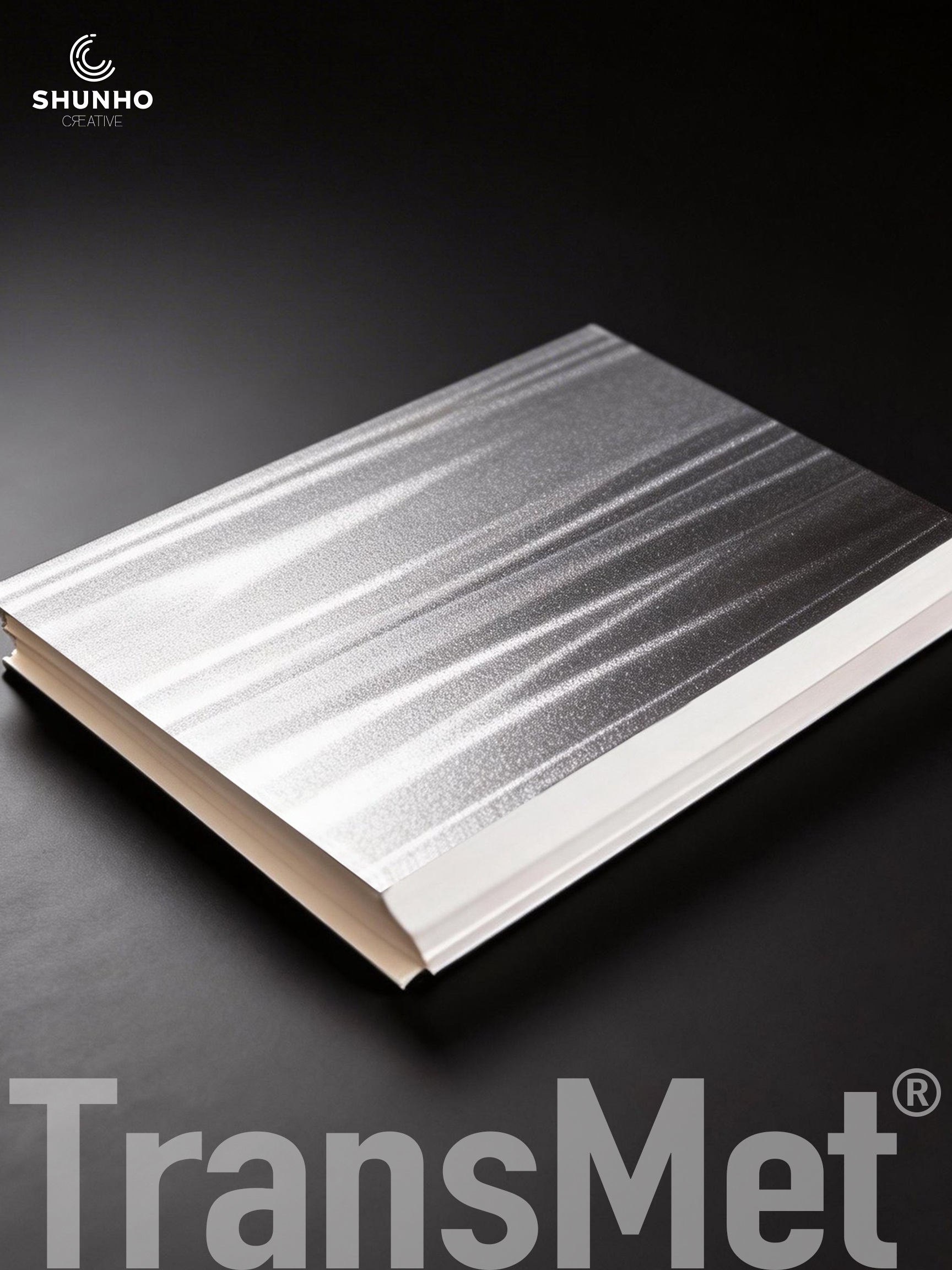
Biodegradable gift wrap is versatile and can be effectively used across multiple industries:
Cosmetics: The cosmetics industry often requires attractive packaging that reflects brand values. Biodegradable gift wrap can be used for packaging gift sets, promotional items, or seasonal offers, appealing to eco-conscious consumers.
Electronics: For electronics packaging, biodegradable wraps can protect products while also providing an environmentally friendly option. Careful selection of materials ensures that the wrap can withstand the rigors of shipping while being sustainable.
Fast-Moving Consumer Goods (FMCG): In FMCG, branding is critical, and biodegradable gift wrap can enhance product presentation. It allows brands to stand out on retail shelves while promoting sustainability, which is increasingly important to consumers.
Event Planning: Many event planners are leaning towards eco-friendly options for gifts and giveaways. Biodegradable gift wrap can be a key component in creating a cohesive, environmentally friendly theme for events.
Retail: Retailers can utilize biodegradable gift wrap to package products, thereby appealing to a growing segment of consumers who prioritize sustainability in their purchasing decisions.
Understanding how biodegradable gift wrap can be applied in these various industries can help businesses tailor their offerings to meet market demands.
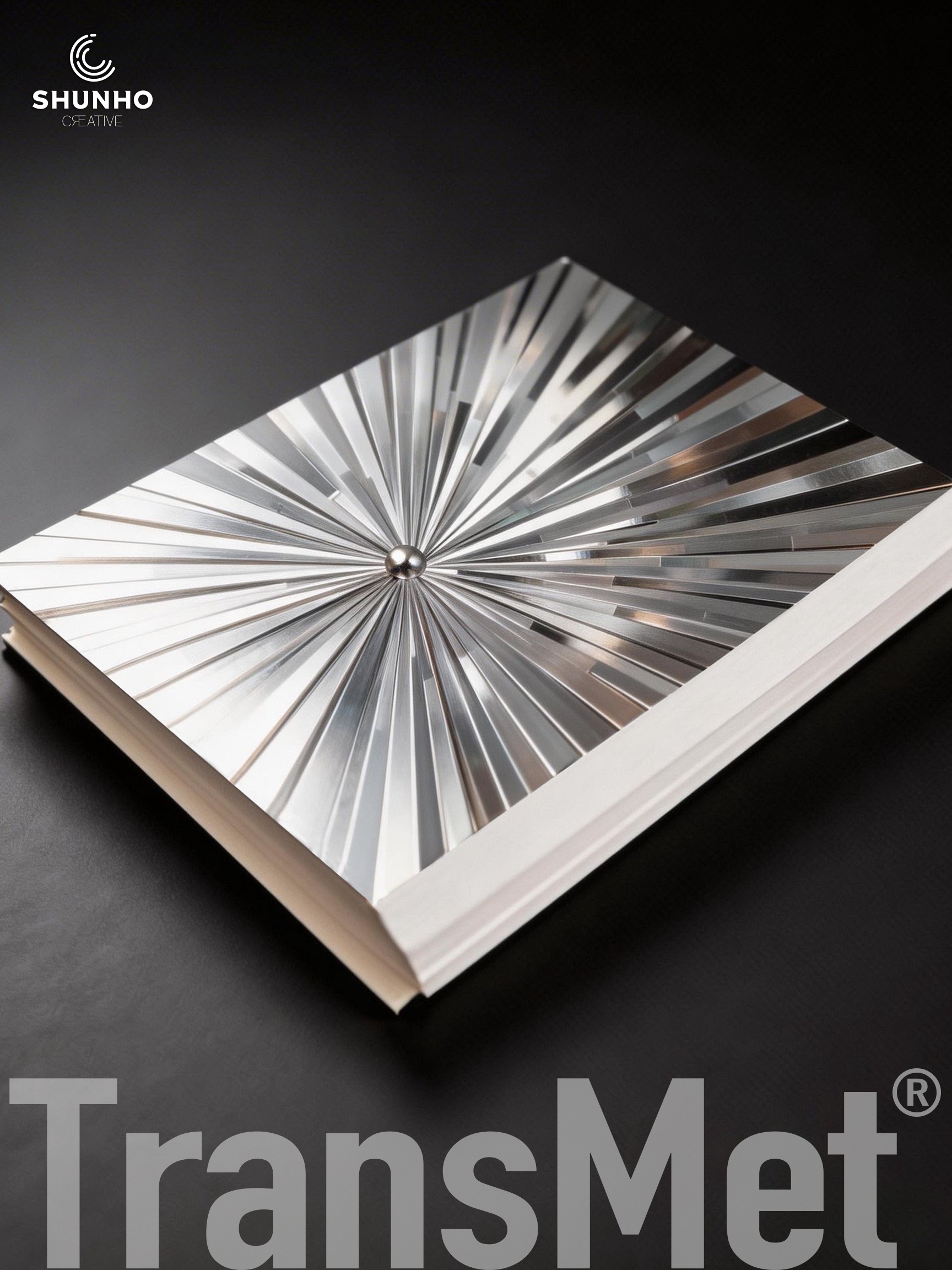
Quality assessment of biodegradable gift wrap is essential to ensure it meets your specific requirements. Here are some critical factors to evaluate:
Performance Testing: Before making a bulk purchase, request samples and conduct performance testing. Check for resistance to moisture, durability under stress, and overall presentation. This testing can help identify any potential issues before mass production.
Supplier Reputation: Research suppliers to understand their manufacturing processes and quality control measures. A reputable supplier like Shunho Creative, known for its advanced manufacturing capabilities, can assure quality and consistency in their products.
Feedback from Previous Clients: If possible, obtain testimonials or case studies from previous clients. transfer paper printing can provide insights into the supplier's reliability and the performance of their biodegradable gift wrap in real-world applications.
Specifications Matching: Ensure that the specifications of the gift wrap align with your packaging needs. This includes checking dimensions, material properties, and any custom requirements you may have.
By thoroughly evaluating these quality factors, buyers can make informed decisions that align with their operational needs and customer expectations.
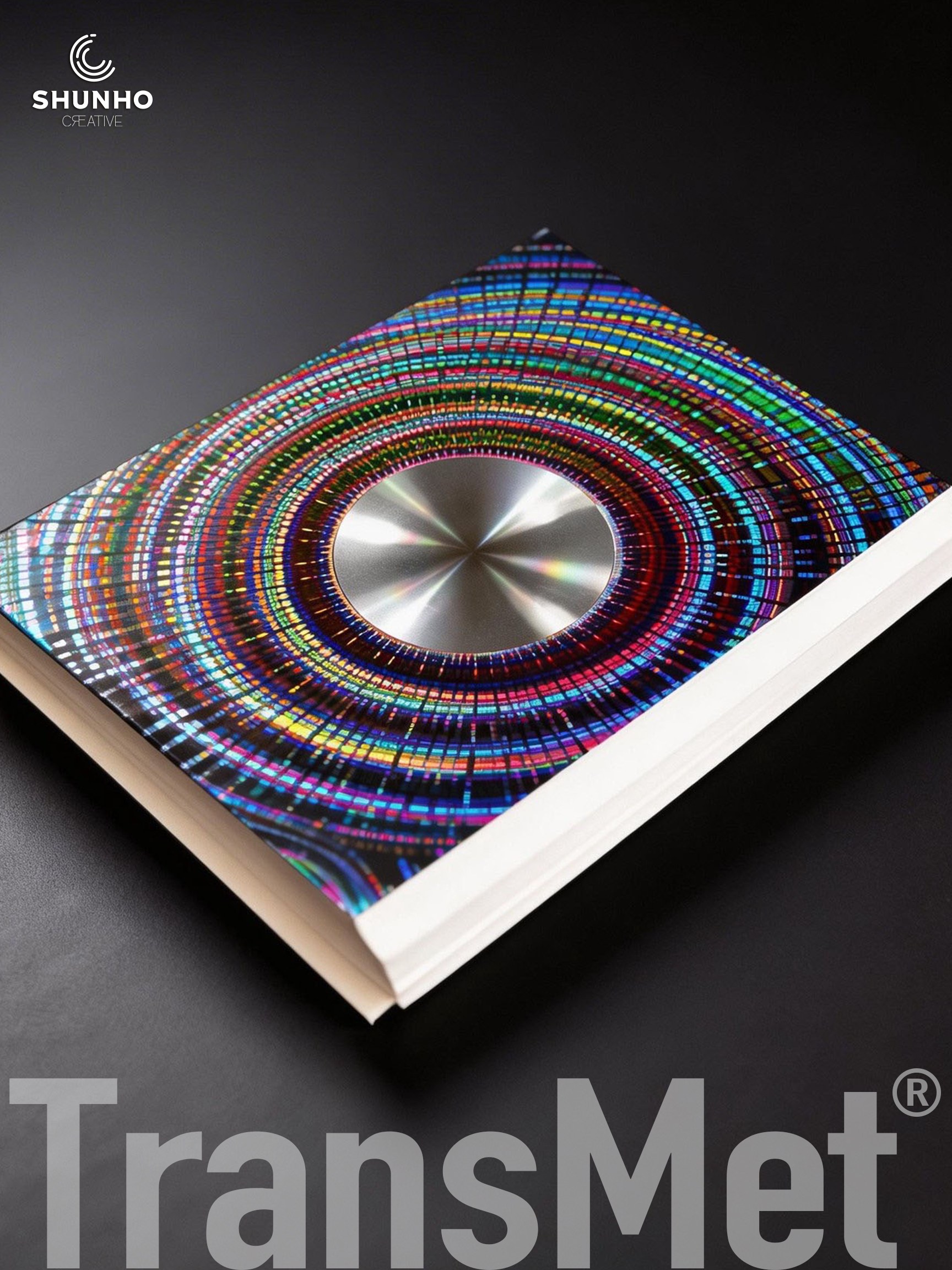
Finding reliable sources for eco-friendly biodegradable gift wrap is crucial for distributors. Here are some strategies:
Industry Trade Shows: Attend trade shows focused on sustainable packaging. This provides an opportunity to meet manufacturers, see their products firsthand, and discuss customization options.
Online Marketplaces: Platforms like Alibaba or specialized packaging websites can connect you with various suppliers. Always check reviews and ratings to gauge supplier reliability.
Direct Manufacturer Engagement: Engaging directly with manufacturers like Shunho Creative can help streamline the sourcing process. metallized label paper allows for better communication regarding customization, pricing, and production timelines.
Networking: Leverage industry connections to find recommended suppliers. Often, word-of-mouth referrals can lead to trustworthy manufacturers who meet your specific needs.
Sustainability Certifications: When vetting suppliers, consider those with verified sustainability certifications. This not only ensures product quality but also aligns with your brand's values.
By using these sourcing strategies, distributors can secure high-quality, biodegradable gift wrap that meets their clients' needs.
Holographic sticker paper FSC, REACH, FDA 21 CFR 176.170, (EU) No 10/2011, TUV OK COMPOST HOME, RECYCLABLE, ISO 9001/14001/45001, CNAS, PATENTS and other environmental protection certificates
Holographic silver paper, Spanish, Japanese, Korean and other languages are supported. Support the complete solution from the raw materials to the final product.
Experiential experience in international trade for more than 20 years.The annual capacity of laser-printed paper can Holographic check paper 200 tons.
Most Sticker paper holographic the customers come from the world's best 500 companies
Incorporating biodegradable gift wrap into your packaging solutions offers numerous benefits:
Environmental Responsibility: Using biodegradable materials demonstrates a commitment to sustainability, which can enhance your brand image and attract eco-conscious consumers.
Market Differentiation: Offering products wrapped in biodegradable materials can set your brand apart from competitors who use traditional packaging. This differentiation can be a key selling point.
Consumer Demand: As consumers become more environmentally aware, demand for eco-friendly packaging continues to rise. By providing biodegradable options, businesses can better meet this demand and potentially increase sales.
Compliance with Regulations: As more countries and regions implement regulations against plastic waste, using biodegradable materials can help businesses stay compliant and avoid potential penalties.
Cost Efficiency Over Time: While the initial cost of biodegradable gift wrap may be higher than traditional options, the long-term benefits, including improved brand loyalty and market share, can outweigh these costs.
Incorporating biodegradable gift wrap into your packaging strategy not only aligns with consumer preferences but also positions your brand as a leader in sustainability.
By understanding the key aspects of biodegradable gift wrap, B2B buyers can make informed decisions that align with their operational and environmental goals. This eco-friendly alternative not only meets consumer demand but also supports broader sustainability initiatives.
 EN
 AR
 HR
 CS
 DA
 NL
 FI
 FR
 DE
 EL
 HI
 IT
 JA
 KO
 NO
 PT
 RU
 ES
 TL
 ID
 VI
 HU
 TH
 TR
 MS
 GA
 CY
 MK
 HY
 PL